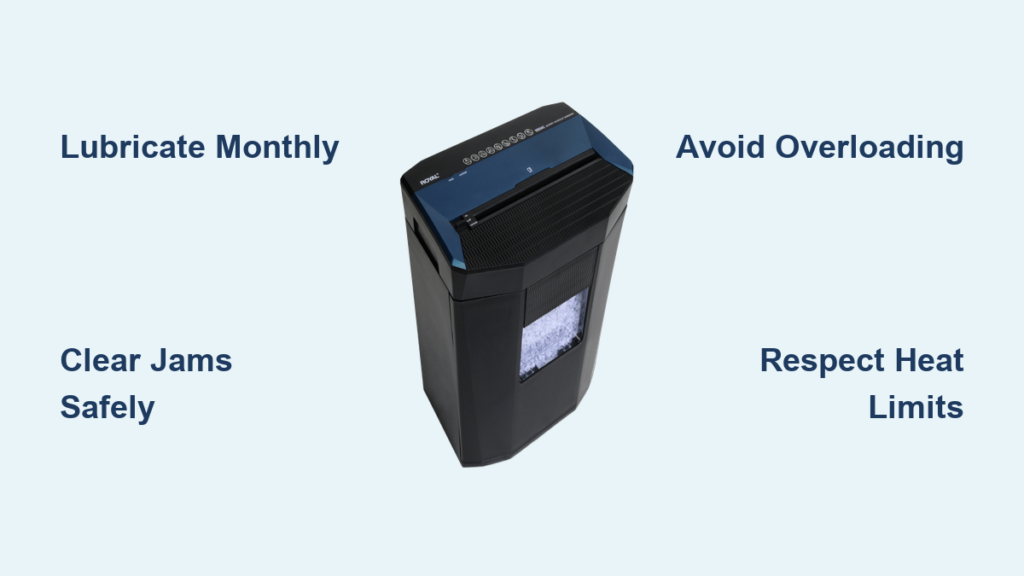
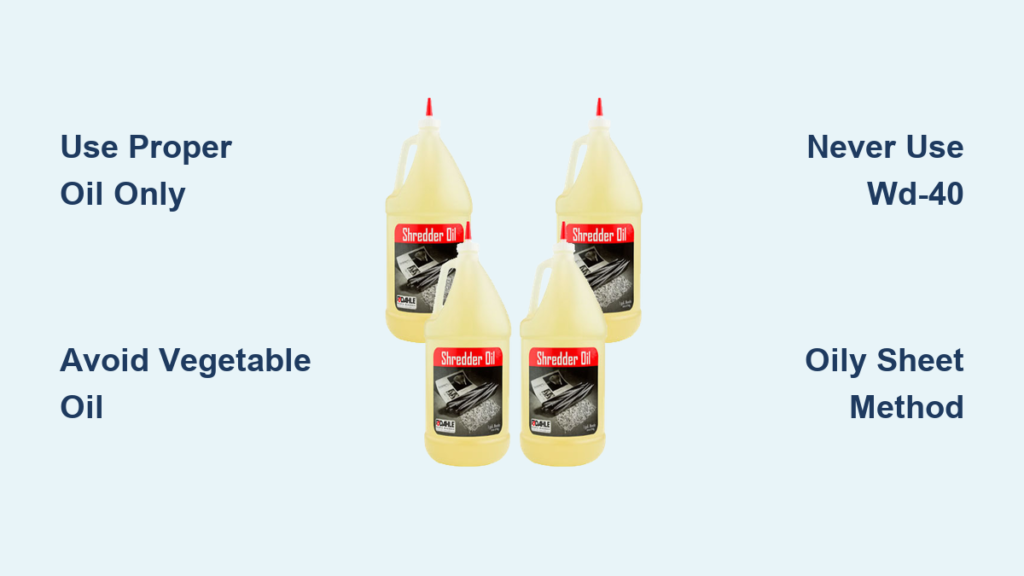
Paper shredders are essential for protecting sensitive information, but they require regular maintenance to function properly. One of the most critical yet misunderstood steps is lubrication. Many users ask: Can I use something else instead of shredder oil? The short answer is that there is no safe or effective long-term substitute for dedicated paper shredder oil.
Using household oils like vegetable oil, baby oil, or WD-40 may seem convenient, but they often lead to gummed-up blades, motor strain, fire hazards, and even permanent damage. This guide breaks down why shredder oil is irreplaceable, analyzes the risks of common substitutes, highlights top-rated lubricants, and provides a foolproof maintenance routine to keep your shredder running smoothly for years.
Why Shredder Oil Is Non-Negotiable

How Lubrication Protects Your Machine
Paper shredders generate intense heat and friction as their blades slice through stacks of paper, staples, and plastic cards. Without proper lubrication, metal components grind against each other, accelerating wear and increasing motor load. Shredder oil forms a high-cling, heat-resistant film that reduces blade friction, prevents paper dust from sticking and forming sludge, dissipates heat to avoid motor burnout, maintains clean precise cuts even at full capacity, and keeps operation quiet and smooth.
Unlike general-purpose lubricants, shredder oil is engineered to stay in place without dripping, resist oxidation, and remain non-flammable even in high-dust environments.
Signs Your Shredder Needs Oil
Waiting until your shredder jams is too late. Watch for these early warning signs: louder-than-usual grinding or whining noise, slower paper feeding or hesitation, incomplete cuts or torn edges, overheating housing, and frequent jams especially with normal paper loads. These symptoms indicate friction buildup, often caused by insufficient or improper lubrication.
Vegetable Oil: A Common but Risky Choice
Why It Seems Like an Option
Vegetable oil is non-flammable and commonly found in kitchens, leading some to believe it is a safe alternative. A few older manuals even recommended it. But modern shredders with tighter blade tolerances and higher speeds cannot handle its chemical instability.
Why It Fails Over Time
Vegetable oils contain unsaturated fats that oxidize and polymerize when exposed to heat and air. Within weeks, the oil turns from liquid into a sticky gummy residue that traps paper dust and metal shavings, clogs blade gaps and gears, increases friction instead of reducing it, and causes chronic jams and motor strain. Once this residue hardens, it is extremely difficult to remove without disassembling the machine.
Final Verdict: Avoid Completely
Despite low fire risk, vegetable oil damages more than it helps. The long-term cost of repairs or replacement far outweighs the price of proper shredder oil.
Baby Oil and Mineral Oil: Too Thin to Work
What Happens When You Use Baby Oil
Baby oil is a lightly fragranced mineral oil with very low viscosity, meaning it is too thin to coat vertical blades effectively. It drips off quickly, leaving blades unprotected after just a few minutes of use.
Problems with Light Mineral Oils
Even unscented mineral oil lacks the cling and thermal stability needed for continuous shredding. It evaporates faster under heat, fails to prevent dust accumulation, and may contain additives that attract grime. While less damaging than vegetable oil, it still provides inadequate protection for cross-cut or micro-cut shredders.
Bottom Line: Not Suitable
These oils might work for light occasional use, but not reliably. For consistent performance, they fall short.
WD-40 and Aerosols: Dangerous to Use
Why WD-40 Is a Fire Hazard
WD-40 is not a lubricant. It is a water-displacing solvent with a highly flammable propellant. When sprayed into a shredder, the mist mixes with fine paper dust, a known combustible. Sparks from motor brushes or metal contact can ignite the mixture, causing a flash fire or small explosion inside the waste bin. Multiple incident reports confirm this risk including injuries from sudden ignition.
Additional Risks
WD-40 evaporates quickly leaving no lasting lubrication, damages plastic gears and housing due to solvents, and attracts dust once the solvent evaporates, creating sludge. No aerosol lubricant, WD-40, PAM, or generic sprays should ever be used in or near a running shredder.
Motor Oil and Sewing Oil: Wrong Viscosity, High Risk
Automotive Oil: Too Thick and Dirty
Motor oil contains detergents and heavy additives designed for engines, not precision cutting blades. It is too thick for fine blade gaps, attracts dust and forms abrasive paste, can stain shredded paper and emit odors, and poses flammability risks due to petroleum base.
Sewing Machine Oil: Not Designed for This Job
While some petroleum-based sewing oils are thin and light, they lack thermal stability, may degrade plastics, and are not tested for paper dust environments. Even if it runs quietly at first, long-term use leads to buildup and wear.
Recommendation: Do Not Risk It
These oils are formulated for entirely different machines. Using them voids warranties and risks irreversible damage.
Dry Lubricants: Not for Shredders
Graphite and Powder Lubricants
Some suggest dry lubes like graphite to avoid mess. But graphite is electrically conductive, risking short circuits. It acts as an abrasive in tight blade tolerances and mixes with paper dust to form a concrete-like sludge.
Spray-on Solid Lubricants
Products like Eezox or Amsoil MPHD leave a dry film, but they do not penetrate blade intersections effectively. They can flake off and interfere with sensors and are not tested for continuous paper feed. Dry lubes are better suited for locks or hinges, not high-speed cutting mechanisms.
What Real Shredder Oil Does Differently

Engineered for Precision and Safety
Dedicated shredder oil is not just oil. It is a specialized synthetic formula designed for high viscosity to cling to vertical blades, thermal stability to resist breakdown under heat, dust repellency to prevent clogs, non-flammability for safety with paper dust, and non-corrosiveness to protect metals and plastics. It is the only lubricant proven to extend shredder life by years.
Top-Rated Shredder Oils
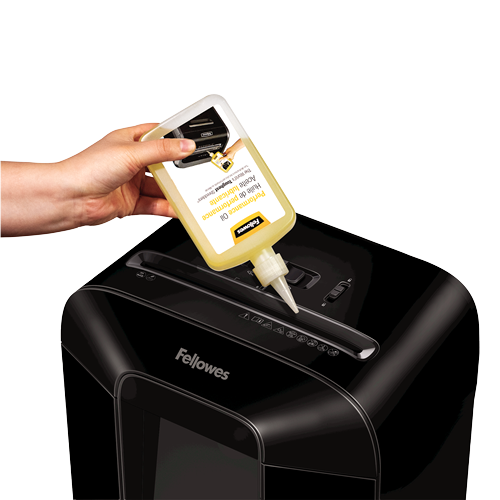
The following products are tested and approved by manufacturers for warranty compliance and optimal performance:
- Fellowes POWERSHRED Lubricant: Ideal for home and small office shredders. Squeeze bottle with long nozzle for precise application. Leaves no residue and conditions blades.
- GBC Swingline Shredder Oil: Synthetic formula for reduced motor torque. Compatible with most brands. Residue-free and easy to use.
- MBM DestroyIt Shredder Oil: Heavy-duty formula for industrial machines. High-cling non-detergent blend. Available in bulk up to 4 gallons.
- HSM Shredder Oil: Designed for high-security models. Also works with automatic oiling systems. Clean long-lasting protection.
How to Oil Your Shredder Correctly
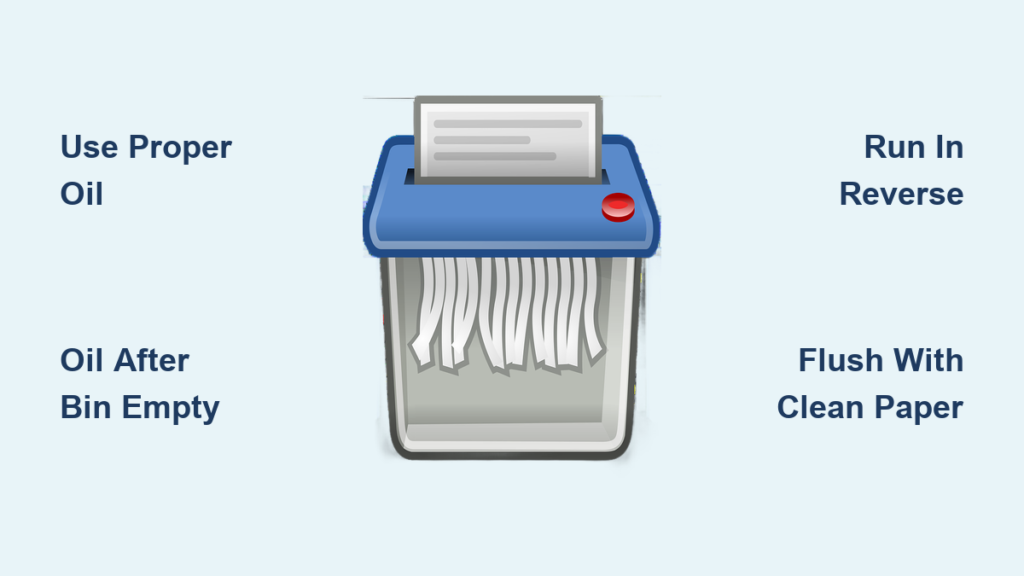
Use the Oiled Sheet Method (Safest)
This method ensures even distribution without over-lubricating. Follow these steps:
- Turn on the shredder in Auto or Manual mode.
- Drip 3 to 5 drops of shredder oil in an X pattern across a sheet of paper.
- Feed the oiled paper through the machine.
- Repeat with 1 to 2 more sheets for full coverage.
- Run 2 dry sheets afterward to absorb excess oil.
Never pour oil directly into the feed slot unless your model allows it.
Frequency Matters
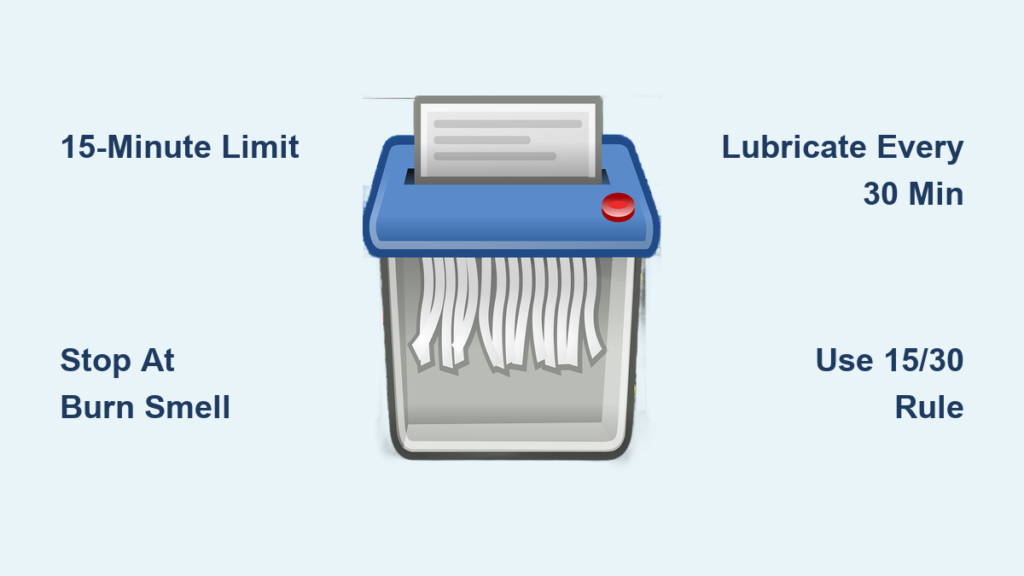
Follow this schedule based on your shredder type:
- Cross-Cut (Home/Office): Oil after every bin emptying.
- Micro-Cut (High Security): Oil every 15 to 20 minutes of continuous use.
- Heavy-Duty/Commercial: Oil daily or after long sessions.
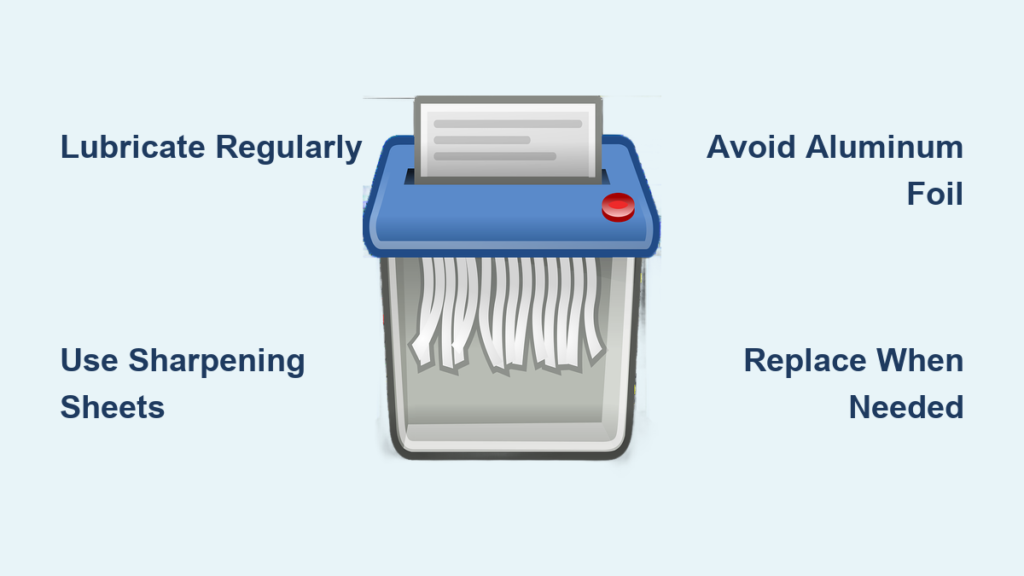
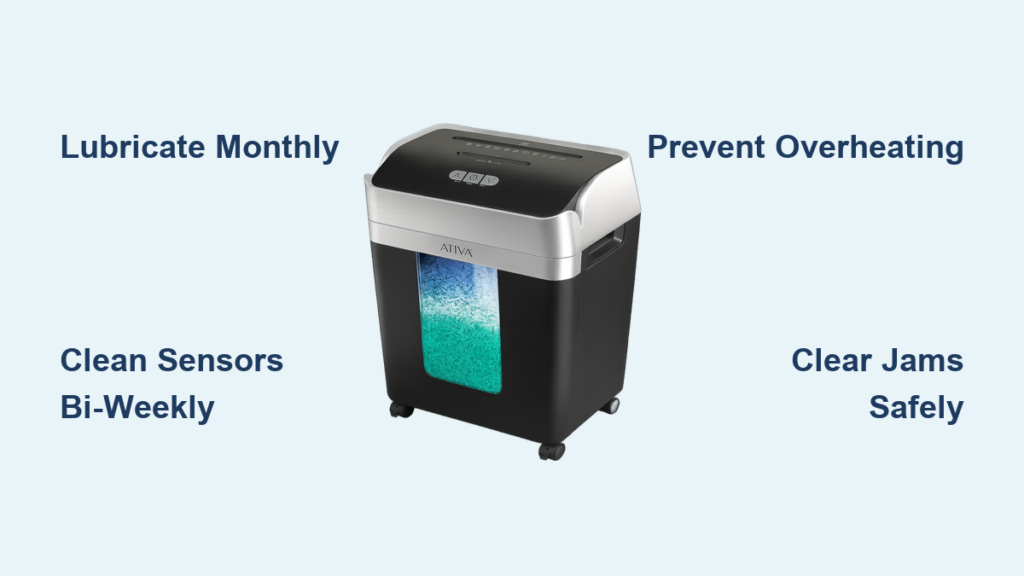
- Light Home Use: Oil monthly or when noise increases.
High-security models need more frequent oiling due to tighter blade tolerances.
What If You Have Already Used the Wrong Oil?
Immediate Steps to Take
If you have used vegetable oil, WD-40, or another substitute, take these immediate actions: stop using the shredder, unplug it and let it cool, run 3 to 5 dry paper sheets to clear loose residue, apply proper shredder oil using the oiled sheet method, and monitor performance for jams or noise.
When Professional Cleaning Is Needed
If the shredder still jams or grinds, internal residue may be hardened. Blades may need disassembly and manual cleaning. Contact the manufacturer or a repair technician. Prevention is far cheaper than repair.
Final Recommendations
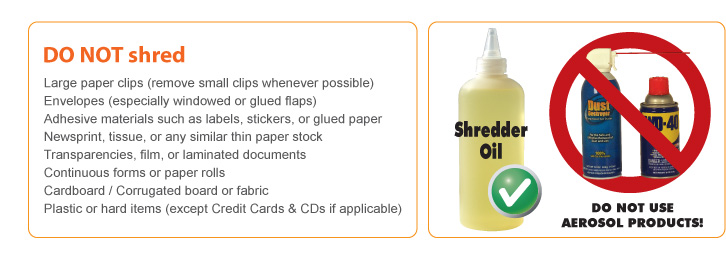
Never Use These Oils
Avoid vegetable oil including olive, canola, and coconut. Avoid cooking sprays like PAM. Avoid WD-40 and aerosol lubricants. Avoid baby oil or light mineral oil. Avoid motor oil or sewing machine oil. Avoid graphite or dry lubes.
Always Use These Instead
Use Fellowes POWERSHRED Oil, GBC Swingline Shredder Oil, MBM DestroyIt Oil, or HSM Shredder Oil.
Best Practices Summary
Only use dedicated shredder oil. Oil after every bin emptying for cross-cut. Use the oiled sheet method for safety. Run dry paper after oiling. Follow manufacturer guidelines.
Frequently Asked Questions About Shredder Oil Substitutes
Can I use olive oil instead of shredder oil?
No. Olive oil and other vegetable oils oxidize and polymerize into a sticky gummy residue that clogs blades and gears. While not highly flammable, the long-term damage to your shredder makes this a poor choice.
Is baby oil safe to use in a paper shredder?
No. Baby oil is too thin to cling to blades effectively. It evaporates quickly and provides insufficient protection, especially for cross-cut and micro-cut models.
Why is WD-40 dangerous in shredders?
WD-40 is a solvent, not a lubricant. It is highly flammable and mixes with paper dust to create a fire hazard. The propellant can ignite from motor sparks, causing a flash fire inside the machine.
What happens if I use cooking spray like PAM?
Cooking sprays are aerosol-based and highly flammable. They leave residue that attracts paper dust, creates sludge, and can ignite during operation. Never use aerosol products in shredders.
Can I use motor oil in my shredder?
No. Motor oil is too thick for precision blade gaps, contains detergents that attract dirt, and poses fire risks. It can also stain paper output and damage internal components.
What is the best oil for paper shredders?
Dedicated shredder oils from Fellowes, GBC Swingline, MBM DestroyIt, or HSM are the best choices. These products are formulated specifically for shredder mechanics and are warranty-compliant.
Key Takeaways for Maintaining Your Shredder
There is no true substitute for shredder oil. The small investment in proper lubricant saves significant repair or replacement costs. Household oils cause gumming, motor strain, and fire hazards. Use only manufacturer-approved shredder oil and follow the oiled sheet application method. Establish a regular oiling schedule based on your shredder type and usage frequency. By using the right lubricant the right way, you protect your investment and ensure safe, quiet, and reliable operation for years to come.