
Is your Fellowes paper shredder making strange noises, struggling to cut, or shutting down mid-use? These common issues often stem from one overlooked habit: improper or infrequent maintenance. The key to keeping your Fellowes shredder running smoothly—whether it’s a cross-cut or high-security micro-cut model—lies in a simple, consistent lubrication routine using Fellowes-approved oil. Without it, you risk motor burnout, blade wear, and even voiding your warranty. This guide reveals the exact oiling schedule, step-by-step application method, and performance benefits proven to extend your shredder’s life.
Oil the Right Way

Using the correct lubricant is non-negotiable for safe, efficient shredder operation. Fellowes explicitly approves only Fellowes Performance Oil for all its models. This proprietary formula is engineered to resist gumming and residue buildup common problems with generic oils that can clog internal mechanisms over time.
Use Fellowes-Approved Oil Only
Never substitute with petroleum-based lubricants, household oils, or aerosol sprays. These alternatives pose serious risks: they can degrade rubber components, increase flammability, and lead to dangerous overheating. Most critically, using unapproved products voids your warranty immediately. Aerosols are particularly dangerous due to their propellants and inconsistent spray patterns that can flood sensitive parts.
While third-party shredder oils exist, Fellowes does not guarantee their performance or safety. For reliable results and warranty protection, stick strictly to Fellowes-branded oil. It flows evenly across cutting heads without attracting dust and paper fibers that cause clogs.
Buy the Correct Oil Size
Fellowes offers two standard oil sizes to match your usage needs.
• 12 oz bottle: Ideal for light to moderate office use. Sold individually or in cartons of 6 for bulk savings.
• 32 oz bottle: Best for high-volume environments like accounting firms or legal offices where frequent shredding occurs.
The 32 oz option typically offers better long-term value. Regardless of size, always store the oil upright in a cool, dry place away from direct sunlight to maintain its chemical stability.
Follow Model-Specific Oiling Schedules
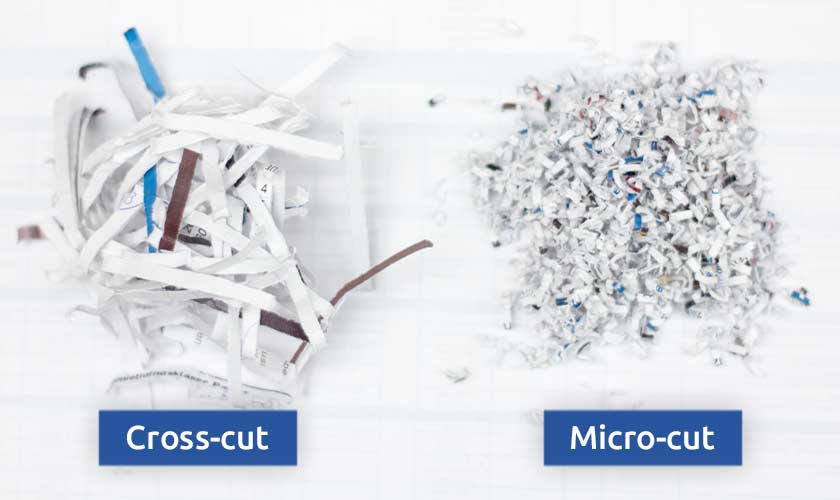
One-size-fits-all maintenance does not work with shredders. Your oiling frequency depends entirely on your model’s cutting mechanism. Skipping lubrication leads to increased friction, heat buildup, and premature motor failure, especially in high-security units.
Oil After Emptying the Bin (Cross-Cut)
For cross-cut shredders, oil every time you empty the waste bin. This ensures consistent lubrication relative to usage. If you do not shred frequently, follow the minimum rule: oil at least twice a month. Cross-cut blades create more contact points than strip-cut models, generating higher friction that demands regular oiling to preserve sharpness and prevent wear.
Oil Every 15 Minutes of Use (Micro-Cut)
Micro-cut shredders require stricter care. Oil after every 15 minutes of continuous shredding. These models feature densely packed blades that generate intense heat and stress during operation. Without frequent lubrication, the motor can overheat and shut down, or worse, fail permanently.
Even if your shredder sits idle for weeks, run a quick oil cycle before use. Neglected blades often recover instantly with proper lubrication, restoring smooth feeding and quiet operation.
Recognize Warning Signs
Do not wait for failure. Oil immediately if you notice unusual grinding or squealing noises, sluggish paper feed or hesitation, shreds that are torn instead of cleanly cut, or the unit shutting off unexpectedly. These are clear signs of friction and heat buildup, your shredder is crying out for oil.
Apply Oil in Reverse Mode
The correct application technique ensures even coverage without over-lubricating. Running the shredder in reverse while applying oil distributes the lubricant safely and effectively across the entire blade assembly.
Prepare the Shredder Safely
Follow these numbered steps for safe preparation.
- Turn the power switch to OFF.
- Unplug the unit from the wall outlet to prevent accidental startup and electrical hazards.
- Clear the paper entry slot of any debris or jammed material.
Ensure the waste bin is securely in place before proceeding. An improperly seated bin may prevent the machine from operating in reverse mode.
Choose Your Application Method
Two Fellowes-verified methods deliver optimal results.
Sweep Across the Blades
This method gives you precise control over oil placement.
- Press and hold the Reverse button to activate the blades in reverse direction.
- Hold the oil bottle tip just above the paper feed opening. Do not touch the blades.
- Squeeze gently and move the bottle in two quick horizontal sweeps across the full width of the cutting head.
This motion coats the entire blade length evenly, mimicking how paper naturally feeds.
Drop Oil at Two Points
A simpler alternative for users who prefer minimal handling.
- Turn the shredder on and select Reverse mode.
- While the blades are spinning backward, squeeze two drops of oil into the feed slot, one near the left edge and one near the right.
Avoid centering both drops. Spreading them ensures full coverage.
Distribute the Lubricant Fully
After applying oil, let the shredder run in reverse for 10 to 20 seconds. For micro-cut models or long-idle units, run for the full 20 seconds to ensure deep penetration. This step circulates the oil through gears and blade intersections, forming a protective film. Then release the reverse button and allow the machine to stop completely.
Finish with a Test Run
To absorb any excess oil, switch to Auto mode and feed in 2 to 3 sheets of scrap paper. If the paper comes out dark or oily, run additional sheets until residue disappears. Excess oil attracts dust and forms sludge over time, so this cleanup step is essential.
Prevent Jams and Motor Strain
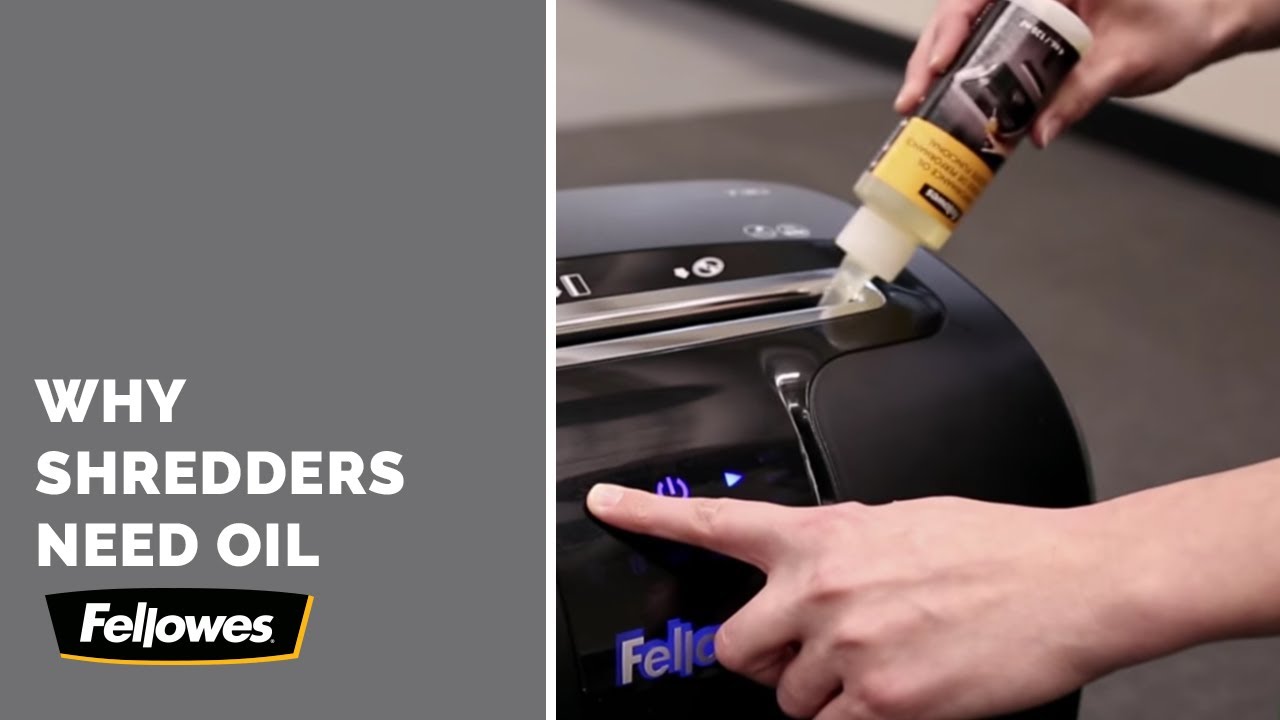
Proper lubrication is not just about smooth operation. It is a critical defense against the most common causes of shredder failure.
Reduce Friction and Heat
Metal blades rubbing together generate heat that degrades surrounding components. Oil creates a microscopic barrier that eliminates direct metal-on-metal contact. This reduces operating temperature, especially vital in micro-cut models where blade density increases friction exponentially.
Without lubrication, heat builds rapidly, triggering thermal overload sensors that shut down the motor. Repeated cycles weaken the motor windings, leading to permanent failure.
Keep Blades Sharp Longer
Clean, oiled blades stay sharp by reducing abrasive wear. Dull blades do not slice cleanly. They tear paper, increasing resistance and forcing the motor to work harder. Over time, this leads to inconsistent shreds and higher jam frequency.
Regular oiling maintains the precision cut your model was designed for, whether it is P-4 cross-cut or P-7 micro-cut security level.
Stop Jams Before They Start
Most jams occur when paper fibers bind between sticky or dry blades. Lubricated blades release paper particles more easily, allowing them to fall freely into the bin. This keeps the cutting head clear and minimizes the chance of feed blockages.
Users report up to a 70% reduction in jams after adopting a consistent oiling schedule.
Extend Shredder Lifespan Cost-Effectively
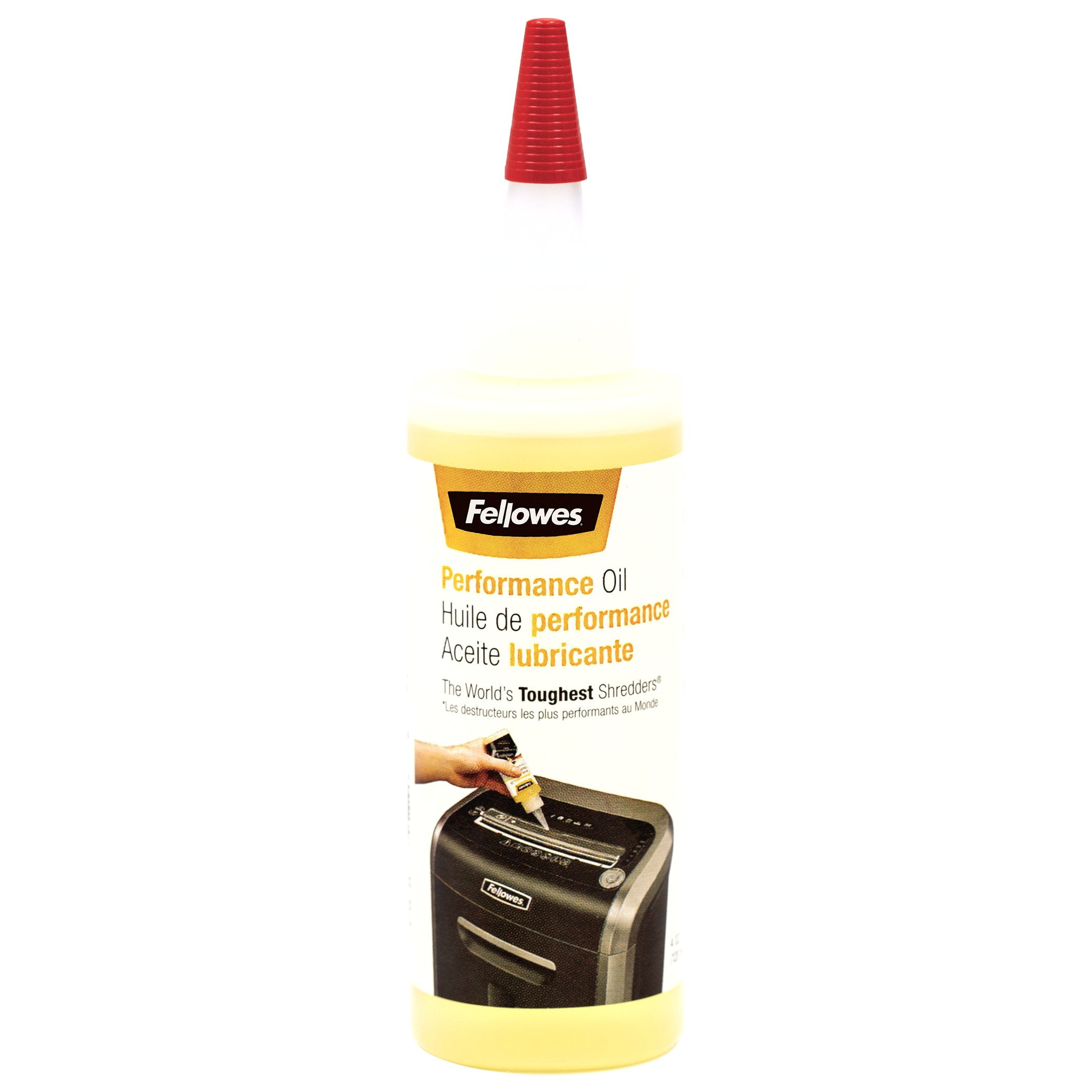
Spending $60 to $80 on a bottle of Fellowes oil might seem excessive at first glance. But compare that to the cost of replacing a $200 plus micro-cut shredder. Regular maintenance is the most cost-effective way to protect your equipment.
Save Money on Repairs
Once a motor burns out or blades warp from heat, repair costs often exceed half the price of a new unit. Some models are not serviceable at all. Preventative oiling eliminates the need for expensive fixes by addressing the root cause of failure: friction.
Think of oil as insurance for your shredder, a small, recurring cost that prevents major losses.
Maintain Warranty Coverage
Fellowes warranties cover defects in materials and workmanship, but only if maintenance is performed correctly. Using non-approved oils or skipping lubrication gives manufacturers grounds to deny claims. By following the official protocol, you keep your warranty intact and your support options open.
If problems persist after proper oiling, contact Fellowes directly at 1-800-955-959 or visit fellows.com/support. Have your model number ready for faster service.
Apply Protocol to Other Brands (With Caution)
While this guide focuses on Fellowes shredders, the reverse-mode oiling technique and use of Fellowes oil can benefit other cross-cut and micro-cut brands. Many users successfully apply Fellowes oil to Aurora and Leitz models with positive results.
However, always check your manufacturer’s manual first. Some brands specify different lubricants or prohibit third-party oils. Applying Fellowes oil to a non-Fellowes unit could void its warranty, so verify compatibility before proceeding.
For universal best practices, use only shredder-specific oil never household substitutes, oil in reverse mode when available, and follow usage-based schedules such as every 15 minutes for micro-cut.
Frequently Asked Questions About Fellowes Paper Shredder Maintenance
How often should I oil my Fellowes cross-cut shredder?
Oil your cross-cut shredder every time you empty the waste bin. If you do not empty the bin frequently, oil at least twice a month to maintain proper blade lubrication and prevent friction buildup.
Can I use regular vegetable oil instead of Fellowes-approved oil?
No. Regular vegetable oil and other household oils lack the proprietary additives needed to resist gumming and residue buildup. Using non-approved oils can void your warranty and cause internal clogging.
What happens if I never oil my shredder?
Without regular oiling, blades experience increased friction and heat buildup. This causes premature dulling, more frequent jams, and eventual motor burnout. The repair or replacement cost far exceeds the price of routine maintenance.
How do I know if my shredder needs oiling immediately?
Listen for grinding or squealing noises, watch for sluggish paper feed, and check if shreds are torn rather than cleanly cut. Any of these symptoms indicate immediate need for lubrication.
Can I use Fellowes oil on other brand shredders?
The reverse-mode oiling technique and Fellowes oil may work on other brands, but you must verify compatibility first. Always check your manufacturer’s manual to avoid voiding warranty coverage.
How long should I run the shredder in reverse after applying oil?
Run the shredder in reverse for 10 to 20 seconds after applying oil. Use the full 20 seconds for micro-cut models or if the shredder has been idle for an extended period.
Key Takeaways for Fellowes Paper Shredder Maintenance

Consistent lubrication with Fellowes-approved oil is the single most effective maintenance action you can take. Whether you own a basic cross-cut model or a top-tier micro-cut shredder, following the correct schedule and method prevents jams, reduces noise, extends motor life, and keeps your warranty valid. Cross-cut models need oiling every time you empty the bin or at least twice monthly, while micro-cut models require oiling every 15 minutes of continuous use. Always apply oil in reverse mode using either the sweep technique or the two-drop method, then run the machine for 10 to 20 seconds to distribute the lubricant fully. Make oiling part of your routine, just like emptying the bin, and your shredder will deliver years of reliable, high-performance service.