
If you’ve ever stood in a hardware store staring at two nearly identical rolls of sandpaper, you know the confusion is real. One roll says aluminum oxide, the other says garnet, and both promise a smooth finish. Pick the wrong one and you risk wasted time, poor results, or even damaged material.
The difference comes down to this: aluminum oxide is built for speed, power tools, and tough materials like hardwood and metal. Garnet is designed for hand-sanding bare wood, especially when you’re prepping for a stain where a clean, blotch-free finish matters most. Each abrasive has a specific job, and knowing which to reach for saves both your project and your sanity.
Match Abrasive to Material Hardness
Sand Softwoods with Garnet
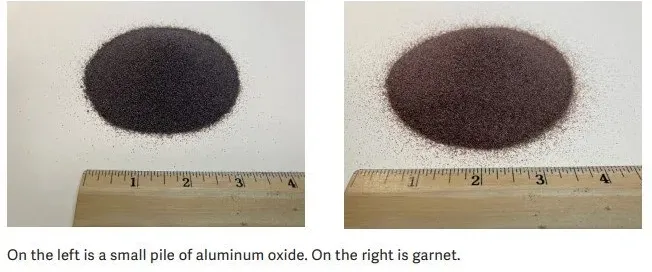
When working with pine, cedar, or fir, garnet sandpaper is the superior choice, particularly for hand-sanding. Its natural mineral grains sit at 6.5 to 7.5 on the Mohs scale, making them softer than aluminum oxide. This softness matters because it means the grains won’t gouge the delicate summerwood fibers in soft timber. Instead, garnet fractures gradually under hand pressure, creating micro-rounded edges that polish rather than tear.
This burnishing effect produces uniform porosity across the grain, which is critical when applying oil-based stains. Without it, softwoods absorb stain unevenly and develop blotchy patches. Garnet’s ability to leave a clean, translucent surface makes it the go-to for fine woodworking where appearance trumps speed.
Pro Tip: Start with 120-grit garnet and work up to 180 or 220 for final smoothing. Keep it off power tools because garnet’s animal hide glue bond melts under heat, causing rapid grain loss.
Use Aluminum Oxide on Hardwoods and Metals
For dense hardwoods like oak, maple, or walnut, and for any metal work, aluminum oxide is the only practical option. At 9.0 on the Mohs scale, its synthetic grains cut through tough fibers and resins without flattening out. The grains resist fracture under pressure, keeping sharp edges longer and delivering consistent stock removal across large surfaces.
This abrasive also handles metalworking tasks like deburring steel, blending weld seams, and finishing aluminum castings. Its heat-resistant resin bonds handle temperatures exceeding 200°C, so it won’t break down under the friction generated by power sanders.
Warning: Never use garnet on metal. It dulls instantly and generates dangerous heat due to low thermal resistance.
Avoid Garnet on Coatings and Composites
Painted surfaces, varnished finishes, MDF, and plywood demand durability that garnet simply can’t provide. These materials require aggressive cutting and resistance to loading, which only closed-coat aluminum oxide delivers. Garnet, typically open-coat and bonded with weaker adhesives, clogs fast and wears out quickly on composites or paint-stripping jobs.
For stripping old finishes or leveling MDF edges, use stearated open-coat aluminum oxide to resist clogging from resin and lacquer dust. Garnet can’t keep pace in these high-stress applications.
Select Based on Sanding Method
Reserve Garnet for Hand Sanding Only
Garnet sandpaper is a hand-sanding specialist. Its natural almandine grains and traditional hide glue backing are designed for low-pressure, manual use. Paired with a cork or rubber sanding block, it conforms to contours and lays down a fine, even finish on bare wood.
That same flexibility becomes a liability under mechanical stress. Random orbital sanders running at 8,000 to 12,000 OPM generate heat that melts hide glue, causing grains to shed prematurely. The vibration also shatters garnet’s friable structure into dust, rendering it useless in seconds.
Visual Cue: If you see dark streaks or loose grit on your workpiece after power sanding, you’re likely using garnet where aluminum oxide belongs.
Use Aluminum Oxide with Power Sanders
Aluminum oxide is engineered for power tools. Whether you’re running a belt sander, random orbital, or sheet sander, its resin-over-resin bond and synthetic grain structure handle high RPMs and thermal loads without failing.
The self-sharpening property is what makes it shine. As the grains fracture along crystalline planes, fresh cutting edges emerge, ensuring consistent performance over long sessions. This makes aluminum oxide ideal for production shops, flooring contractors, and anyone doing repetitive or large-scale sanding.
Pro Tip: For orbital sanders, pair aluminum oxide with a HEPA vacuum to prevent dust buildup, which causes swirl marks (called “pigtails”) and reduces cutting efficiency.
Optimize for Finish Requirements
Prepare Wood for Stain with Garnet
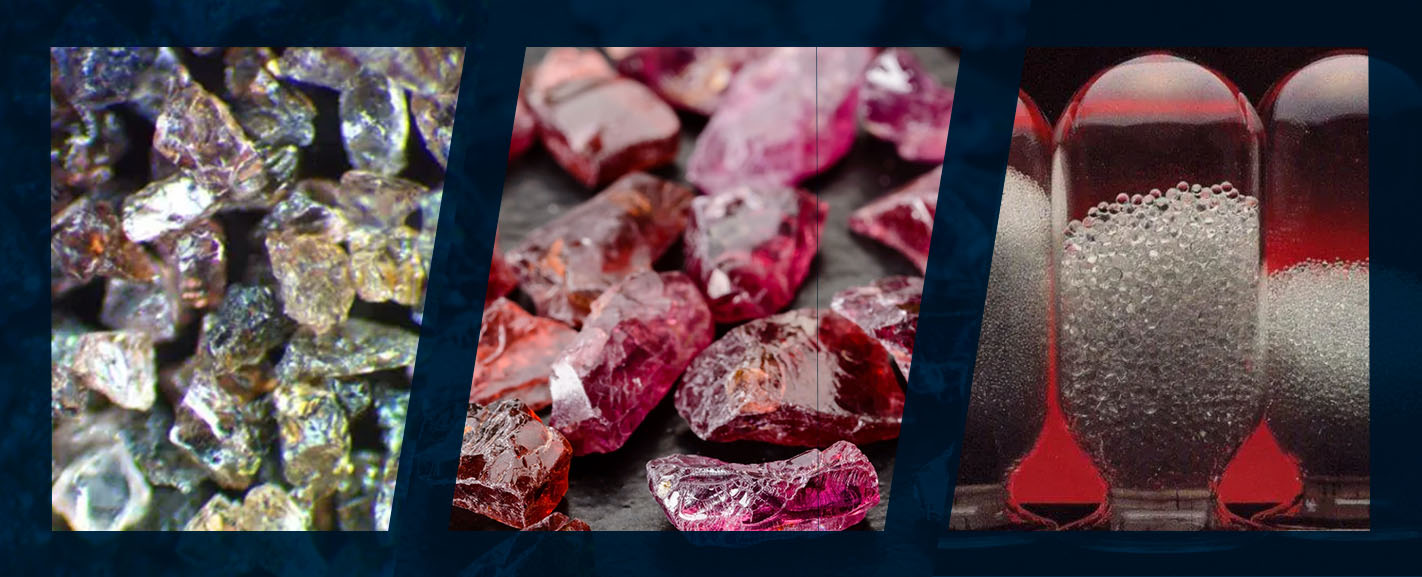
If your goal is a smooth, blotch-free stain on raw hardwood, finish your sanding sequence with garnet. As it wears under hand pressure, garnet produces shallow, U-shaped scratch patterns that lightly burnish the wood fibers instead of cutting deep grooves. This action closes open pores and equalizes stain absorption across varying grain densities.
Aluminum oxide, by contrast, leaves deep, V-shaped scratches that can trap excess stain, causing dark lines and uneven color. These scratches are great for mechanical adhesion under film finishes but problematic for penetrating oils and dyes.
Best Practice: Use 180 to 220 grit garnet as your final hand-sanding step before wiping on oil or wiping varnish.
Use Aluminum Oxide for Film-Building Finishes
When applying epoxy, polyurethane, or paint, you want maximum adhesion, and aluminum oxide delivers. Its sharp, angular grains create a textured surface with high mechanical grip, allowing coatings to bond securely.
The deep V-grooves it produces increase surface area, enhancing the physical interlock between the substrate and the finish. This matters for durability, especially in high-traffic areas like floors or tabletops.
Note: Follow up with a light hand-sanding using finer grit if needed, but avoid switching to garnet unless you’re sanding between coats on a stain-only finish.
Prevent Common Sanding Failures

Fix Clogging with Open-Coat Aluminum Oxide
Rapid clogging (also called “loading”) happens when dust fills the spaces between abrasive grains, making the paper useless. This is common when sanding resinous woods like pine or soft existing finishes.
Solution: Use open-coat aluminum oxide treated with zinc stearate, an anti-loading coating that repels sticky resins. The 50% to 70% grain coverage leaves room for dust to escape, extending usable life.
Garnet is naturally open-coat but wears too quickly under power tools to be practical. For hand-sanding pitchy woods, it works, but only if you clean the paper frequently with a rubber abrasive stick.
Stop Grain Tearing with Fresh Garnet
“Grain fuzzing” or “tearing” occurs when dull, aggressive paper pulls soft wood fibers instead of cutting them cleanly. This is a classic sign of using worn aluminum oxide on softwoods.
Immediate Fix: Switch to a fresh 180 or 220-grit garnet sheet and sand by hand, moving strictly with the grain. The softer, self-sharpening action of garnet slices fibers cleanly and leaves a smooth, fuzz-free surface.
Avoid: Using coarse aluminum oxide (below 150 grit) as a final step on softwoods.
Prevent Scorching with Proper Pressure
Wood scorching (darkened or burned patches) usually results from excessive downward pressure on a worn aluminum oxide disc. Dull grains don’t cut; they rub, generating intense friction heat.
Action Steps:
– Replace dull sheets immediately
– Let the sander’s weight do the work; don’t press down
– Ensure dust extraction is active to prevent heat buildup
– Use a slower RPM setting on variable-speed tools
Garnet rarely causes scorching because it runs cooler and is used manually, where pressure is naturally limited.
Choose the Right Grit and Coating
Follow the 50% Grit Rule
Jumping too far between grits leaves deep scratches that finer paper can’t remove. Always increase grit by no more than 50% per step.
Example progression:
– 80 → 120 → 180 → 220
This ensures each step removes the scratches from the previous one efficiently. Skipping from 80 to 150 leaves coarse marks that linger under finish.
Note: Garnet often feels finer than its grit number suggests due to uniform fracture patterns, so 180-grit garnet may feel closer to 220-grit aluminum oxide in hand use.
Pick Open-Coat for Softwoods, Closed-Coat for Hard Materials
- Open-coat (50% to 70% coverage): Best for softwoods, resinous woods, and paint stripping. The gaps between grains trap dust and prevent loading.
- Closed-coat (100% coverage): Ideal for hardwoods, metals, and final smoothing. Delivers maximum cutting power and uniform finish.
Garnet is commonly open-coat; aluminum oxide comes in both forms. For heavy stock removal on oak or metal, choose closed-coat aluminum oxide. For pine trim or veneer, open-coat is safer.
Compare Cost and Longevity

Aluminum Oxide Lasts 3 to 5x Longer
Under power sanding conditions, aluminum oxide outlasts garnet by 3 to 5 times. Its tough synthetic grains resist flattening and continue cutting even as they wear. This makes it more cost-effective for frequent or large-scale use.
Garnet, while more expensive per sheet ($0.50 to $2.00 vs. $0.40 to $1.50), justifies its price in fine finishing where quality outweighs durability.
Best Value Strategy: Use aluminum oxide for 80 to 150 grit stock removal, then switch to garnet for 180+ grit hand-finishing. This hybrid approach saves time and money while maximizing surface quality.
Consider Backing Type for Durability
- Paper-backed garnet: Flexible, ideal for hand blocks and contours
- Cloth-backed aluminum oxide: Durable, perfect for belt sanders and high-stress applications
- E-weight vs. C-weight paper: C-weight is heavier and more tear-resistant; use for aggressive sanding
Mismatched backing leads to premature tearing or poor tool contact. Always match backing strength to your tool and pressure level.
Frequently Asked Questions About Aluminum Oxide and Garnet Sandpaper
Is aluminum oxide better than garnet for wood?
Aluminum oxide is superior for durability, speed, and heavy stock removal on hardwoods, making it the industry standard for general woodworking. However, garnet is often preferred by traditional furniture makers and luthiers for final hand-sanding because it produces a cleaner, more translucent finish on bare wood without burnishing the grain.
Why does garnet paper dull so quickly?
Garnet is a natural mineral with relatively low fracture toughness compared to synthetic abrasives. While this natural friability constantly exposes fresh, sharp edges, it also means the mineral wears down much faster under heavy pressure or high-speed machine sanding.
Can I use aluminum oxide paper on metal?
Yes, aluminum oxide is widely used for deburring, blending, and finishing carbon steel, alloy steels, and various non-ferrous metals. Its high heat resistance and toughness allow it to withstand the rigorous demands of metal stock removal without instantly disintegrating.
Does grit size differ between garnet and aluminum oxide?
Grit sizing numbers follow established standards like FEPA (P-grades) or ANSI, so an 80-grit aluminum oxide sheet and an 80-grit garnet sheet target the same nominal particle size. Because garnet fractures more uniformly during use, the effective cutting action often feels finer and more consistent than an equivalent aluminum oxide grit in hand applications.
Can I use garnet sandpaper on a random orbital sander?
It is not recommended. Garnet is a natural mineral bound primarily with heat-sensitive adhesives; high-speed orbital motion generates thermal stress and mechanical impact that shatters garnet grains into dust almost instantly. Aluminum oxide is the proper choice for power sanders due to its synthetic toughness and heat-resistant resin bonds.
Which abrasive is better for preparing raw wood for stain?
Garnet paper is ideal for final hand-sanding raw wood prior to staining. As garnet wears under hand pressure, its sharp points break down into micro-rounded facets that lightly burnish the wood fibers. This action creates a uniform surface porosity that prevents blotching and reduces visible cross-grain scratches when oil-based stains are applied.
Key Takeaways for Choosing the Right Sandpaper
The choice between aluminum oxide and garnet comes down to matching the abrasive to your material, tool, and finish goal. Use garnet for hand-sanding bare wood, especially before staining. Use aluminum oxide for power sanding, metalwork, and film finishes. Combine both in a hybrid workflow for optimal results: fast stock removal with aluminum oxide followed by a flawless hand-rubbed finish with garnet.
Start by identifying your substrate and sanding method, then select the appropriate abrasive based on the guidelines above. Test on a scrap piece if you’re uncertain, and keep both types on hand so you’re ready for any project. With the right abrasive in hand, you’ll avoid costly mistakes and achieve professional-quality results every time.