Paper clutter is more than just a disorganization issue. It is a hidden fire hazard in offices, archives, and storage rooms where stacks of outdated documents can become fuel for fast-spreading fires, especially when stored near heat sources or electrical equipment. As businesses handle sensitive data, the need for secure document destruction has never been greater. Yet many overlook a critical aspect: the role of fire safety in paper shredding. While shredding is widely recognized as a security measure, it also plays a vital part in fire prevention and workplace safety.
Shredding reduces combustible material volume and eliminates risky alternatives like burning. However, the shredding process itself introduces potential fire risks, from overheating motors to paper dust accumulation. Without proper protocols, a machine meant to enhance security can become a fire starter. This guide breaks down how fire safety integrates with shredding operations, covering hazard identification, equipment maintenance, regulatory compliance, and emergency preparedness.
Identify Fire Hazards in Shredding Operations
Paper is classified as a highly combustible material. When accumulated in significant volumes near heat sources, these documents transform into a potent fuel source for rapid fire propagation.
Paper as a Fuel Source
When stored in bulk, especially in poorly ventilated rooms or near electrical outlets, heaters, or sunlight-exposed windows, paper becomes a prime target for ignition. A single spark from faulty wiring or static discharge can set off a chain reaction. The greater the volume of paper, the faster a fire spreads. Shredding reduces this fuel load by breaking down documents into small, less flammable pieces, lowering both fire risk and potential damage.
Shredder-Generated Ignition Risks
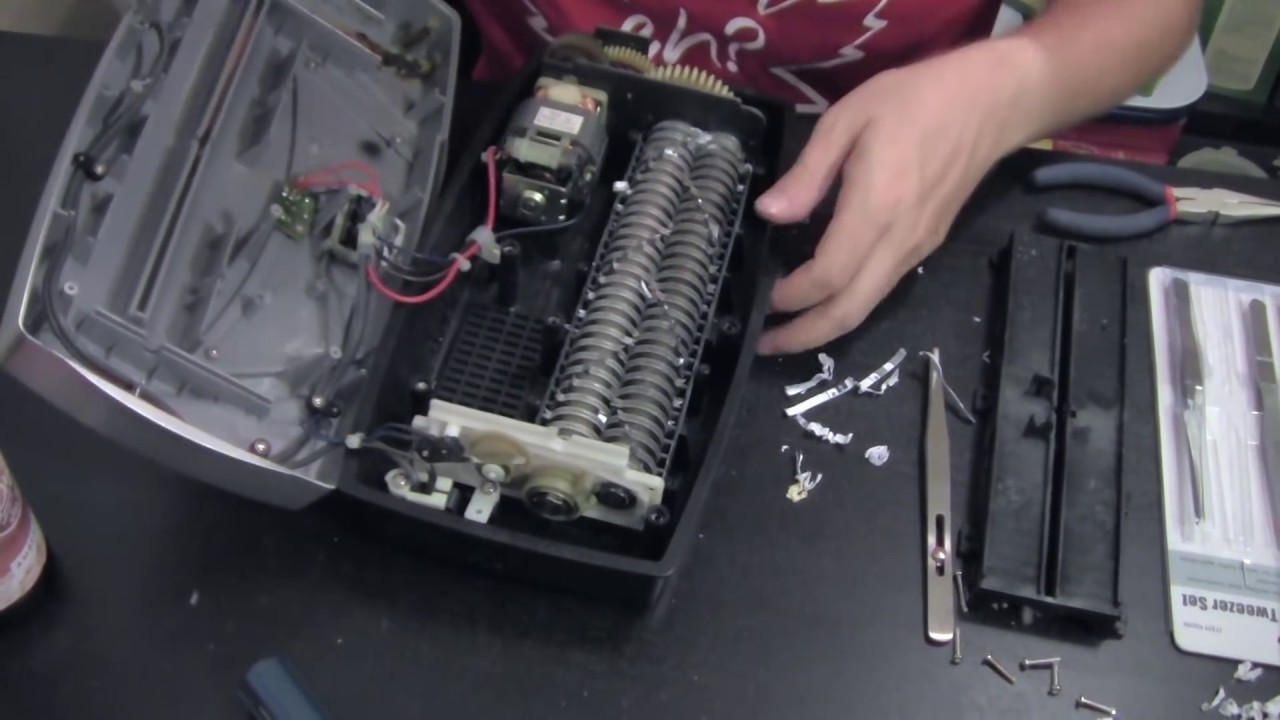
Shredders themselves can be ignition sources. Metal staples, paper clips, or binder rings accidentally fed into the machine may strike cutting blades, creating sparks. Internal friction from worn belts or dull blades generates heat, and accumulated paper dust acts as kindling. Electrical faults in aging power cords or overloaded circuits further increase the danger. These hazards are preventable but only with proactive awareness and maintenance.
Why Shredding Beats Burning for Safety
Burning documents may seem like a quick disposal method, but it introduces uncontrolled fire risks. Open flames in office environments are dangerous and often violate fire codes. Smoke from burning paper, especially glossy or ink-heavy stock, releases toxic fumes including volatile organic compounds and heavy metals. Shredding eliminates open flames entirely, offering a safer, cleaner, and more compliant alternative for document destruction.
Prevent Fires with Proper Shredder Use
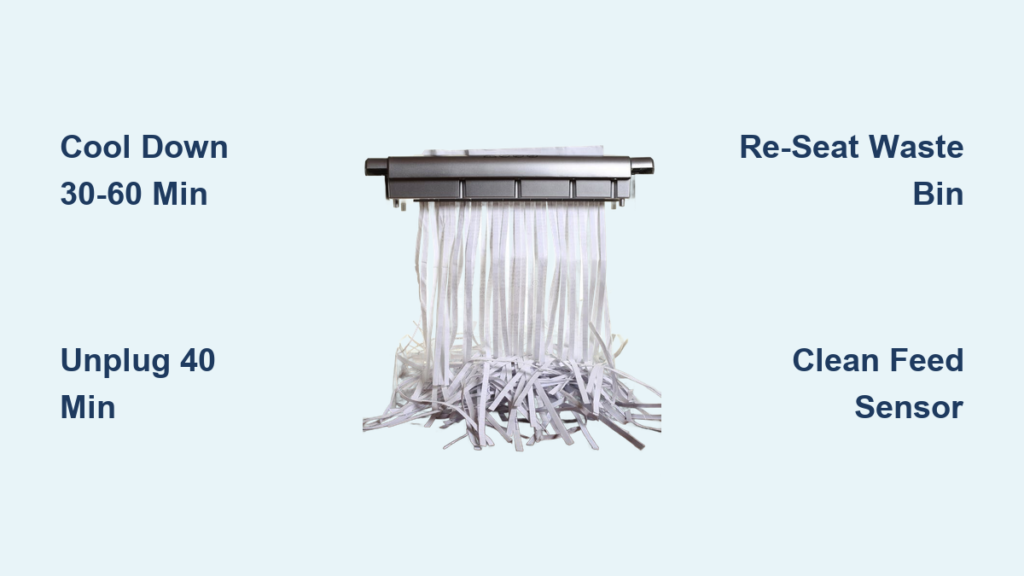
Overheating is the leading cause of shredder-related fires. Most machines have a duty cycle, typically 5 to 10 minutes of continuous use, after which they must cool down. Ignoring this limit strains the motor and increases internal temperature.
Avoid Motor Overheating
To prevent thermal failure, follow these essential practices:
– Follow manufacturer guidelines for run time and rest periods
– Never leave a running shredder unattended
– Allow at least 30 minutes of cooldown after heavy use
– Position the shredder in a well-ventilated area
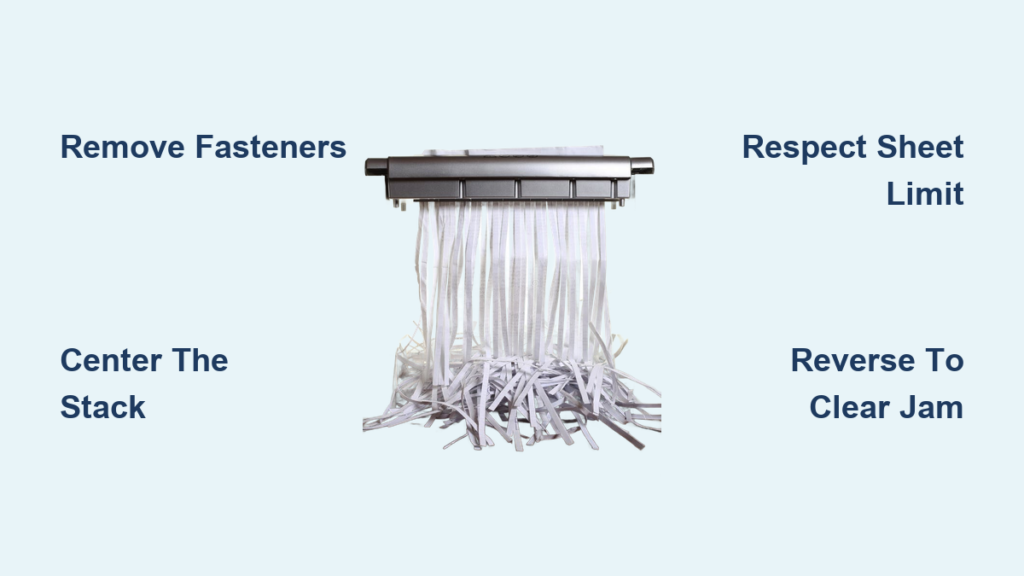
Respect Sheet Capacity Limits
Feeding too many sheets at once is a common mistake that causes jams, forces the motor to work harder, and increases heat buildup. Always check your shredder’s sheets-per-pass rating, usually 6 to 12 sheets for mid-range models, and stick to it. When in doubt, shred in smaller batches. This simple habit prevents jams, extends machine life, and reduces fire risk.
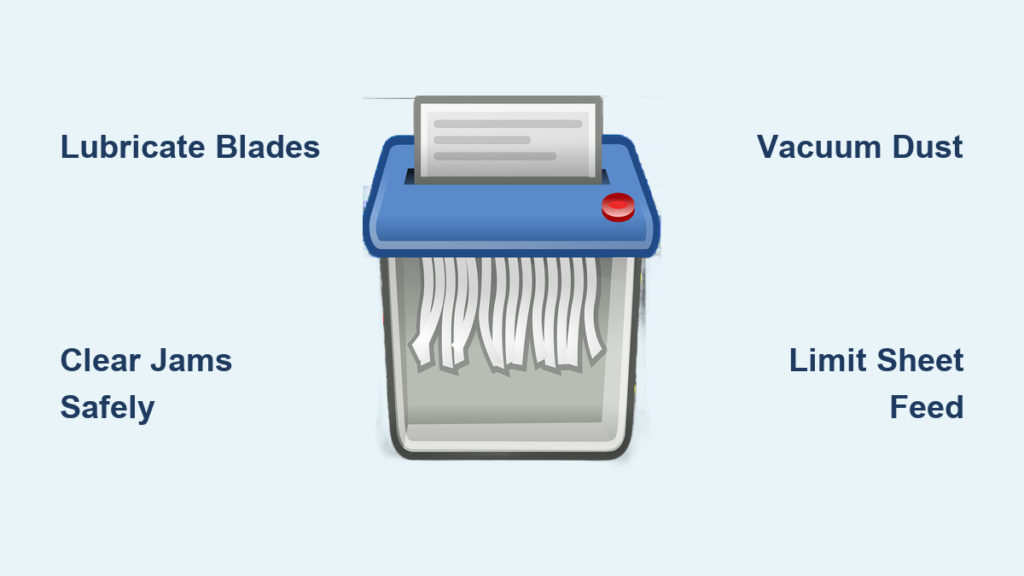
Clear Jams Safely
When a jam occurs, never force the paper or use metal tools to remove it. Doing so can damage blades or create sparks. Follow these steps:
- Power off and unplug the shredder
- Use reverse function to back out the paper if available
- Gently pull out stuck material by hand
- Restart only after the jam is fully cleared
Forcing a jammed shredder increases friction and heat, raising the chance of ignition.
Maintain Shredders to Minimize Fire Risk

A rigorous maintenance schedule is essential to minimize fire risks associated with mechanical failure and debris accumulation.
Clean Dust Regularly
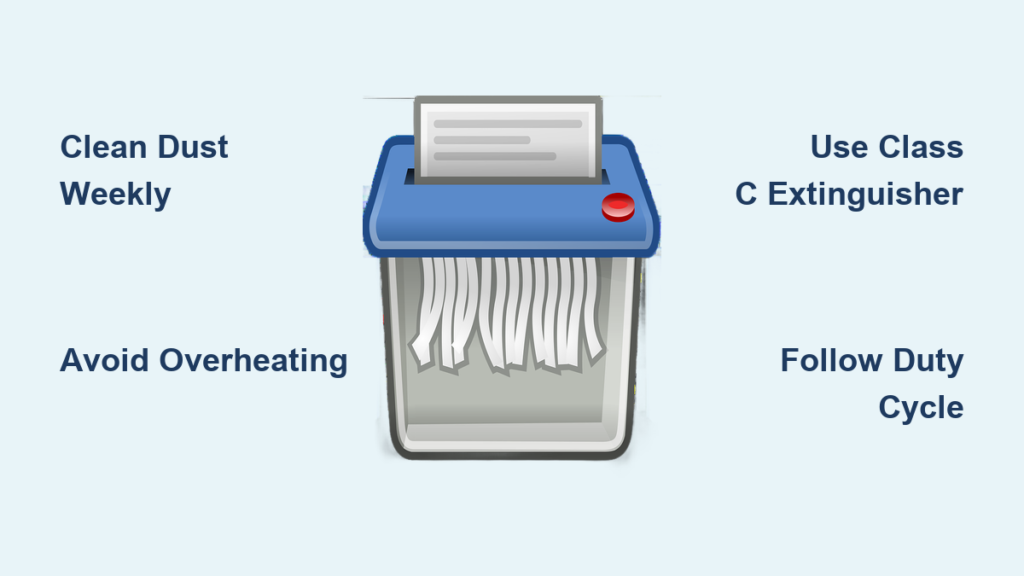
Paper dust accumulates inside the shredder and around the cutting mechanism. Over time, this fine debris becomes a fire-prone layer that can ignite from heat or sparks. Clean your shredder weekly or after every few uses with a soft brush or compressed air. Always power off and unplug before cleaning. Wipe down the exterior and surrounding area to prevent dust clouds.
Lubricate Blades Monthly
Dry blades create more friction, leading to overheating. Use manufacturer-recommended shredder oil, not household oils, to lubricate the cutting heads every 15 to 20 uses or monthly. Run 2 to 3 strips of oiled paper through the machine to distribute the oil evenly. This simple step keeps the motor running cooler and reduces wear.
Inspect Components Periodically
Worn parts increase fire risk. Check these key areas monthly:
- Belts and gears: Look for cracks, fraying, or slipping
- Power cord: Inspect for cuts, kinks, or exposed wires
- Blades: Dull or chipped blades require more force, straining the motor
Replace faulty components immediately. Delaying repairs risks catastrophic failure.
Position Shredders for Maximum Safety
The physical placement of the shredder plays a vital role in fire safety.
Choose a Stable, Open Location
Place the shredder on a flat, non-slip surface away from foot traffic. Vibration from an unstable base can loosen internal parts or damage electrical connections. Ensure there is at least 12 inches of clearance around the unit for airflow and heat dissipation.
Keep Away From Flammables
Never position a shredder near piles of paper, cardboard boxes, curtains, or solvents. Even a small internal fire can spread rapidly in a cluttered environment. Store shredded waste in sealed, non-flammable containers immediately after processing.
Control Air Quality
Paper dust can irritate lungs and trigger allergies. In small or enclosed spaces, use an air purifier with a HEPA filter to capture airborne particles. For high-volume shredding, consider machines with built-in dust containment systems to minimize dispersion.
Comply With Fire and Data Security Laws
Fire-safe shredding supports legal compliance. Laws like HIPAA, FACTA, and GLBA require secure destruction of sensitive records.
Meet HIPAA, FACTA, and GLBA Standards
Incomplete shredding, leaving readable strips, can result in data breaches, fines, and lawsuits. Properly shredded documents are not only fire-safe but also privacy-secure. Organizations must ensure their shredding methods meet regulatory requirements to avoid legal penalties.
Use High-Security Shredding Methods
Not all shredders offer equal protection. For maximum safety and compliance, consider these options:
- Strip-cut shredders produce long, reconstructable strips, the least secure option
- Cross-cut models slice paper into confetti-like pieces, much harder to reassemble
- Micro-cut shredders offer the highest security, reducing documents to particles under 1mm
Choose cross-cut or micro-cut for sensitive materials to meet regulatory standards and reduce fire fuel surface area.
Verify Chain of Custody
When outsourcing shredding, confirm the provider maintains a documented chain of custody. This ensures your files are tracked from pickup to destruction, reducing the risk of loss or unauthorized access. Ask for a Certificate of Destruction, a legal record proving your documents were securely processed.
Dispose of Shreds Safely and Sustainably
Proper disposal of shredded byproducts is essential to prevent them from becoming secondary fire hazards.
Store Waste in Non-Flammable Containers
Loose shredded paper is highly flammable due to its large surface area. After shredding, transfer the material to a metal bin with a lid. Avoid plastic bags or open baskets. Keep containers away from heat sources and empty them regularly.
Recycle or Compost Responsibly
Shredded paper can be recycled but only if kept clean and dry. Check local recycling rules. Some centers require shreds to be bagged in clear plastic, others prohibit bagging altogether. For composting, use only uncoated, non-glossy paper free from toxic inks. Shredded office paper makes excellent carbon-rich brown material in compost piles.
Avoid Burning Shreds
Never burn shredded paper, even in outdoor fire pits. The lightweight material can catch fire and fly, spreading embers. Burning also releases pollutants and may violate local air quality regulations. Recycling or composting is safer, cleaner, and more sustainable.
Choose Between In-House and Professional Shredding
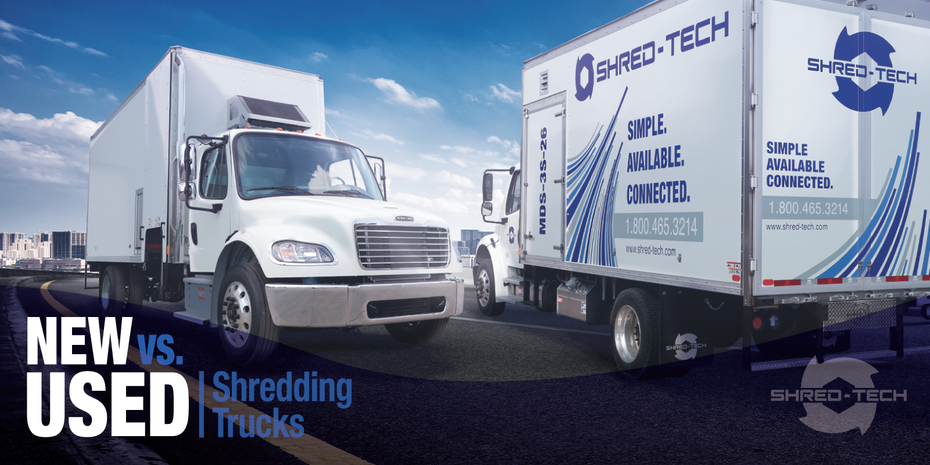
Organizations must weigh the costs and risks of maintaining internal shredding operations versus outsourcing to professional services.
Weigh the Hidden Costs of DIY
In-house shredding seems economical, but hidden expenses add up:
- Maintenance: Replacing belts, gears, and motors
- Energy use: High-power shredders increase electricity bills
- Time loss: Staff hours spent feeding, cleaning, and troubleshooting
- Fire liability: Poor maintenance increases fire and data breach risks
Low-end shredders often lack safety features like automatic shutoff or thermal protection.
Gain Safety With Professional Services
Professional shredding companies use industrial-grade equipment designed for continuous, fire-safe operation. Benefits include:
- Predictable pricing: No surprise repair costs
- Compliance assurance: Certified destruction and audit trails
- Risk transfer: The provider assumes responsibility for fire safety and data security
- Efficiency: Trucks shred on-site or transport documents to secure facilities
For businesses with over 50 pounds of paper monthly, outsourcing is often safer and more cost-effective.
Test and Monitor Shredding Safety

Regular testing and monitoring ensure ongoing safety and compliance.
Follow Duty Cycle Guidelines
Always adhere to your shredder’s duty cycle. For example, a 7-minute run time means 7 minutes of active use followed by a 20 to 30 minute cooldown. Exceeding this leads to overheating. Post a visible timer or usage chart near the machine to help staff comply.
Inspect Output Quality
Periodically check shredded output. Are fragments consistently small? Are there any partially destroyed documents? Gaps in destruction compromise both privacy and safety. Adjust settings or service the machine if output is inconsistent.
Conduct Monthly Safety Checks
Perform a quick safety audit each month:
- Is the power cord intact?
- Is dust buildup minimal?
- Are blades lubricated?
- Are waste bins non-flammable and sealed?
Document findings to track maintenance and identify recurring issues.
Prepare for Shredder-Related Emergencies
Being prepared for emergencies can prevent small incidents from becoming disasters.
Keep Fire Extinguishers Nearby
Place a Class C fire extinguisher, designed for electrical fires, within 30 feet of the shredder. Train staff on the PASS method:
- Pull the pin
- Aim at the base
- Squeeze the handle
- Sweep side to side
Never use water on an electrical fire.
Install Smoke Detectors and Sprinklers
Ensure the shredding area has working smoke detectors. These provide early warning of smoldering paper or overheating motors. In larger facilities, automatic sprinkler systems add a critical layer of protection. Test detectors monthly and schedule professional sprinkler inspections annually.
Establish Response Protocols
If a shredder emits smoke or unusual odors, follow these steps:
- Power off immediately
- Unplug the unit
- Evacuate the area if smoke persists
- Use a fire extinguisher only if the fire is small and contained
After any incident, have the machine inspected by a technician before reuse.
Frequently Asked Questions About Fire Safety in Paper Shredding
Can a paper shredder actually catch fire?
Yes, paper shredders can catch fire. The primary causes include motor overheating from exceeding duty cycles, paper dust accumulation igniting from internal friction, metal objects creating sparks inside the machine, and electrical faults in damaged power cords. Regular maintenance and proper operation significantly reduce this risk.
How often should I clean my shredder to prevent fire hazards?
Clean your shredder weekly or after every few uses. Paper dust accumulates quickly and becomes a fire hazard. Always power off and unplug the machine before cleaning. Use a soft brush or compressed air to remove debris from the cutting mechanism and surrounding areas.
What is the safest way to clear a paper jam in a shredder?
Never use metal tools or force the paper. Instead, power off and unplug the shredder, use the reverse function to back out paper if available, gently pull out stuck material by hand, and restart only after the jam is fully cleared. Forcing jammed paper increases friction and heat, raising fire risk.
Should I use professional shredding services instead of in-house equipment?
Professional services are often safer and more cost-effective for businesses handling over 50 pounds of paper monthly. They use industrial-grade equipment designed for continuous operation, provide Certificates of Destruction for compliance, and transfer liability for fire safety and data security to the service provider.
What type of fire extinguisher is needed near a shredder?
Use a Class C fire extinguisher designed for electrical fires. Class C extinguishers are specifically formulated to handle fires involving electrical equipment without conducting electricity back to the user. Never use water on an electrical fire.
Key Takeaways for Fire Safety in Paper Shredding
Fire safety in paper shredding is not an afterthought. It is a core component of operational security that protects your facility, employees, and sensitive data. The key to prevention lies in understanding that shredders are both fire prevention tools and potential ignition sources. By reducing combustible paper volume through shredding, you lower fire risk significantly, but this benefit is negated if the shredding process itself creates new hazards.
Regular maintenance is non-negotiable. Cleaning dust, lubricating blades, and inspecting components monthly dramatically reduces the likelihood of overheating and mechanical failure. Following duty cycle guidelines, respecting sheet capacity limits, and positioning equipment properly are simple practices that prevent most shredder-related fires. For organizations with high volumes of sensitive documents, professional shredding services offer superior safety, compliance assurance, and risk transfer.
Emergency preparedness completes the safety equation. Keep Class C fire extinguishers nearby, maintain working smoke detectors, and establish clear response protocols for smoke or unusual odors. With these measures in place, your organization can confidently handle document destruction while minimizing fire risks. The documents you shred today could be the difference between a safe workspace and a preventable fire tomorrow.