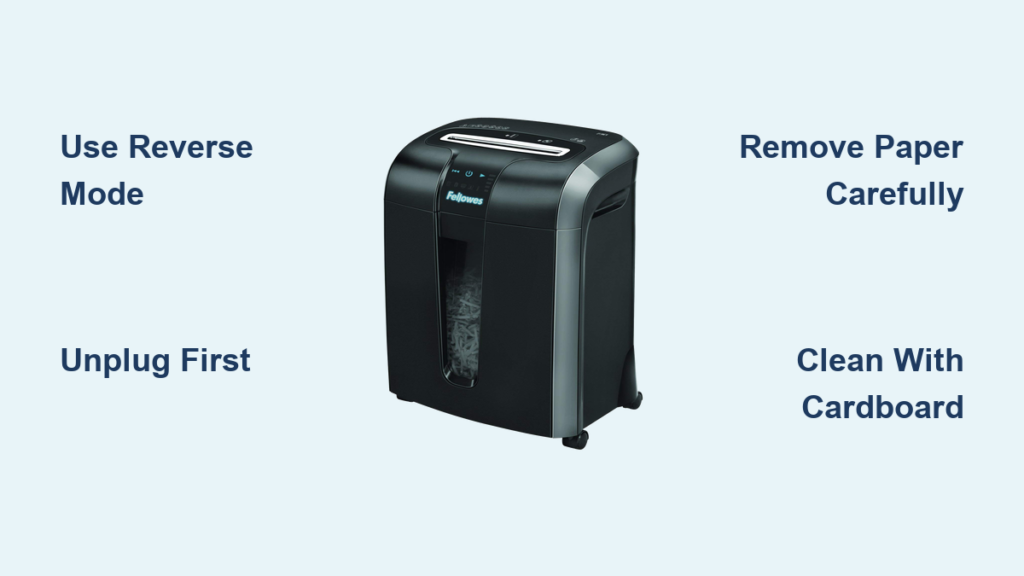

If you’re searching for a paper shredder that can shred cardboard, you’re not alone. Millions of households and businesses deal with corrugated waste daily, from shipping boxes to packaging materials. While most standard paper shredders fail when faced with cardboard, a few heavy-duty models are engineered to handle it safely. These machines turn waste into resources like worm bedding, eco-friendly packaging, or compost.
This guide cuts through the noise. You’ll learn which consumer and industrial shredders actually work on cardboard, how to use them safely, and how to repurpose the output. Whether you’re a home gardener, small business owner, or warehouse manager, this is your complete resource for shredding cardboard efficiently and sustainably.
Best Consumer Shredders for Cardboard

Not all paper shredders can tackle cardboard. But a few heavy-duty consumer models are built with reinforced motors and cross-cut blades capable of handling single-layer corrugated board.
Amazon Basics 12-Sheet Dual-Cut Shredder
This is one of the most reliable budget-friendly shredders that can shred cardboard without failing. Rated for 12 sheets of paper, it handles up to 1/4 inch thick cardboard, including sturdy delivery boxes.
Key Specifications:
– Cut Type: Dual-cut (cross-cut), producing small confetti-like pellets
– Cardboard Performance: Effortlessly cuts double-wall corrugated cardboard
– Feeding Tip: Feed center-first; edges may resist slightly
– Run Time Limit: 5 to 8 minutes max, followed by 30-minute cool-down
– Durability: Users report years of use without failure
Pro Tip: Pair it with a second unit (like the 24-sheet model) to increase throughput and prevent overheating during large batches.
Bonsaii C149-D 15-Sheet Shredder
A favorite among home composters, the Bonsaii C149-D handles thick packaging from electronics, pots, and camping gear.
Key Specifications:
– Output: Fine, dry shreds perfect for worm bedding
– User Feedback: Reliable for continuous cardboard use
– Dust Note: Slight cellulose dust is normal; not harmful
– Maintenance: Feed gradually to avoid jams
Real-World Use: Jen Fulkerson has used her Bonsaii for years to shred toilet paper rolls, boxes, and paper waste with no breakdowns.
Why Most Shredders Fail on Cardboard
Standard paper shredders simply aren’t built for corrugated material. Understanding these failure points helps you choose the right machine.
Common Failure Reasons:
– Motor Burnout: Standard 12-sheet shredders lack the torque needed for cardboard
– Blade Dulling: Cardboard’s abrasiveness wears out blades designed for paper fast
– Jams: Thick or taped sections clog narrow feed throats designed for thin stock
What to Avoid: Generic paper-only shredders. They’re not built for corrugated fiberboard and will break.
Industrial Cardboard Shredders for High Volume

When you’re processing hundreds of boxes daily, consumer models won’t cut it. Industrial shredders and perforators are designed for continuous, heavy-duty use.
Cardboard Perforators: Make Eco Packaging
Perforators don’t fully shred. They punch holes in cardboard sheets, creating flexible matting used as cushioning in shipping.
Top Industrial Models:
– HSM ProfiPack C400 ($2,194): Handles 1 layer (3/8″ thick), 16.3″ throat
– HSM ProfiPack P425 ($5,649): 2 to 3 layers (0.75″), ideal for warehouses
– Formax Greenwave 410 ($3,015): 16″ throat, high-speed perforation
– Intimus PacMaster S ($5,985): 2 to 3 layers, 16.75″ throat
Output: Reusable void-fill mats that replace bubble wrap and Styrofoam completely.
Industrial Shredder Types Explained
Different cut styles serve different purposes. Here’s what you need to know.
Cross-Cut Industrial Shredders:
– Produce small, uniform shreds ideal for secure destruction or compost
– Blades made from high-grade alloy resistant to wear
– Best for recycling centers and secure document destruction
Strip-Cut Shredders:
– Output long ribbons equal to sheet length
– Faster than cross-cut options
– Best for low-to-medium volume and cushioning applications
Dual-Shaft and Four-Shaft Models:
– Handle multi-wall, laminated, or mixed waste
– Dual-shaft: Two counter-rotating blade sets handle 2 to 3 ply cardboard
– Four-shaft: Higher speed, smaller output, smart controls for manufacturing and distribution hubs
How to Shred Cardboard Safely and Effectively
Even the best shredder can fail without proper technique. Follow these steps to maximize lifespan and output quality.
Prepare Cardboard Before Feeding
Proper preparation prevents jams and extends machine life.
Remove Contaminants:
– Peel off tape and stickers when possible
– Cut away plastic coatings with a box cutter
– Small metal staples are tolerated in compost contexts but avoid in industrial cutters
Size Reduction:
– Break large boxes into 6×6 inch chunks
– Exception: Toilet paper rolls and small pot boxes often feed directly
– Feed curved items slowly; they can jam if forced
Feeding Techniques That Work
Follow these best practices for smooth operation.
Center-First Method: For dual-cut models, insert the middle of cardboard first for best results.
Gradual Feed Approach: Don’t overload the machine. Let it process one piece at a time.
Watch for Resistance: If the motor slows noticeably, stop and reposition the material.
Prevent Overheating
Consumer units need rest cycles to function properly.
Duty Cycle Guidelines:
– Consumer Units: 5 to 8 minutes on, 30 minutes off
– Cooling Signs: Green light means ready; motor stops means needs cooldown
– Pro Move: Use two shredders in rotation for big jobs
Creative Uses for Shredded Cardboard
Shredded cardboard isn’t waste. It’s a versatile resource with multiple practical applications.
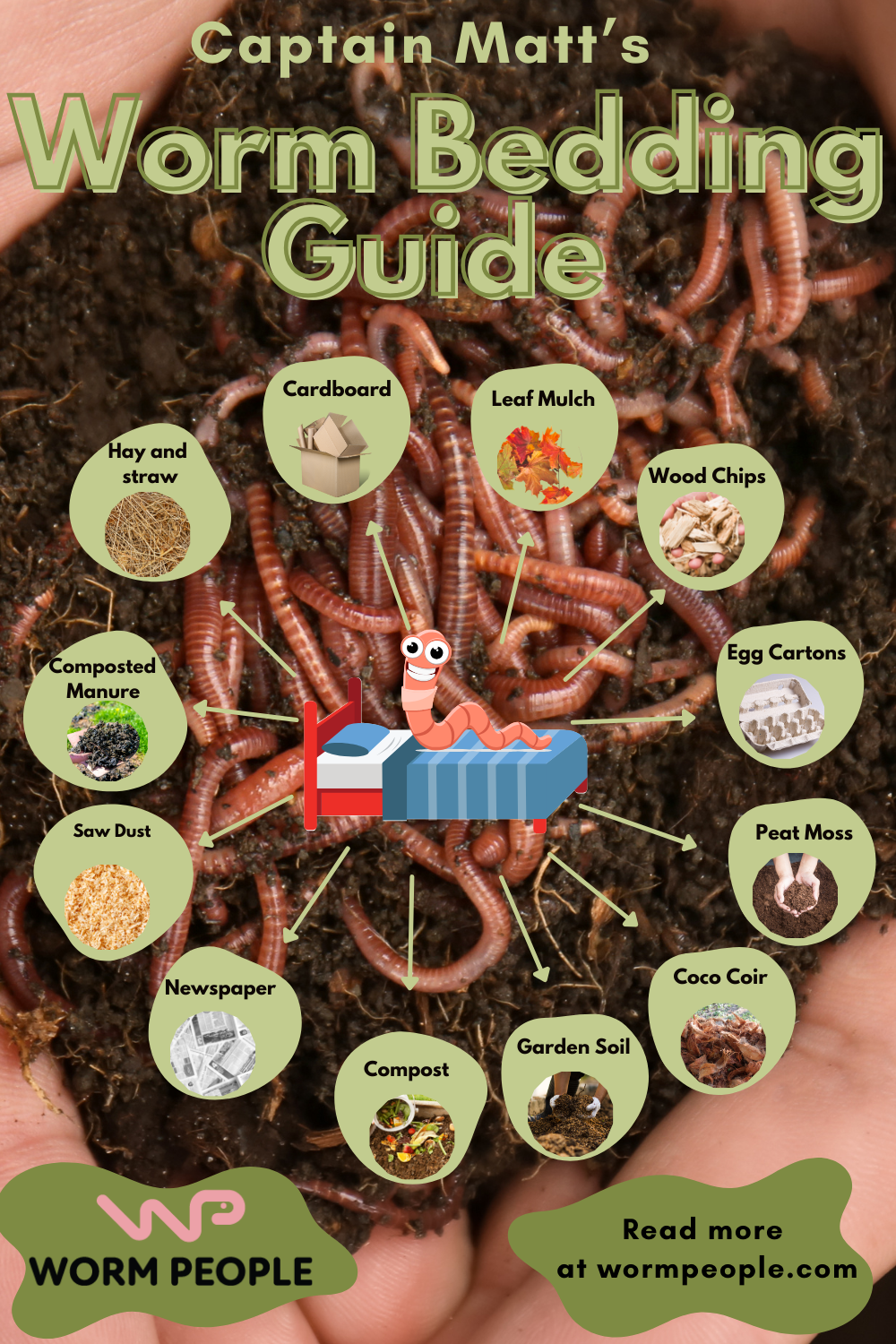
Worm Bedding and Composting
Shredded cardboard is gold for worm farms and composting systems.
Benefits:
– Absorbent: Soaks up excess moisture in bins
– Carbon-Rich: Balances nitrogen in compost as “browns”
– Edible: Worms eat the cardboard and the glue in corrugated layers
How to Use:
1. Shred cardboard into fine pieces
2. Moisten to “damp sponge” consistency
3. Layer with food scraps and coffee grounds
4. Let sit 4 to 8 weeks for pre-compost
Yield: One box shredding session produces approximately 1.5 full worm bin volumes.
Pro Tip: Place a thick layer of dry shreds in the bottom tray of worm bins to prevent leachate pooling.
Eco-Friendly Packaging and Shipping
Turn incoming boxes into outgoing packaging with zero cost and zero waste.
Applications:
– Shredded strips replace packing peanuts and bubble wrap
– Perforated mats provide flexible, shock-absorbing protection for fragile items
– Customer appeal: Eco-conscious buyers love sustainable packaging
Business Savings: Eliminates hundreds of dollars in annual packing material purchases.
Animal Bedding for Chickens, Rabbits and More
Shredded cardboard makes safe, absorbent, low-cost bedding for multiple animals.
Suitable Animals:
– Chickens
– Rabbits
– Guinea pigs
– Horses in clean, dry stalls
Advantages Over Wood Shavings:
– More absorbent than wood alternatives
– Dust-free when shredded properly
– Completely biodegradable
– Safer if accidentally ingested
Note: Avoid colored inks or wax-coated boxes. Stick to plain corrugated cardboard.
Manual Alternatives to Electric Shredders
Don’t want to risk breaking a machine? These low-cost methods work effectively.
Soak and Rip by Hand
Soaking cardboard in water for 5 to 10 minutes softens fibers, making tearing effortless.
Method:
– Fill a container with water or rainwater
– Submerge cardboard pieces
– Tear by hand after soaking
– Bonus: Pre-hydrates material for worms or compost
Tool Suggestion: Rubbermaid tub plus rainwater equals free, easy prep.
Cut with Utility Knife or Power Saw
Box Cutter: Ideal for precise cuts on worktables.
Jigsaw or Band Saw: Cuts through stacked cardboard quickly.
Safety: Use clamps and eye protection when using power tools.
Use a Gas Wood Chipper
Chipper/shredders rated for 3-inch branches handle cardboard efficiently.
Pros: Shreds large volumes in seconds.
Cons: Messy and noisy. Best for outdoor use only.
User Example: Wayne Petry uses his gas chipper for both branches and cardboard with complete success.
Dust Control What You Need to Know
Shredding cardboard produces far more dust than paper, but it’s manageable.
Why Dust Happens
Cardboard fibers are coarser and more abrasive than paper. Dry shredding releases cellulose particles.
Solutions by Setting
Industrial Settings:
– Use dust collectors with HEPA filters
– Install ductwork and proper ventilation
– Blast filters with compressed air to prevent clogging
Home Use:
– Slight dust is normal and harmless
– Wear a mask if you’re sensitive to particles
– Sift out large non-compostable bits after shredding
Maintenance and Troubleshooting Tips
Keep your shredder running smoothly with these best practices.
Prevent Jams
Best Practices:
– Don’t overfeed: One piece at a time
– Check thickness: Stay within machine limits
– Remove tape and staples: Especially important in industrial units
Avoid Motor Burnout
Prevention:
– Respect duty cycles: 5 to 8 minutes on, 30 off for consumer models
– Upgrade if needed: If you’re shredding daily, invest in industrial equipment
Fixing Common Issues
| Issue | Cause | Solution |
|---|---|---|
| Jam | Too thick, tape present, overfeeding | Reverse, clear, feed smaller pieces |
| Overheating | Long continuous run time | Cool down 30 minutes; use in cycles |
| Dust Buildup | No filtration system | Use mask, clean filters, add vacuum |
Blade Care
Industrial Models: Inspect blades monthly. Replace when dull.
Lubrication: Some models feature auto-oilers. Others need manual oiling per manufacturer instructions.
Why Shredding Cardboard Matters
Shredding cardboard isn’t just convenient. It’s eco-critical.
Environmental Benefits
Decomposition: Cardboard decomposes in 2 months versus plastic (400 to 1,000 years).
Resource Savings Per Ton Recycled:
– Saves 7,000 gallons of water
– Uses 75% less energy than virgin production
– Saves 3,902 kWh of electricity
– Saves 1 barrel of oil
– Reduces landfill space by 5 cubic feet
Sustainability Impact
- Closes the loop: Incoming boxes become shredded material used as packing
- Reduces tree harvesting: Saves approximately 15 billion trees annually in paper production
- Supports circular economy: Waste becomes resource
Final Recommendations by Use Case
For Home Composters
- Best Option: Bonsaii C149-D or Amazon Basics 12-Sheet Dual-Cut
- Alternative: Soak and hand-rip for worm bedding
- Avoid: Expensive consumer shredders unless verified for cardboard
For Small Businesses and Online Sellers
- Low Volume: Heavy-duty strip-cut office shredder
- Medium Volume: Entry-level perforator (HSM C400)
- Pro Tip: Use shredded cardboard as free void fill
For Warehouses and Logistics
- Essential: Dual-shaft or four-shaft industrial shredder
- Add-Ons: Conveyor feed, dust collector, auto-reverse
- Goal: Pre-process for baling and reduce hauling costs
For Animal Owners
- Ideal: Shredded plain cardboard
- Method: Manual tearing or electric shredding
- Benefit: Cheaper, cleaner, more absorbent than wood alternatives
Frequently Asked Questions About Paper Shredders That Can Shred Cardboard
Can a regular paper shredder handle cardboard?
No. Standard paper shredders lack the torque and blade strength needed for corrugated cardboard. Attempting to shred cardboard with a regular shredder typically causes motor burnout, blade damage, or jamming. You need a heavy-duty model specifically rated for cardboard.
What is the best consumer shredder for cardboard?
The Amazon Basics 12-Sheet Dual-Cut Shredder and the Bonsaii C149-D 15-Sheet Shredder are the most reliable consumer options. Both handle single-layer and double-wall cardboard effectively when used according to manufacturer guidelines.
How long can I run a cardboard shredder continuously?
Consumer shredders should run no longer than 5 to 8 minutes before a 30-minute cool-down period. Industrial models are designed for continuous duty but still require periodic maintenance breaks.
Is shredded cardboard safe for worm bins?
Yes. Shredded cardboard makes excellent worm bedding. It’s absorbent, provides carbon for balance with nitrogen-rich food scraps, and worms consume both the cardboard and the glue in corrugated layers.
What can I do with shredded cardboard besides compost?
Shredded cardboard works as eco-friendly packaging void fill, animal bedding for chickens and rabbits, mulch for gardens, and pre-compost material. It replaces bubble wrap, packing peanuts, and expensive litter bedding.
Key Takeaways for Choosing a Paper Shredder That Can Shred Cardboard
Finding the right paper shredder that can shred cardboard transforms waste into opportunity. The Amazon Basics 12-Sheet Dual-Cut and Bonsaii C149-D handle home needs effectively, while industrial perforators and shredders serve high-volume warehouse operations. Shredded cardboard becomes valuable worm bedding, compost, eco-friendly packaging, or animal bedding, turning your cardboard waste stream into a free resource. Always prepare cardboard by removing tape, size appropriately, and respect duty cycles to extend machine life. Manual alternatives like soaking and hand-tearing work when electric options aren’t available. The environmental impact is significant: recycling cardboard saves water, energy, trees, and landfill space while supporting sustainable practices at home and in business. Choose wisely, use safely, and turn your cardboard mountain into a resource revolution.