
Importing or exporting binding machines without the correct classification can cost you time, money, and credibility with customs authorities. The HS Code for Binding Machines determines your duty rates, tax obligations, and clearance speed across borders. One misclassified shipment can trigger audits, delays, or fines that far exceed the value of the machinery itself. Whether you are a first-time importer of a $5,000 perfect binder or a bulk buyer of $27 office units, accurate coding is non-negotiable.
This guide covers the exact HS code structure, subcategory breakdowns, national variations, current duty rates, and verified trade data. You will learn how to classify machines by type, avoid common errors, and verify your code using official tools before filing.
HS Code Structure for Binding Machines
Locating Binding Machines in Chapter 84
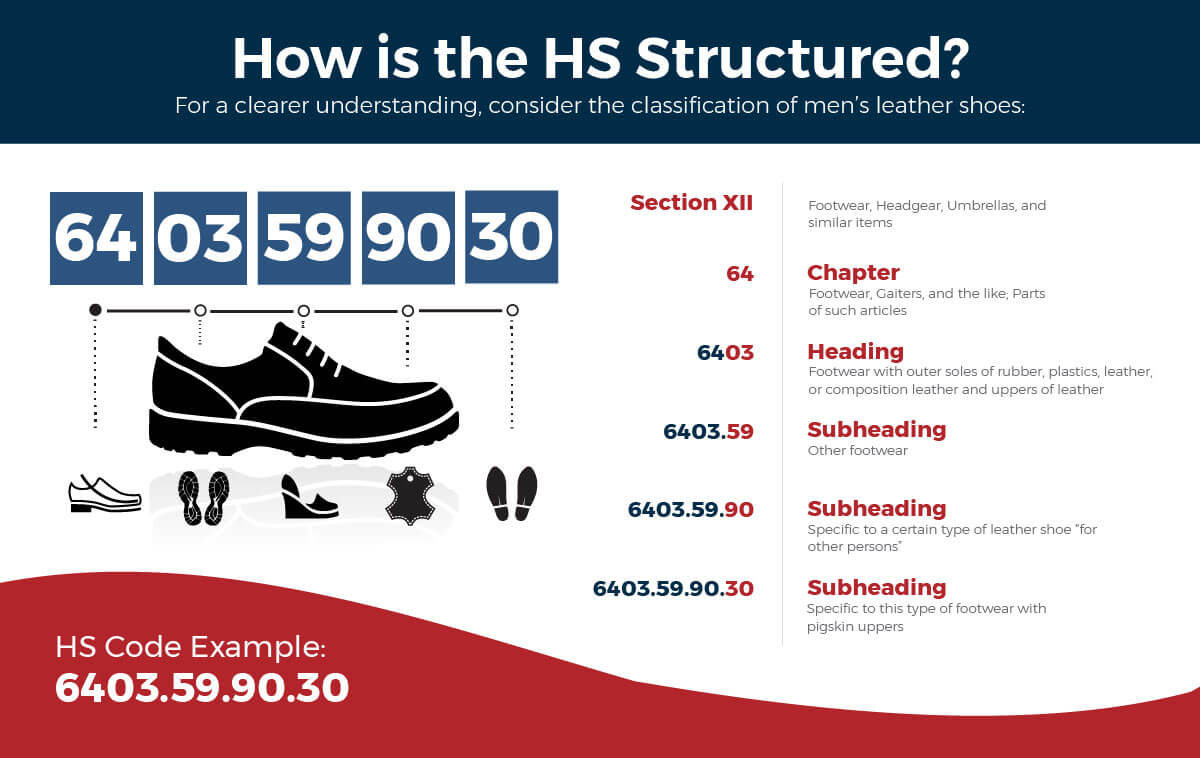
Binding machines fall under Chapter 84 of the Harmonized System, which covers nuclear reactors, boilers, machinery, and mechanical appliances. This chapter is the correct home for bookbinding equipment because binding machines perform a mechanical function rather than serving as consumables or office supplies. The chapter designation triggers specific duty treatments and regulatory requirements that differ from those applied to paper, ink, or finished books.
Following the Heading Path to 8440
The specific heading for all binding machinery is 8440: Book-binding machinery, including book-sewing machines. This is the foundation of every binding machine classification worldwide. All national customs systems recognize this six-digit base, ensuring consistency at the international level. From here, individual countries extend the code to capture more product details.
Understanding Subheading Breakdowns
Within heading 8440, four key subcategories define the type of equipment:
- 8440.10: General book-binding machinery
- 84401010: Wire stitching machinery, single headed
- 84401090: Other book-binding machinery (including perfect binders and corner rounders)
- 84409000: Parts of book-binding machinery
The first six digits (844010) remain constant across all countries. Beyond that, national systems add digits for refined classification and duty application.
Global HS Code Variations
Using 844010 as the Universal Base
The six-digit code 844010 is standardized globally, which means customs authorities in India, the United States, Germany, and Japan all recognize this product category identically. This base code should be your starting point regardless of shipment origin or destination. Trade negotiations, tariff schedules, and statistical tracking all rely on this consistent foundation.
Applying National Extensions Correctly
After the six-digit base, countries append additional digits for domestic control and duty calculation:
- U.S. HTS Code: 8440.10.0000
This is the full Harmonized Tariff Schedule code used for import and export declarations. - EU TARIC Code: 8440104000
This 10-digit code is required for EU import declarations and integrates trade policy measures. - EU CN Code: 84401040
The first eight digits are used for EU export declarations.
Submitting a TARIC code on an export declaration or an HTS code on an EU import form will result in rejection or delays. Always confirm which version your specific transaction requires.
Matching Machine Type to the Correct Subcode
Misclassification happens most often when generic terms like “binding machine” are used in commercial documents. Match your equipment precisely:
- Perfect binding machines → 8440104000 (TARIC) or 84401090 (India)
- Wire stitchers (single head) → 84401010
- Used or second-hand units → Same code as new, but declare condition explicitly
- Parts only (rollers, feeders, drills) → 84409000
Inaccurate subcoding can trigger customs audits or incorrect duty assessments, even if the six-digit base is correct.
GST and Duty Rates by Country
India: 18% GST Across All Categories
India applies a uniform 18% GST on all categories under HSN Code 8440:
| HSN Code | Description | GST Rate |
|---|---|---|
| 84401090 | Other book-binding machinery | 18% |
| 84401010 | Wire stitching machinery | 18% |
| 84409000 | Parts | 18% |
The regulating ministry is the Ministry of Heavy Industries. Rates are subject to change, so always verify the latest figures on the CBIC (Central Board of Indirect Taxes and Customs) website before filing.
United States: Generally Duty-Free
The U.S. classifies binding machines under HTS 8440.10.0000 with a 0% basic duty for most imports. However, importers should budget for additional fees:
- Merchandise Processing Fee (MPF): 0.3464% of value, capped at $500
- Harbor Maintenance Fee (HMF): 0.125% on ocean shipments
- Broker service fees: Variable by entry filer
Check with U.S. Customs and Border Protection (CBP) for any applicable trade agreement exemptions before finalizing your landed cost calculation.
European Union: Check TARIC for Exact Duties
The EU applies variable rates depending on the member state and applicable trade agreements. Use the TARIC database to:
- Confirm the applicable duty percentage for 8440104000
- Check for anti-dumping measures
- Validate rules of origin for preferential treatment
Duty calculators on EU customs portals allow you to estimate costs before committing to a shipment.
U.S. Import and Export Trends
177 Active U.S. Importers
According to U.S. Census Bureau data, 177 importers used HTS 8440.10.0000 in the 12-month period preceding the dataset. The top importing firms include:
- Muller Martini Corp (NY)
- Plockmatic International Ab (NY)
- Mbo Of America (NJ)
- Standard Duplicating Machines (MA)
- Michael Business Machines Corp (SC)
These companies typically source from European and Japanese manufacturers for high-end equipment.
Top Supplier Countries to the U.S.
In July 2020, U.S. imports under this code originated primarily from:
- Switzerland — High-end binders from manufacturers like Muller Martini
- Germany — Industrial machinery from MBO, Kolbus, and similar brands
- China — Budget and mid-range models
- Japan — Used Horizon machines
- Latvia — Emerging supplier of refurbished units
U.S. exports went mainly to Canada, Hong Kong, Belgium, Egypt, and the Cayman Islands.
Monthly Trade Value: $8.35 Million in Imports
For July 2020 specifically:
- Imports: $8,351,773 (CIF)
- Exports: $596,000 (FOB)
- Year-over-year change: Imports declined 27.36%, exports fell 54.18%
These declines likely reflect pandemic-related supply chain disruptions rather than long-term market shifts.
Indian Import Market Insights
$4.46 Million in Annual Imports
India imported binding machines worth $4,456,489 under HS 84401090. The average import price was $123.08 per unit, though this figure varies significantly based on machine type, brand, and condition.
Germany Leads with 31.78% Market Share
Top exporting countries to India:
| Rank | Country | Market Share |
|---|---|---|
| 1 | Germany | 31.78% |
| 2 | Switzerland | 20.21% |
| 3 | Japan | Significant (Horizon brand presence) |
| 4 | China | Bulk low-cost machines |
German brands like Kolbus and MBO dominate industrial applications, while Japanese Horizon machines are preferred for their durability in print-shop environments.
Major Ports Handling Indian Imports
Binding machines enter India through several key gateways:
- Nhava Sheva Sea — Largest container port by volume
- Chennai Sea — Key entry point for southern India
- Bangalore Air/Inland — Used for air-freighted precision units
- Tughlakabad ICD — Inland hub serving the Delhi region
- Cochin Sea — Growing port for industrial imports
Use air cargo for urgent or high-value shipments; sea freight is more economical for bulk or used equipment.
Machine Types and Pricing Data
Perfect Binding Machines: $2,000 to $7,500
Verified shipment records show the following price ranges:
- Horizon BQ440 (used): $2,058 to $2,606
- Horizon BQ250 (1992 model, used): $1,701
- Kolbus TR 160 (1998, used): $7,501
- Zechini Roby One (second-hand): $4,768
- Zechini Turning in Rollers with Belt Unit: $3,243
The Kolbus TR 160 price reflects strong demand for reliable German engineering despite the machine’s age.
Budget Machines from China
Chinese-manufactured units are significantly more affordable:
- W20A Binding Machine: $27.29 per unit (bulk pricing)
- EU-608 Model: $65.52 per unit
- ZX-450 Single Forming Machine: $5,267 (new)
- Coire Binding Machine: $3.80 per unit
These are commonly used in small print shops, schools, and emerging markets.
Specialized Equipment Pricing
| Machine | Price (USD) | Common Use |
|---|---|---|
| Corner Rounding Machine (UER/F) | $3,665 | Finishing for hardbound books |
| Tube Binding Machine (YTZ 50) | $429.60 | School and office reports |
| Edge Binding Machine | $561 | Lightweight paper binding |
| Glue Binding Machine | $103.32 | Small-scale publishing |
| Binding and Rivet Cutting Machine | $1,214 | Multi-function production |
Accessory and Consumable Costs
Even small parts carry their own classification:
| Item | HS Code | Price per Unit |
|---|---|---|
| 6mm Binding Tube | 84409000 | $0.09 |
| 5mm Binding Tube | 84409000 | $0.06 |
| 6mm Drill Bit | 84409000 | $3.16 |
These are classified as parts, not machines, and attract the same 18% GST in India.
How to Verify Your HS Code
Consult Official Classification Databases
Never rely solely on third-party lists. Use these authoritative sources:
- CBIC HSN Search Tool for India
- USITC HTS Search for the United States
- TARIC Database for the European Union
- UN Trade Matrix for cross-country comparison
Enter your machine’s brand, model, and technical specifications to confirm the correct subcode.
Request a Binding Ruling for High-Value Shipments
For complex or expensive shipments, consider requesting a binding tariff ruling from your customs authority. This provides legal certainty and protects you during future disputes.
- U.S.: File via the CBP Ruling Online Application (CBP Form 5494)
- India: Apply through the Customs EDI System
A binding ruling eliminates ambiguity and demonstrates due diligence.
Work With a Licensed Customs Broker
A certified customs broker can:
- Classify machinery accurately based on technical specifications
- Validate HS codes against current regulations
- Handle documentation and filings
- Prevent penalties from misclassification
This is especially valuable for first-time importers or when shipping unusual equipment.
Common Classification Mistakes
Using Generic Descriptions
Avoid vague terms like “office binding machine” or “paper binder.” Instead, use specific descriptions:
- “Perfect binding machine, model Horizon BQ440, used”
- “Wire stitching machine, single head, automatic feed”
- “Used book-sewing machine, Kolbus TR 160, 1998”
Specificity reduces misclassification risk and speeds customs review.
Confusing Machines With Accessories
A binding tube or drill bit is not a machine. These items fall under 84409000 as parts. Mislabeling them as 84401090 could result in incorrect duties and potential penalties.
Ignoring Condition in Declarations
Used or refurbished machinery must be declared accurately. While the HS code remains the same as for new equipment, customs authorities may inspect more closely and require proof of functionality. Always state the condition explicitly on commercial invoices and packing lists.
Trade Data and Market Intelligence Tools
Datamyne for U.S. Shipment Tracking
Descartes Datamyne offers:
- Real-time U.S. import and export data
- Company-level shipment records
- Price trends by model and origin
- Supplier and buyer identification
This platform is ideal for competitive analysis and sourcing new suppliers.
TARIC Support Platforms for EU Compliance
EU-based importers should use TARIC-compliant tools that provide:
- Duty calculators
- Declaration line validation
- Batch upload via the ABC (Automatic Batch Control) tool
- API integration for ERP systems
These features ensure compliance and accelerate customs clearance.
Filtering Data by Month, Port, and Origin
Advanced trade platforms allow filtering by:
- Month: Track price fluctuations over time
- Port: Identify fastest clearance routes
- Unit type: Compare NOS, PCS, and UNT pricing
- Origin country: Evaluate supplier reliability
These filters help optimize logistics decisions and procurement strategies.
Frequently Asked Questions About HS Code for Binding Machines
What is the 6-digit HS code for binding machines?
The universal six-digit HS code is 844010, falling under heading 8440 (Book-binding machinery, including book-sewing machines). This code is standardized across all countries and serves as the foundation for national extensions.
What is the difference between HTS, TARIC, and CN codes?
The first six digits are the same globally. Beyond that, the U.S. uses an HTS code (e.g., 8440.10.0000), the EU uses a TARIC code for imports (e.g., 8440104000) and a CN code for exports (e.g., 84401040). Submitting the wrong version for your transaction type will cause delays or rejection.
What GST rate applies to binding machines in India?
India applies a uniform 18% GST on all binding machine categories under HSN Code 8440, including machinery (84401010, 84401090) and parts (84409000). Rates are subject to change, so verify on the CBIC website before filing.
How do I classify used or refurbished binding machines?
Used and refurbished units use the same HS code as new equipment. However, you must declare the condition explicitly on all shipping documents. Customs may inspect more closely and require additional documentation for second-hand machinery.
Are binding machine parts classified differently from complete machines?
Yes. Parts such as binding tubes, drill bits, feeders, and rollers are classified under 84409000, not 84401090. This distinction affects documentation and can influence duty rates in certain jurisdictions.
How can I verify the correct HS code for a specific machine?
Use official databases such as the CBIC HSN Search (India), USITC HTS Search (U.S.), or TARIC Database (EU). For high-value or complex shipments, request a binding tariff ruling from your customs authority. Working with a licensed customs broker is also recommended.
Key Takeaways for Classifying Binding Machines
The HS Code for Binding Machines starts with the universal six-digit base 844010, but successful classification depends on selecting the correct subcode and complying with national regulations. Three points will save you the most trouble: always use specific product descriptions with brand and model details, match the subcode to the exact machine type (perfect binder, wire stitcher, or parts), and verify current duty rates with official sources before each shipment. Whether you are importing a $7,500 Kolbus TR 160 or a bulk order of $27 Chinese binders, accurate classification protects your margins and keeps your supply chain moving. When in doubt, consult a licensed customs broker or request a binding ruling to eliminate risk.