You don’t need a shredder to protect sensitive documents. Whether you’re dealing with old bank statements, expired IDs, or confidential work papers, knowing how to shred paper without a shredder is a vital skill for preventing identity theft and data breaches. Many effective alternatives exist using common household tools and methods that can render your documents completely unreadable and impossible to reconstruct.
This guide walks you through proven techniques ranked by security level, effort required, and safety considerations. From water-based pulping to chemical treatments, fire, and professional services, you’ll find the best method for your specific needs and resources.
Water-Based Pulping Methods

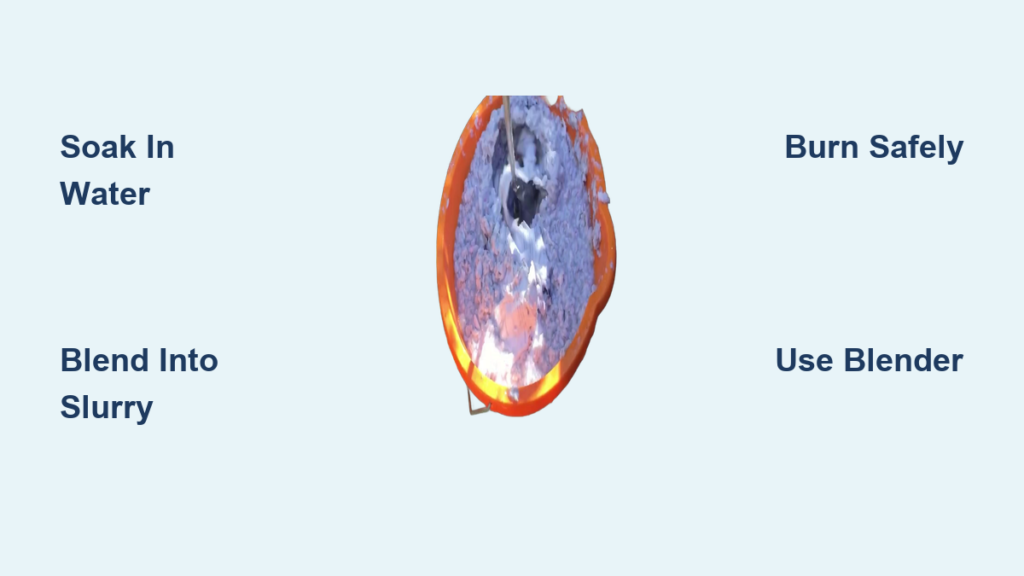
Water-based destruction saturates paper fibers until they lose structural integrity, making documents unreadable and nearly impossible to reconstruct. These methods are ideal for home use and require minimal equipment.
Soak and Pulp in a Bucket
Fill a large bucket with warm or boiling water and submerge your documents completely. Add one to two tablespoons of baking soda, vinegar, or lemon juice to accelerate fiber breakdown. Let the papers soak for two to twenty-four hours depending on thickness, then stir vigorously until the mixture becomes a mushy pulp.
Drain the water and let the sludge dry in a garbage bag before disposal. If no chemicals were used, this pulp can even be composted. For added security, mix in coffee grounds or cat litter to obscure any remaining ink patterns.
Crumple Wet Paper Into Balls
This quick method turns soaked documents into unreadable lumps without any chemicals. After soaking paper until saturated, remove it and crumple tightly into dense balls, squeezing out excess water. The result is a shapeless mass that hides all original content.
Allow the balls to dry completely before trashing to prevent mold and odors. This method works best for junk mail, single-page documents, or temporary records that don’t require high security.
Blend Into Unreadable Slurry
A kitchen blender can turn paper into a smooth paste that’s impossible to reconstruct. Tear paper into small strips and soak in water for five to ten minutes. Transfer to a blender with extra water, add a few ice cubes to help tear fibers, and blend on high until slurry forms.
Warning: Never use the same blender for food again after this process. Dedicate a specific blender solely to document destruction. Dispose of the mixture in the trash rather than pouring it down drains to avoid plumbing clogs.
Wash With a Laundry Machine
Your washing machine can pulp paper using agitation and spin cycles. Place documents in a mesh laundry bag or old pantyhose to prevent fragments from escaping and clogging the machine. Add one-half cup of bleach to degrade ink, then run a full hot cycle.
Afterward, check the bag. Paper should be a pulpy mess. Dry the remains and dispose in general waste. Avoid laminated paper, glossy magazines, or receipts, as these materials won’t break down effectively.
Drill-Mix in a Bucket
For larger batches, use a power drill to automate the pulping process. Soak paper in a bucket of water and attach a paint mixer paddle to a power drill. Submerge the mixer and run continuously for twelve to twenty-four hours until paper turns to fine pulp.
This method works best for fifty or more pages of regular office paper. It’s not suitable for glossy or coated stock, which resists breakdown.
Manual Cutting and Tearing
Physical destruction with hands or basic tools is accessible but requires careful attention to prevent reconstruction. These methods work well for low-sensitivity documents or when other options aren’t available.
Tear Into Tiny Pieces by Hand
Tear paper vertically first, then horizontally, repeating until pieces are smaller than one-half inch. The more layers you tear through at once, the better the result. To enhance security, punch holes in sensitive areas like account numbers before tearing.
Disposal strategy: Split fragments into multiple trash bags and dispose on different days to prevent jigsaw-style reconstruction. Never place all pieces in one container.
Cut With Shredding Scissors
Specialty scissors with multiple blades cut paper into thin strips in one pass. These affordable tools are ideal for bills, statements, and envelopes. Simply feed paper through and snip to create uniform strips.
After cutting, mix strips with coffee grounds or food waste to obscure them further. These scissors are available at office supply stores and online.
Fold and Cut for Maximum Fragments
Folding multiplies the number of pieces per cut. Fold a sheet in half twice, creating four layers. Cut through all layers, then repeat the folding and cutting process. Each iteration exponentially increases fragment count, with three cycles yielding sixty-four pieces from one sheet.
This method is time-consuming for large volumes but effective for small batches requiring higher security than simple tearing.
Punch Out Sensitive Data
Use a hole punch to remove only the critical parts containing sensitive information. Punch multiple holes over names, numbers, and addresses until the data is completely destroyed. The rest of the document can often be recycled safely.
This approach is best for single documents with isolated private information where destroying the entire page isn’t necessary.
Crush With a Hammer
For a no-water, no-fire option, smash paper into unrecognizable fragments. Place documents in a heavy-duty plastic bag and lay on a hard surface with cardboard underneath. Use a hammer or mallet to pound repeatedly until paper is a crumpled mess.
Wear safety goggles since fragments can fly during impact. This method works well for medium batches in apartments where fire or water methods aren’t practical.
Chemical Destruction Techniques

Chemicals break down both paper fibers and ink, increasing security and reducing the possibility of reconstruction. These methods require proper safety precautions.
Soak in Bleach for Ink Removal
Bleach destroys ink pigments and weakens paper structure simultaneously. Place documents in a bleach-resistant container and cover with undiluted household bleach. Soak for four to six hours.
Critical safety: Wear gloves and goggles, and work in a well-ventilated area. Bleach fumes are toxic. Never mix bleach with vinegar or ammonia, as this creates deadly chlorine gas. After soaking, rinse lightly, dry, and dispose in trash. Do not compost bleached paper.
Use Acidic Solutions to Break Fibers
Vinegar, lemon juice, or citric acid can degrade paper over time. Soak documents in white vinegar or lemon juice for twelve or more hours. The mild acidity softens fibers, making them easier to tear or pulp.
For extreme cases, hydrochloric acid works fast but is dangerous. Only use this for professional applications with proper safety gear. Dispose of acidic solutions responsibly by neutralizing with baking soda before pouring down the drain.
Mix With Salt, Soap, and Sand
Create a destructive slurry using abrasives and detergents. In a bucket, combine water, dish soap, salt, and sand. Add soaked paper and stir aggressively. The salt and sand scratch fibers while soap breaks surface tension.
After thirty minutes, the paper will clump and disintegrate into a messy, gritty texture that deters anyone from attempting retrieval. Dry and dispose of the mixture in general waste.
Burn Documents Safely
Fire leaves no trace when done correctly, making it the most secure method for complete destruction. However, it carries environmental and safety risks that require careful attention.
Burn in a Fireproof Container
Use a metal drum, fire pit, or dedicated incinerator bin. Tear paper into small pieces to prevent flying embers. Light a small fire and feed paper gradually, maintaining control throughout the process.
Keep water or a fire extinguisher nearby and never leave the fire unattended. Check local laws first, as many areas ban outdoor burning during dry seasons or require permits.
Ensure Complete Ash Destruction
After burning, stir the ashes and inspect carefully for any charred pieces with readable text. If any readable portions remain, burn again. Once fully reduced to ash, let the ashes cool completely before disposal in a metal trash can.
Environmental note: Burning releases toxins into the air. Use this method only when necessary, and consider less polluting alternatives when possible.
Creative and Unconventional Methods
These unique approaches add deterrents or repurpose waste in unexpected ways for situations requiring extra security measures.
Mix With Used Cat Litter
Turn documents into a powerful biohazard deterrent. Place shredded or pulped paper in a black trash bag with soiled cat litter. Seal and shake thoroughly to distribute the odor.
The smell and mess discourage anyone from attempting to retrieve the contents. This method works well for high-risk documents when disposal security is critical.
Grow Mushrooms on Paper
Transform waste into food through mushroom mycelium. Soak paper in water and mix with oyster mushroom spawn. Place in a dark, moist container. In two to four weeks, mushrooms will grow and fully consume the paper.
Harvest and eat the mushrooms. Use only non-toxic, ink-free paper like printer paper for this method.
Black Out With Permanent Marker
Use a thick black marker to cover sensitive lines completely. Go over numbers, names, and addresses multiple times, ensuring no light shows through. Once fully censored, the document can be recycled safely.
This method is time-consuming for large volumes. Test your marker first, as some inks can be scanned through with specialized equipment.
Use Professional or Community Services
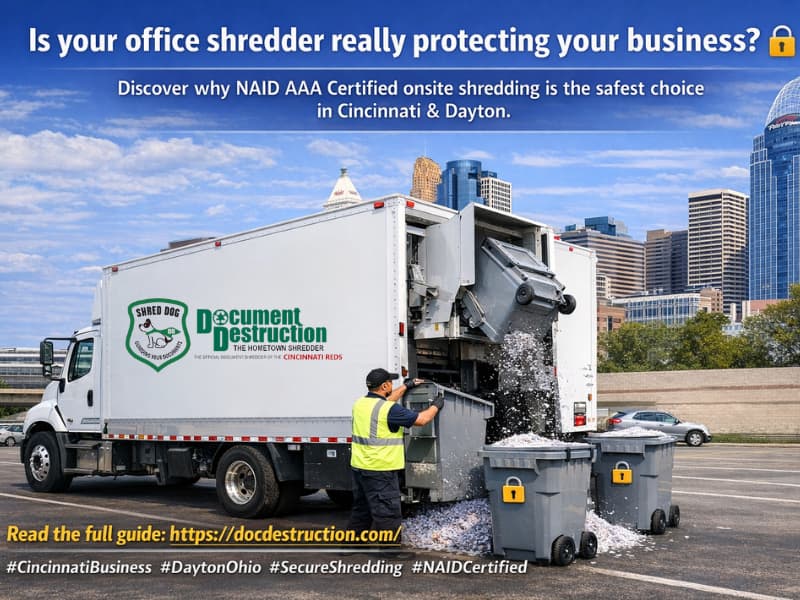
For large volumes or maximum security, expert help ensures complete destruction with documentation.
Hire a NAID-Certified Shredding Service
Professional services offer on-site or drop-off shredding with certificates of destruction. Look for NAID AAA certification, which ensures compliance with HIPAA, GDPR, and other privacy laws.
Costs typically range from one to two dollars per pound, with flat fees available for collection bins. This option is ideal for businesses, medical records, or legal documents.
Attend Free Community Shred Days
Many cities, banks, and recyclers host annual or quarterly shredding events. Bring documents in your car, with many events allowing up to five to ten bags per vehicle.
Search online for “free paper shredding event your city name” to find local options. Documents are shredded on-site with industrial machines at no cost.
Use Municipal Incineration Drop-Offs
Some municipalities offer secure drop boxes for confidential paper. Drop off bundled documents that are incinerated at high heat. Fees are often minimal or free.
Black out sensitive information before dropping off, and bundle documents securely with string or tape to prevent wind dispersal.
Choose the Right Method
| Method | Security Level | Effort Required | Best For |
| Professional Service | Highest | Low | Large volumes, high sensitivity |
| Blender Pulping | Very High | Medium | Small batches, sensitive docs |
| Burning | Very High | Medium | Immediate destruction |
| Washing Machine | High | Low | Medium batches, regular paper |
| Bleach Soak | High | High | Ink destruction, high risk |
| Hand Tearing | Low to Medium | High | Low sensitivity, few pages |
| Shredding Scissors | Medium | Medium | Bills, occasional use |
Final Tips for Maximum Security
Combine methods for irreversible destruction, such as soaking in bleach followed by tearing or burning. Always inspect your results. If you can read any text or piece documents together, repeat the process.
Never recycle shredded paper unless confirmed by your facility. Most centers cannot process tiny fragments or chemically treated paper. Mix destroyed documents with regular trash or compost if chemical-free.
For volumes exceeding one hundred pages, use community shred days or professional services. Manual methods become impractical and time-consuming for large batches.
Prioritize safety when using chemicals or fire. Wear gloves, goggles, and masks, and ensure proper ventilation. Never mix household chemicals.
Frequently Asked Questions About Shredding Paper Without a Shredder
Is hand tearing secure enough for sensitive documents?
Hand tearing alone provides low to medium security. Determined professionals can sometimes reconstruct torn documents like a jigsaw puzzle. For sensitive information, combine tearing with other methods like soaking, chemical treatment, or burning to ensure irreversibility.
Can I use my kitchen blender for paper pulping?
Yes, but dedicate that blender solely to document destruction. After pulping paper, the blender will contain ink residue and potentially toxic chemicals that make it unsafe for food preparation. Label the blender clearly and store it separately.
What is the fastest method for destroying paper without a shredder?
The washing machine method offers the best balance of speed and minimal effort for medium volumes. Simply place documents in a mesh bag, add bleach, and run a hot cycle. The agitation pulps the paper while you handle other tasks.
Can I compost paper after chemical treatment?
No. Chemically treated paper, including bleach-soaked documents, should never be composted. The chemicals contaminate the compost and can harm soil health. Only chemical-free pulped paper or fully burned ash residue is suitable for composting.
Are professional shredding services worth the cost?
For large volumes or highly sensitive documents like medical records, legal papers, or business data, professional services are worthwhile. NAID-certified shredding provides legal compliance documentation and peace of mind that DIY methods cannot match.
Key Takeaways for Shredding Paper Without a Shredder
Protecting your personal information doesn’t require owning a shredder. Water-based methods like soaking and blender pulping offer high security with moderate effort. Chemical treatments destroy both paper and ink but require safety precautions. Fire provides complete destruction but carries environmental concerns.
Choose your method based on document sensitivity, volume, and available resources. For maximum security, combine techniques. Always verify destruction before disposing, and prioritize safety when using chemicals or fire. Your privacy depends on thorough document destruction.