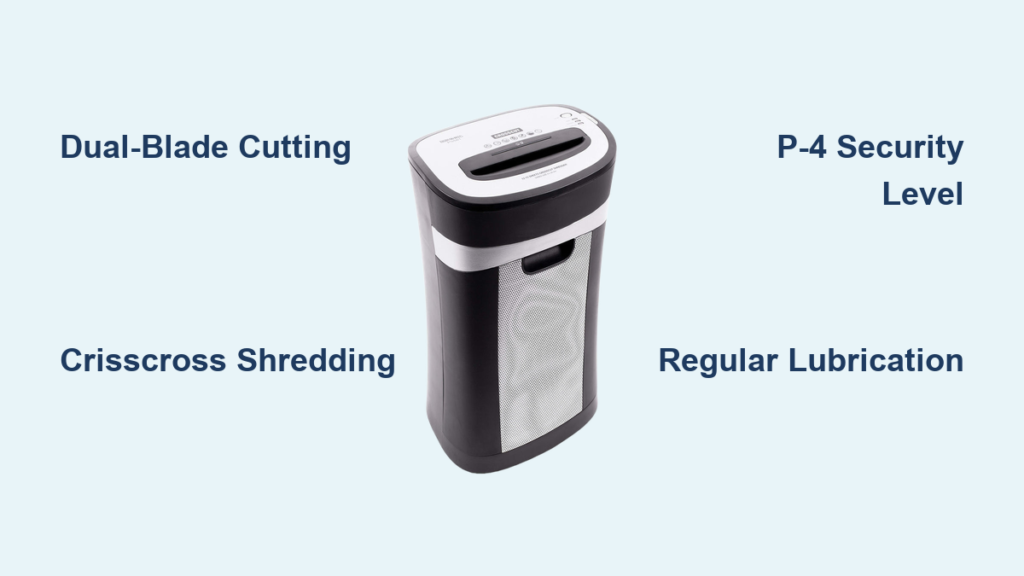
If you have ever fed a document into a shredder and watched it emerge as tiny confetti-like pieces, you have witnessed security in action. But what is really happening inside that humming machine? A cross-cut paper shredder uses precision engineering and dual-direction blades to turn sensitive documents into thousands of unreadable fragments, making reconstruction nearly impossible. This advanced destruction method is the gold standard for protecting personal data, financial records, and classified information.
In this guide, you will learn exactly how each component contributes to secure shredding, why cross-cut beats strip-cut for sensitive material, and how modern standards ensure your documents stay destroyed for good.
The Dual-Blade Cutting Mechanism
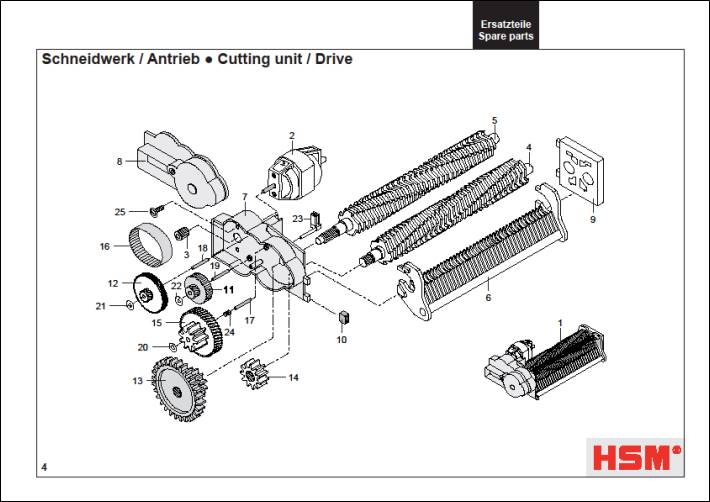
The key advantage of a cross-cut shredder lies in its dual-direction cutting system. While strip-cut models slice paper into long vertical strips that can be reassembled, cross-cut shredders deploy two sets of offset interlocking blades that cut in perpendicular directions.
How the Crisscross Cutting Works
First, as paper enters the feed slot, the initial blade set makes vertical cuts down the length of the sheet. Immediately after, secondary blades slice across the width, creating small rectangular particles. This crisscross motion reduces a single A4 page into hundreds or even thousands of tiny pieces, depending on the security level.
For example:
– A P-3 model produces about 200 shreds per page
– A high-security P-7 unit can generate up to 15,600 micro-shreds from one sheet
These dimensions often measure as small as 1mm by 5mm, meeting NSA standards for top-secret document destruction. Because text is fragmented in both directions, reconstructing the original document becomes extremely difficult, even with advanced software or forensic tools.
Security Levels and Particle Size

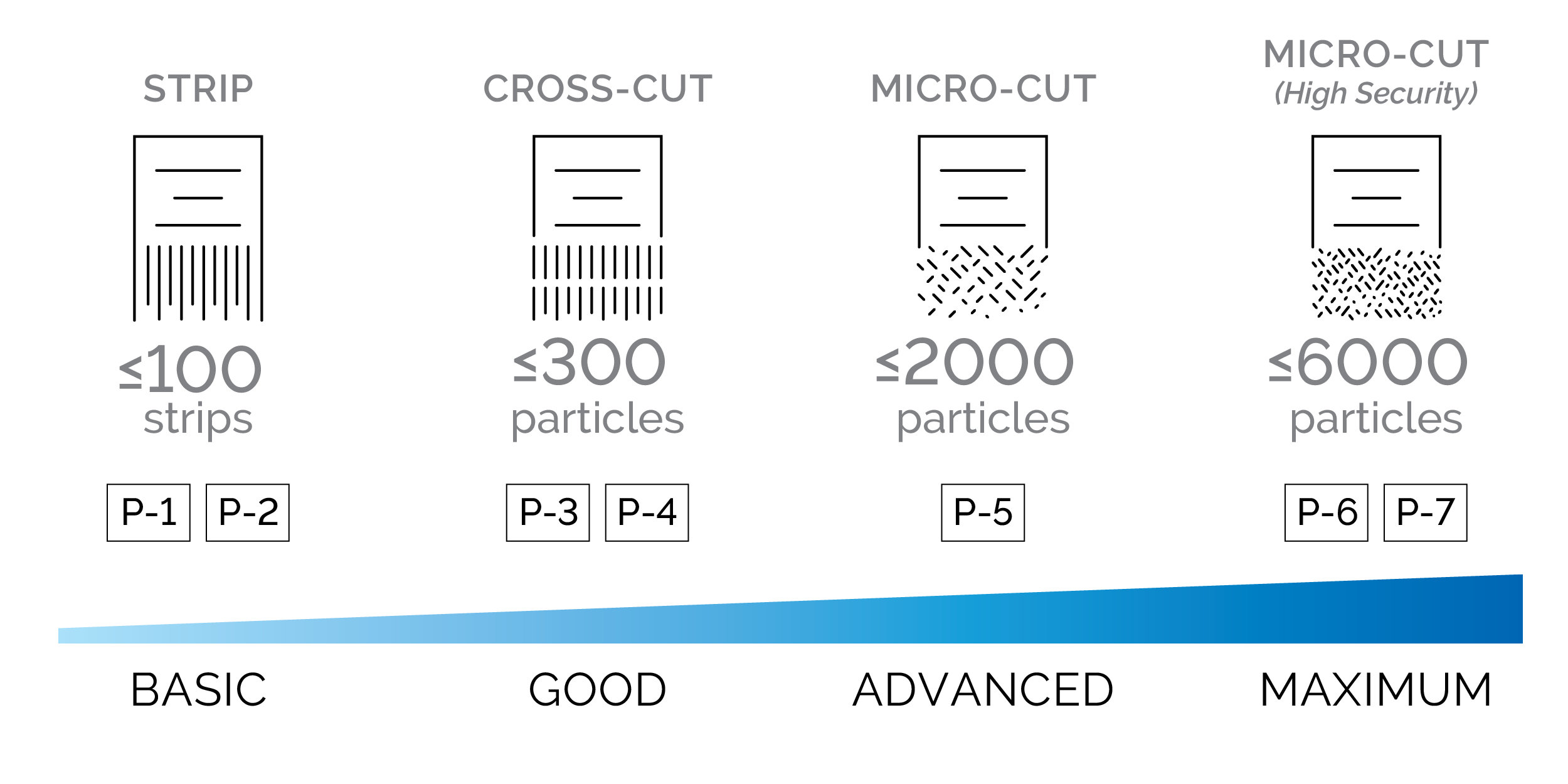
Smaller particles mean higher security. The DIN 66399 and ISO/IEC 21964 standards classify shredders from P-1 to P-7 based on maximum particle size and surface area:
| Security Level | Cut Type | Max Particle Size | Use Case |
|---|---|---|---|
| P-2 | Strip-Cut | 12mm wide strips | Junk mail, non-sensitive drafts |
| P-3 | Cross-Cut | 5/16 inch by 3 inch | Emails, general office documents |
| P-4 | Super Cross-Cut | 1/8 inch by 1 inch | HR files, contracts |
| P-5 | Micro-Cut | 1/16 inch by 1/4 inch | Bank statements, medical records |
| P-7 | High Security | 1mm by 5mm | Government, military intelligence |
Choosing the right level depends on the sensitivity of your data. For GDPR, HIPAA, or FACTA compliance, P-4 or higher is strongly recommended.
Inside the Motor and Gear System
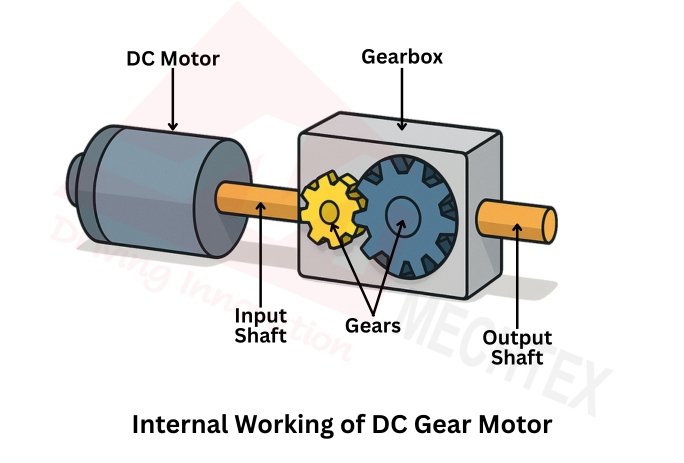
Beneath the sleek exterior of a cross-cut shredder lies a powerful mechanical system built to handle stacks of paper without stalling. The heart of this system is the universal motor, chosen for its high starting torque and ability to run efficiently under sudden load.
Universal Motor Performance
Most cross-cut shredders use a universal motor operating at 240 volts, 50 Hz (or 120V/60Hz in North America) with power ratings between 180W and 400W. Unlike permanent magnet motors, universal motors have electromagnets in both the stator and rotor, allowing them to maintain consistent rotation on AC power. This design delivers strong initial torque, which is critical when feeding multiple sheets at once.
Even in cases of mechanical failure, the motor often remains intact. Many repairable units have fully functional motors despite worn gears or stripped transmissions.
Gear Reduction for Maximum Torque
Since the motor spins too fast for direct blade engagement, a multi-stage gear train reduces speed while multiplying torque. This ensures the blades can cut through thick paper stacks without jamming.
Typical gear stages include:
– Stage 1: 5-tooth pinion drives 25-tooth gear (5:1 reduction)
– Stage 2: 10-tooth drives 50-tooth gear (another 5:1 reduction)
– Optional Stage 3: Further reduction for heavy-duty models
With a cumulative ratio exceeding 100:1, the output shaft turns slowly but with immense force, ideal for sustained cutting. However, the final gear stage is a common failure point. Overloading the machine (feeding more than 12 sheets) can strip metal teeth, breaking the transmission chain.
Pro Tip: Always follow the manufacturer sheet capacity rating to avoid premature gear wear.
Sensor Logic and Safety Controls
Modern cross-cut shredders are not just powerful, they are intelligent. Built-in sensors manage operation, prevent jams, and protect users from injury. These systems make the shredder responsive, safe, and energy-efficient.
Dual-Sensor Activation System
Two primary sensors control operation:
Feed Sensor Detects Paper Entry
Located at the throat of the feed slot, this sensor activates the motor the moment paper touches the cutting head. Once triggered, the rollers pull the document in automatically. When the last piece clears the blades, the feed sensor no longer detects material, and the motor shuts off, saving energy and reducing wear.
Lid Safety Interlock Prevents Accidents
A second sensor sits on the bottom of the shredder head. It checks whether the unit is securely locked onto the waste bin. If the head is lifted, even slightly, the circuit breaks instantly, stopping the blades. This fail-safe mechanism prevents accidental hand insertion and meets international safety standards.
Some high-end models add:
– Proximity sensors that halt operation if a hand nears the feed opening
– Jam detection sensors that reverse the motor when resistance exceeds normal levels
Emergency Stop and Auto-Reverse Features
Many units include a manual emergency shutoff button for immediate power cut. Others feature auto-reverse technology: if a paper jam occurs, the motor reverses briefly to clear the blockage before resuming forward motion. This reduces user intervention and protects internal components.
Warning: Never bypass safety sensors. Doing so turns a secure device into a dangerous hazard.
Cross-Cut vs Strip-Cut: Key Differences
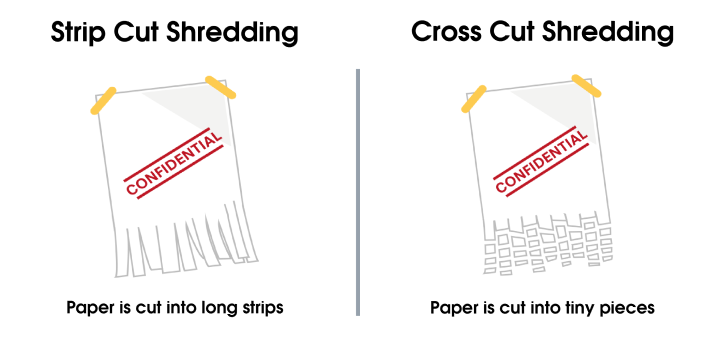
When choosing a shredder, the decision often comes down to cross-cut vs strip-cut. While both destroy paper, their security, capacity, and usability differ significantly.
Security: Confetti vs Spaghetti
| Feature | Strip-Cut | Cross-Cut |
|---|---|---|
| Cut Pattern | Vertical strips only | Vertical plus horizontal cuts |
| Output Shape | Long, spaghetti-like strands | Small, confetti-sized rectangles |
| Shreds Per Page | About 40 | 200 to 15,600+ |
| Reassembly Risk | High (manual reconstruction possible) | Extremely low (especially P-5 and above) |
| Recommended Use | Junk mail, expired coupons | IDs, tax forms, medical records |
Strip-cut shredders are cheaper and faster, but their long strips can be reassembled, sometimes by hand. During the 1979 Iran hostage crisis, Iranian students reconstructed shredded U.S. embassy documents using skills from Persian carpet weaving. That incident forced governments worldwide to adopt cross-cut and micro-cut standards.
Bin Capacity and Efficiency
Cross-cut shreds pack tightly due to their small size, allowing bins to hold up to 60% more volume than strip-cut models. This means fewer trips to empty the bin, ideal for busy offices.
However, cross-cut models tend to run slower due to the dual-cutting process. High-end industrial units compensate with continuous-duty motors, but home models may require cool-down periods after heavy use.
Bottom Line: For any sensitive data, cross-cut is the minimum acceptable standard.
Maintenance for Longevity and Performance
Even the best cross-cut shredder will fail prematurely without proper care. Regular maintenance keeps blades sharp, motors cool, and jams at bay. Neglect leads to overheating, stripped gears, and costly repairs.
Lubrication: Why Oiling Matters
Paper fibers create friction and dust, which dull blades and increase motor strain. Shredder oil reduces wear and prevents overheating.
Oil Frequency Guidelines
- Light Use (1 to 2 times per week): Oil every 2 months
- Moderate Use (daily): Oil every time you empty the bin
- Heavy Use (multiple batches per day): Oil every 15 to 30 minutes of operation
Use only shredder-specific oil, never household lubricants like WD-40, which can gum up blades.
Automated Oiling Systems
High-end models feature auto-oiling technology that dispenses precise amounts of oil during operation. This eliminates guesswork and extends blade life significantly.
Pro Tip: Run 2 to 3 strips of oiled paper through the machine after manual oiling to distribute the lubricant evenly.
Jam Prevention and Clearing
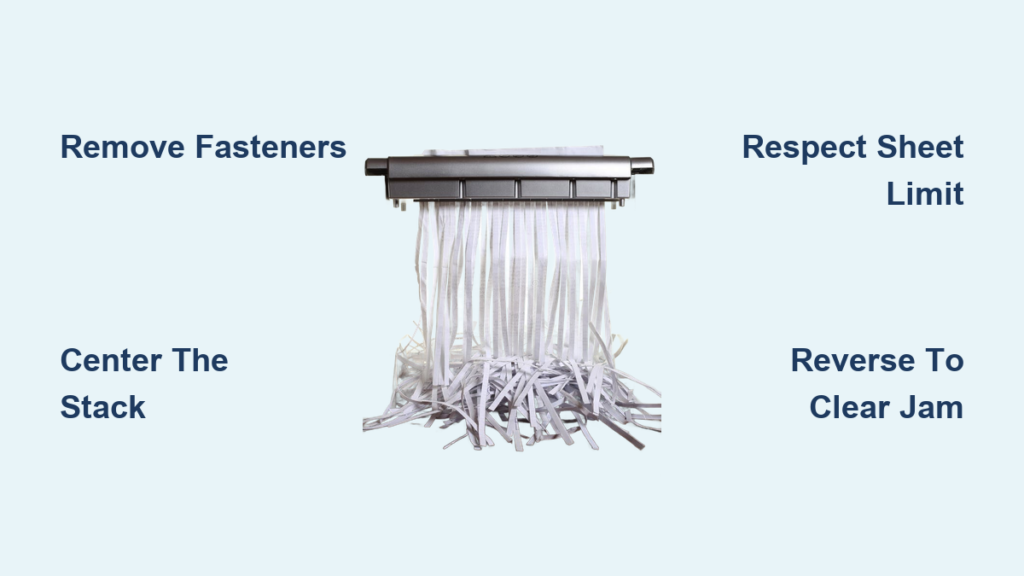
Jams usually occur from overfeeding, misaligned paper, or lack of lubrication. To avoid them:
– Do not exceed the rated sheet capacity
– Feed documents straight, not tilted
– Shred one stack at a time
If a jam happens:
1. Press the Reverse button to eject paper
2. Carefully pull out any visible fragments
3. Resume in Forward mode once cleared
Never stick fingers or tools into the feed slot while powered.
Choosing the Right Cross-Cut Shredder
Selecting a model that fits your needs ensures reliable performance and long-term security. Consider these six key factors before buying.
Match Security Level to Data Sensitivity
Ask: What kind of documents will you shred?
– Personal use (bills, statements): P-3 or P-4
– Small business (invoices, client data): P-4 or P-5
– Legal, medical, or government: P-6 or P-7
For GDPR or HIPAA compliance, P-4 or higher is essential.
Evaluate Sheet Capacity and Duty Cycle
Check the maximum sheet capacity (for example, 12-sheet cross-cut). Exceeding this risks gear damage. Also consider the duty cycle:
– Intermittent use: 5 to 10 minutes of operation, then cool-down
– Continuous duty: Designed for non-stop shredding (common in industrial units)
Prioritize Safety and Smart Features
Look for:
– Lid safety sensor
– Auto-start and stop
– Overheat protection
– Anti-jam reverse function
– Casters for mobility (especially for large bins)
Check Warranty and Build Quality
A 3 to 5 year warranty on the motor and a 1 to 2 year warranty on parts indicate confidence in durability. Metal gears last longer than plastic ones, especially in high-use environments.
Real-World Security: Forensics and Reconstruction
Even shredded documents are not always gone for good. Skilled adversaries can attempt reconstruction, especially if the wrong type of shredder is used.
Can Shredded Documents Be Reassembled?
Yes, but difficulty depends on particle size.
During the Enron scandal, investigators found many shredded documents were fed parallel to the blades, leaving long text fragments intact. Proper technique (feeding paper perpendicular to the cut) maximizes fragmentation and minimizes recovery chances.
Forensic techniques include:
– Manual sorting (used in 1979 Iran crisis)
– Digital edge-matching software that aligns paper contours
– Hybrid human-AI systems like the one that won the DARPA Shredder Challenge in 2011
However, P-5 and higher models produce particles so small that reconstruction is impractical without nation-state resources.
Shredder Fingerprints in Forensics
Each shredder leaves unique marks:
– Blade spacing patterns
– Microscopic nicks and wear on cutting edges
– Slight variations in particle size
These act like a mechanical fingerprint, allowing forensic experts to match recovered shreds to a specific machine, just like matching bullets to a gun.
Industrial and Compliance Applications
Beyond desktop units, cross-cut shredding plays a critical role in large-scale data protection and regulatory compliance.
Mobile Shredding Trucks and Services
Organizations with high-volume needs use mobile shredding trucks equipped with industrial cross-cut or micro-cut shredders. These units:
– Process millions of pages per hour
– Shred paper, CDs, hard drives, and uniforms
– Provide certificates of destruction for audit trails
– Comply with EN15713, HIPAA, and FACTA
The shredded material is often baled and sent to recycling facilities.
Wet Shredders and Burn Bags
In extreme cases:
– Wet shredders mix paper with water to create pulp, rendering reconstruction impossible (used in former East Germany)
– Burn bags allow secure incineration of documents without mechanical shredding
Both methods are used in military and intelligence operations.
Recycling and Environmental Impact
Cross-cut shreds are ideal for recycling due to their compact size. Recycled shredded paper is used to make:
– Insulation (mixed with flame retardants)
– Packaging materials
– Cardboard
– Animal bedding
Always recycle shredded paper in breathable bags. Plastic bags can clog sorting machines.
Frequently Asked Questions About Cross-Cut Shredders
What makes cross-cut different from strip-cut shredders?
Cross-cut shredders use two sets of blades that cut paper both vertically and horizontally, producing small rectangular particles. Strip-cut shredders use only vertical cuts, creating long spaghetti-like strips. Cross-cut offers significantly higher security because the smaller particles are much harder to reconstruct.
How small are the particles produced by a cross-cut shredder?
Particle size depends on the security level. P-3 cross-cut models produce particles around 5/16 inch by 3 inch. P-5 micro-cut models produce particles about 1/16 inch by 1/4 inch. P-7 high-security models produce particles as small as 1mm by 5mm, meeting NSA specifications for top-secret material.
Can cross-cut shredders handle staples and paper clips?
Some heavy-duty industrial models can shred small metal objects, but most office cross-cut shredders should only process plain paper. Staples and paper clips can damage the blades and void the warranty. Remove all fasteners before shredding unless your model specifically states it can handle them.
How often should I oil my cross-cut shredder?
Oiling frequency depends on usage. Light use (1 to 2 times per week) requires oiling every two months. Daily moderate use requires oiling every time you empty the bin. Heavy continuous use requires oiling every 15 to 30 minutes. Always use shredder-specific oil, never WD-40 or household lubricants.
What is the lifespan of a cross-cut shredder?
With proper maintenance, a quality cross-cut shredder lasts 5 to 10 years. The motor often outlasts other components, but gears and blades wear down over time. Regular oiling, avoiding overloading, and following manufacturer guidelines extend the lifespan significantly.
Is cross-cut necessary for home use?
Yes, cross-cut is recommended even for home use if you shred any sensitive documents. This includes bank statements, medical records, tax documents, and anything with personal identification. Strip-cut models leave long strips that can be reassembled, posing an identity theft risk.
Key Takeaways for Understanding Cross-Cut Shredders
A cross-cut paper shredder works by combining mechanical precision, intelligent sensors, and layered security to destroy documents beyond recognition. Its dual-blade system slices paper vertically and horizontally, producing tiny particles that resist reconstruction. Backed by powerful motors, gear reduction systems, and safety interlocks, it offers far superior protection over strip-cut models.
The security level you choose should match the sensitivity of your documents. P-4 or higher is essential for compliance with GDPR, HIPAA, and other data protection regulations. Regular maintenance, particularly oiling, keeps the machine running smoothly and extends its lifespan.
Whether for home, office, or government use, choosing the right security level, maintaining the machine properly, and feeding documents correctly ensures your sensitive data stays protected. In an age of identity theft and data breaches, a quality cross-cut shredder is not just convenient, it is essential.