
You might think shredding paper is a harmless chore—quick, quiet, and safe. But every time the blades spin, your paper shredder releases invisible particles so small they can bypass your body’s natural defenses. These ultrafine dust particles, often smaller than 100 nanometers, pose serious respiratory risks, create fire hazards, and may carry toxic residues from ink and toner. Despite being labeled a “nuisance hazard” by OSHA, modern research shows paper shredder dust is far more dangerous than previously believed, especially in poorly ventilated offices.
This isn’t just about clutter or privacy. It’s about health, safety, and smart workplace design. Studies confirm that manual stirring of shredded paper releases more airborne particles than the shredding process itself, with concentrations exceeding 2.5 × 10⁵ particles/cm³. These particles penetrate deep into the lungs, increasing risks for asthma, bronchitis, and even long-term cardiopulmonary damage, particularly for those with pre-existing conditions. Beyond health, accumulated dust inside shredders has caused fires due to overheating motors and static sparks.
In this guide, you’ll learn how paper shredder dust forms, why it’s hazardous, and what you can do to protect yourself and your workspace. From particle size to fire risks, we’ll break down the science and deliver actionable steps to minimize exposure, whether you’re shredding at home or managing office operations.
Ultrafine Dust: What Shredding Releases

Paper shredders don’t just cut documents; they aerosolize them into breathable hazards. The dust isn’t just paper fiber. It’s a complex mix of ultrafine cellulose, chemical residues, and microscopic particles that linger in the air long after shredding stops.
Nanoparticles Penetrate Deep Lungs
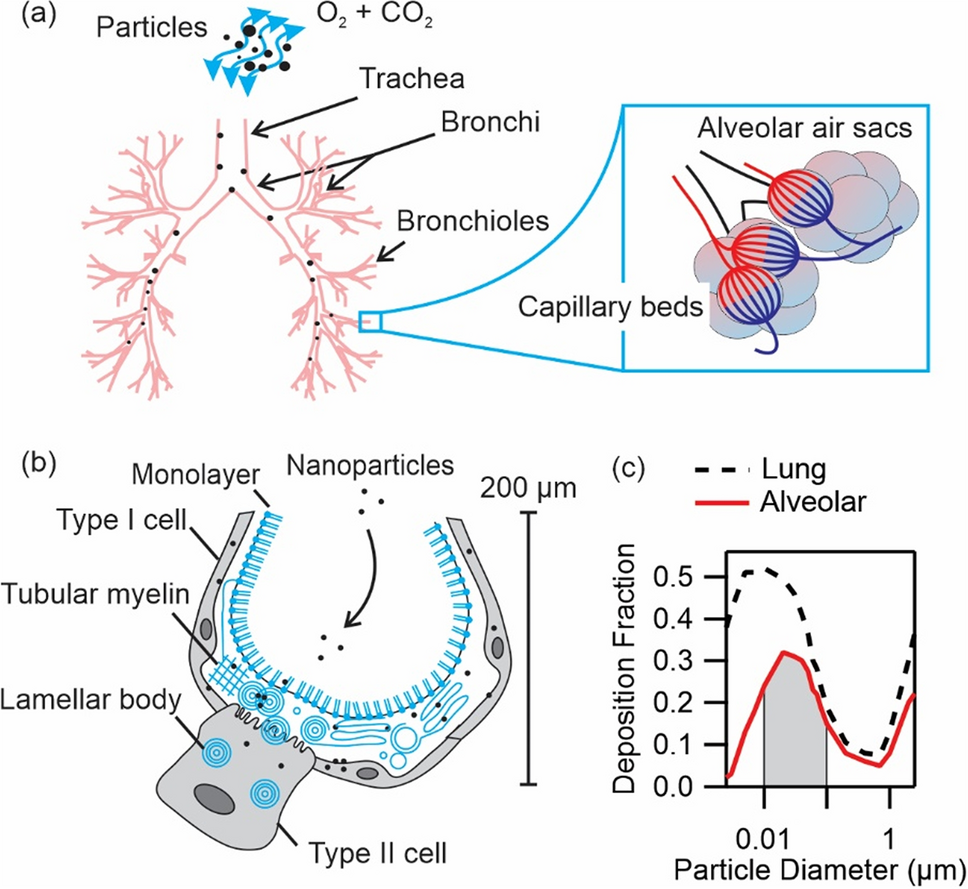
Shredding generates particles as small as 27 nm, with most clustering around 36 nm. These nanoparticles easily bypass nasal filters and travel deep into the alveoli, the delicate air sacs in your lungs. Once lodged, they can trigger inflammation, oxidative stress, and even enter the bloodstream. Coated or glossy paper produces even smaller particles due to layered structures breaking apart during cutting.
Unlike larger dust, ultrafine particles have a high surface-area-to-volume ratio, making them more reactive and toxic. They also remain suspended in indoor air for hours, especially in low-ventilation offices where air exchange rates are often below 7.5 L/s-m², increasing exposure risk long after use.
Micron-Sized Fibers and Agglomerates
Larger particles (0.3–10 μm) are also released in high concentrations. Uncoated paper produces more of these micrometer-sized fibers than coated paper. These include:
- Fibrous cellulose strands from paper pulp
- Irregular agglomerates of torn fibers and coatings
- Rounded submicron structures from printed or laminated sheets
Particles over 5 μm may be trapped in the upper airway, but those between 0.5–2.5 μm settle in the bronchioles, contributing to chronic irritation and reduced lung function over time.
Dust Peaks During Manual Handling
Here’s a critical fact: stirring shredded paper releases more dust than shredding itself. When you fluff or transfer waste, you disturb settled particles, sending a fresh plume into the air. In controlled tests, stirring spiked nanoparticle counts above 2.5 × 10⁵ particles/cm³, higher than during continuous shredding. This means the most dangerous moment isn’t when the machine runs, but when you clean up.
Pro Tip: Never stir shredded paper by hand. Use a sealed container and gently pour; don’t shake or fluff.
Health Risks of Inhaling Shredded Paper Dust
Breathing in paper dust isn’t just uncomfortable; it’s a documented health hazard. From immediate irritation to long-term lung damage, the risks are real and often underestimated in office environments.
Immediate Respiratory and Eye Irritation
Even short exposure can cause:
- Sore throat and coughing
- Nasal congestion and sneezing
- Watery, burning eyes
- Skin itching or rashes
These symptoms are common among office workers near high-volume shredding stations and are often mistaken for allergies or dry air. But they’re signs of direct particulate exposure.
Chronic Lung Conditions from Long-Term Exposure
Repeated inhalation of fine paper dust is linked to:
- Occupational asthma (new-onset or worsened)
- Chronic bronchitis
- Reduced lung capacity
- Hypersensitivity pneumonitis (“brown lung” in extreme cases)
Postal workers and print shop employees historically show higher rates of respiratory disease due to constant paper dust exposure. The fibrous nature of cellulose can cause mechanical irritation and persistent inflammation in lung tissue.
Toner and Ink: Hidden Toxins in the Dust
Paper isn’t the only concern. Documents printed with laser toner or inkjet inks carry chemical residues that aerosolize during shredding:
- Toner particles contain polymers, carbon black, and trace metals such as iron and aluminum
- Ink fumes release volatile organic compounds (VOCs), some of which are classified as carcinogens
- Coated papers may include plastic films or optical brighteners that degrade into harmful byproducts
While modern toners are safer than older versions, their fine particle size (under 1 μm) allows deep lung penetration. Combined with paper dust, they amplify toxicity.
Who’s Most at Risk?
Certain individuals face higher danger:
- Asthmatics and allergy sufferers: Dust acts as an irritant and trigger
- Elderly or immunocompromised: Reduced lung clearance and immune response
- Frequent users: Admin staff, compliance officers, or home-based shredders
Expert Note: OSHA classifies paper fiber as a “nuisance dust,” but this label doesn’t account for ultrafine particles, chemical additives, or indoor concentration buildup.
Fire Hazards: When Dust Becomes Fuel
Paper dust isn’t just a health issue; it’s a fire hazard. Fine particles suspended in air or accumulated inside a shredder can ignite with surprising ease.
Why Paper Dust Is Highly Combustible
Dust from shredding has a massive surface area relative to volume, making it far more flammable than whole paper. When dispersed in air, it can form an explosive mixture. Even settled dust acts as kindling when near heat sources.
Key risk factors:
- Particle size under 500 μm: Ideal for rapid combustion
- Low ignition energy: A small spark can set it off
- Oxygen-rich environment: Inside shredder housings or waste bins
Common Ignition Sources in Shredders
Fires typically start from:
- Motor overheating due to prolonged use
- Blade friction from lack of oiling
- Electrical surges or short circuits
- Sparks during jam clearing
Even after shutdown, residual heat in a dusty machine can slowly bake particles until they smolder and ignite.
Real-World Fire Triggers
- Overuse without cooldown: Running a shredder for 30+ minutes without rest
- Dust buildup in housing: Forgotten cleaning allows layers to accumulate
- Paper jams left unresolved: Trapped material rubs and heats up
- Staples or paper clips: Metal objects can spark when cut
Warning: Never leave a warm shredder unattended, especially if it’s dusty.
Preventing Shredder-Related Fires
You can significantly reduce fire risk with simple, consistent practices. Most shredder fires are preventable with basic maintenance and operational discipline.
Clean and Oil Your Shredder Weekly
- Unplug the unit before cleaning
- Use a small brush or compressed air to remove dust from blades and motor area
- Wipe interior surfaces with a dry cloth
- Apply shredder oil every 30–40 uses or weekly in high-volume settings
Oiling reduces friction, lowers operating temperature, and prevents static buildup.
Follow Run-Time and Cooldown Rules
- Limit continuous use to 10–30 minutes (check your model’s specs)
- Allow 20–30 minutes of cooldown before resuming
- Avoid back-to-back shredding sessions
Automatic shut-off features help, but they don’t eliminate residual heat risk.
Place Shredders in Safe Locations
- Keep away from flammable materials such as paper stacks, curtains, and solvents
- Use in well-ventilated areas to disperse heat and dust
- Avoid carpeted floors, since dust can accumulate underneath
Pro Tip: Use a fire-resistant shredder bin or metal container for waste collection.
Avoiding Physical Injuries from Shredders
Shredders are powerful machines with exposed blades. Injuries happen fast, often during jam clearing or accidental activation.
Lacerations and Amputations Are Common
Fingers, jewelry, hair, and clothing can be pulled into the intake slot in milliseconds. Injuries range from minor cuts to partial finger amputations. Children and pets are especially vulnerable at home.
Auto-On Sensors Increase Risk
Many modern shredders activate when paper is detected. But loose fabric, cords, or fingers near the slot can trigger the blades unexpectedly.
Safe Jam Clearing Procedures
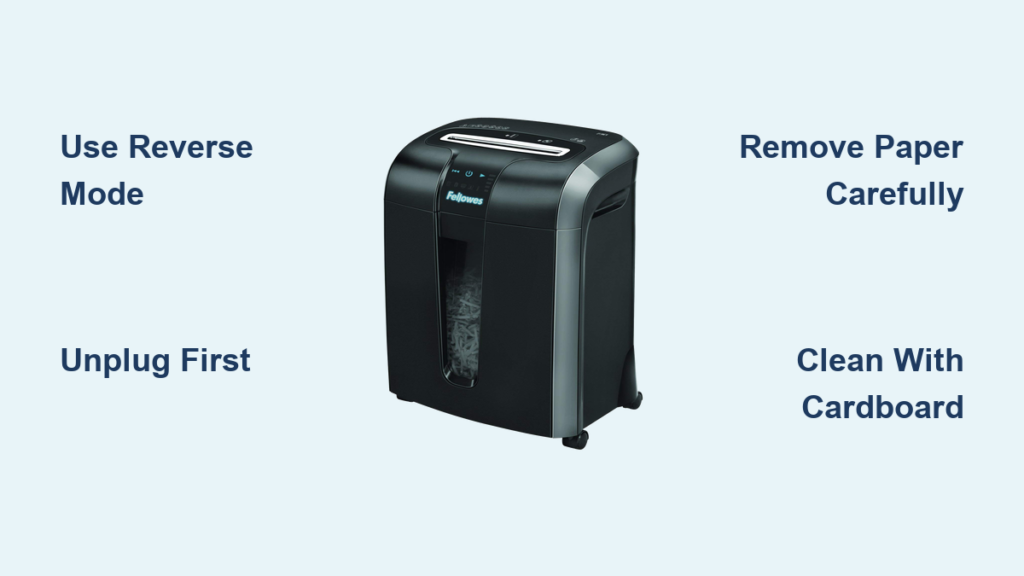
- Turn off and unplug the shredder
- Wait 30 seconds for blades to stop
- Use reverse mode first to back out paper
- If stuck, use tongs or pliers; never fingers
- Inspect for staples or obstructions
Critical Rule: Never reach into the shredder while it’s plugged in.
Best Practices for Safer Shredding
You don’t have to stop shredding; just do it smarter. These strategies reduce dust, fire, and injury risks.
Use Enclosed, HEPA-Equipped Shredders
Choose models with:
- Sealed waste bins to contain dust
- Built-in HEPA filters that capture 99.97% of particles ≥0.3 μm
- Cool-down timers and overload protection
These features minimize airborne release and prevent overheating.
Never Stir or Fluff Shredded Paper
This single action releases the highest dust concentrations. Instead:
- Gently lift and pour waste into a sealed bag
- Use a dedicated disposal container with a lid
- Empty bins outdoors when possible
Wear a Dust Mask for Frequent Use
For daily or high-volume shredding, wear an N100 or P100 respirator. Standard surgical masks won’t stop nanoparticles.
Note: Cloth or surgical masks filter only large particles. N95+ is needed for fine dust.
Shred in Small Batches
- Feed 10–20 sheets at a time
- Pause between batches to let dust settle
- Avoid overfilling the hopper
This reduces heat, jams, and particle spikes.
Safer Alternatives to In-House Shredding
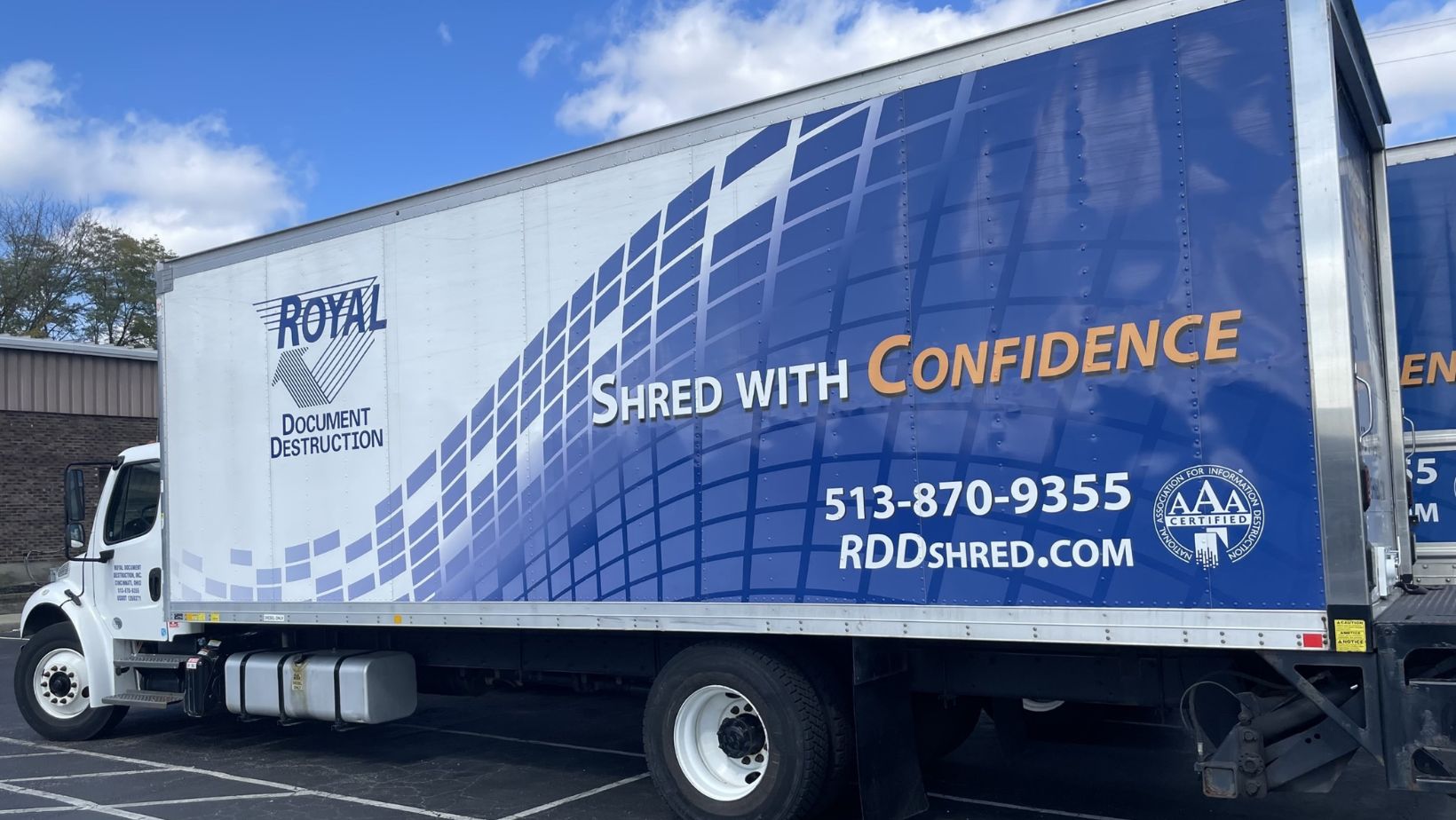
The most effective way to eliminate risk? Stop shredding on-site altogether.
Use Professional Document Destruction Services
Benefits include:
- Zero on-site dust or fire risk
- Industrial-grade shredding with full containment
- Chain-of-custody tracking and audit-ready certificates
- Compliance with HIPAA, FACTA, GLBA, and CCPA
These services use locked bins, secure transport, and cross-cut or particle shredding for maximum security.
Go Digital to Reduce Paper Volume
Digitize records and:
- Minimize printing
- Use electronic signatures
- Store files in encrypted cloud systems
Fewer documents means less shredding and lower exposure.
Pro Tip: Schedule quarterly professional shredding instead of daily in-house use.
Regulatory and Compliance Considerations
Ignoring shredder risks isn’t just unsafe; it can be illegal.
Legal Requirements for Data Security
Laws like HIPAA, FACTA, and California Civil Code 1798.91 require secure destruction of personal and health data. In-house shredding without verification lacks an audit trail.
- Certificates of Destruction from professional services provide legal proof
- DIY shredding may not meet compliance standards for cross-cut size or documentation
Employer Liability for Health and Safety
OSHA’s “nuisance dust” classification doesn’t absolve employers from protecting workers. If employees develop respiratory issues linked to paper dust, companies could face:
- Workers’ comp claims
- OSHA citations for unsafe conditions
- Lawsuits for negligence
Providing PPE, ventilation, and safe equipment is a legal responsibility.
Frequently Asked Questions About Paper Shredder Dust Hazards
Is paper shredder dust actually dangerous to breathe?
Yes. Research shows shredding releases ultrafine particles as small as 27 nm, which penetrate deep into the lungs. Manual stirring of shredded paper can spike concentrations above 2.5 × 10⁵ particles/cm³, exceeding safe exposure thresholds and increasing risks for asthma, bronchitis, and long-term lung damage.
Can paper shredder dust cause a fire?
Yes. Fine paper dust is highly combustible due to its high surface-area-to-volume ratio. Accumulated dust inside shredders can ignite from motor overheating, blade friction, or electrical sparks. Regular cleaning and oiling significantly reduce this risk.
What type of mask protects against paper shredder dust?
An N100 or P100 respirator is recommended for frequent shredding. Standard surgical and cloth masks only filter larger particles and cannot block nanoparticles under 100 nm, which make up a significant portion of shredder emissions.
Why does stirring shredded paper release more dust than shredding?
Stirring disturbs particles that have settled on and within the shredded material, sending them airborne in a concentrated plume. Studies show this activity generates higher particle concentrations than the mechanical shredding process itself, making waste handling the most dangerous moment.
Are coated or glossy papers more hazardous to shred?
Coated papers release smaller nanoparticles (mode size around 27 nm) that penetrate deeper into the lungs. Uncoated papers release more micrometer-sized fibers, which cause upper-airway irritation. Both types contribute to respiratory risk.
Does OSHA regulate paper shredder dust exposure?
OSHA currently classifies paper fiber as a “nuisance dust” without specific exposure limits. However, this classification doesn’t account for ultrafine particles, toner residues, or chemical additives present in modern documents, leaving workers potentially underprotected.
Final Recommendations: Reduce Your Paper Shredder Dust Risk Now
Paper shredder dust is more than a mess; it’s a hidden hazard with real consequences. But with the right knowledge and tools, you can protect your health, your data, and your workplace.
Immediate Actions to Take:
- Stop stirring shredded paper; it’s the dustiest step
- Clean and oil your shredder this week
- Wear an N100 mask if you shred daily
- Switch to a sealed, HEPA-filtered model
Long-Term Strategy:
- Outsource shredding to certified professionals
- Digitize documents to reduce paper dependency
- Train staff on safe shredding practices
The safest shredder is the one you don’t have to use. By upgrading your approach, you eliminate dust at the source, protecting lungs, preventing fires, and ensuring compliance.
Final Note: Don’t wait for a cough, a jam, or a spark. Address paper shredder dust hazards today, before they turn into emergencies.