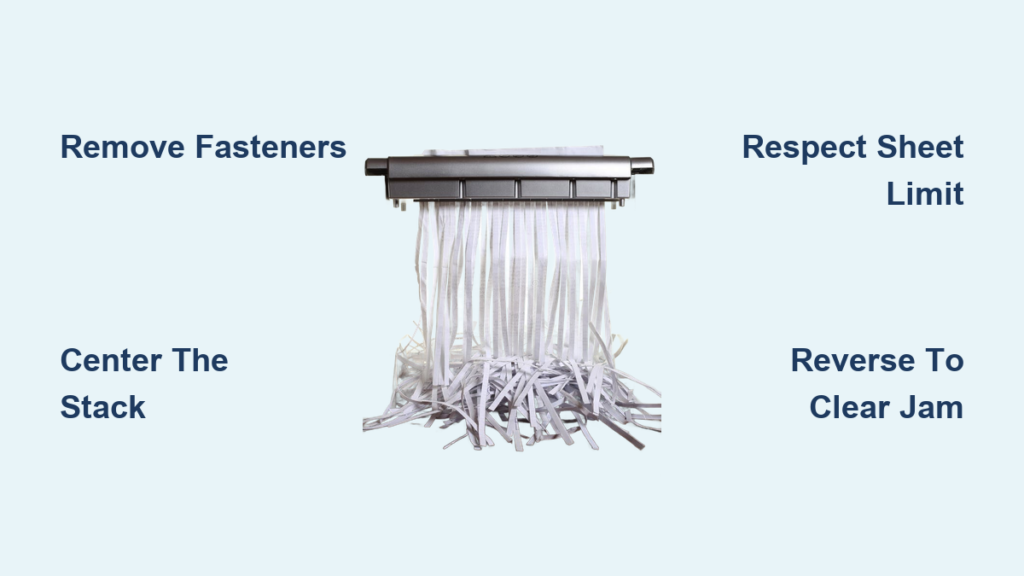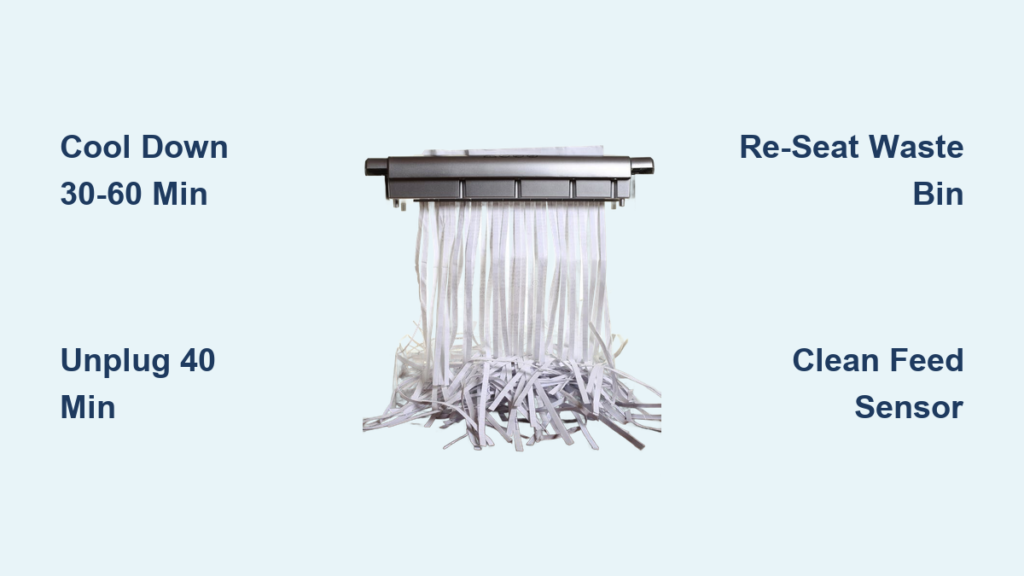
Shredded paper is a common byproduct of office work, home organization, and identity protection, but it is one of the most misunderstood materials in recycling. While regular paper ranks among the most recyclable items, shredded paper poses unique challenges that prevent it from going directly into curbside bins. Loose shreds fall through sorting machinery, contaminate other streams, and create operational headaches at recycling facilities. The good news is that shredded paper can be recycled when handled correctly.
This guide covers exactly how to recycle shredded paper the right way. You will learn proper containment methods, where to find drop-off locations, composting alternatives, and smart strategies to reduce shredding altogether. By following these steps, you will protect recycling systems, preserve paper quality, and keep sensitive data secure.
Contain Shredded Paper Properly

Proper containment is non-negotiable when recycling shredded paper. Loose shreds are treated as contamination in most Material Recovery Facilities because they fall through conveyor screens, mix with glass, and become airborne. Securing the material ensures it reaches the paper recycling stream intact.
Choose the Right Container
Two types of containers are widely accepted at recycling facilities.
Clear plastic bags are preferred by many facilities, including Rumpke and San Jose Recycles, because workers can visually confirm the contents are purely paper. This is the only instance where plastic bags are permitted in the recycling stream.
Sealed paper bags are accepted in areas like Ann Arbor and Cuyahoga County. Always verify which container type your local facility accepts before proceeding.
Seal Bags Securely
A poorly sealed bag defeats the entire purpose of containment. During transport, loose shreds can escape and cause contamination problems in sorting plants.
For plastic bags, tie a double knot or seal with tape or staples. For paper bags, fold the top and secure with tape or staples. Never rely on folding alone, as shreds will escape during handling.
Exclude Contaminants
Only place clean, dry shredded paper in the container. Remove plastic window envelopes from envelopes before shredding. Small amounts of staples and paperclips are usually tolerated, but remove them when possible. Avoid glossy or colored paper with heavy ink, as well as thermal paper receipts, which contain BPA and should go in the trash.
Find Drop-Off Locations
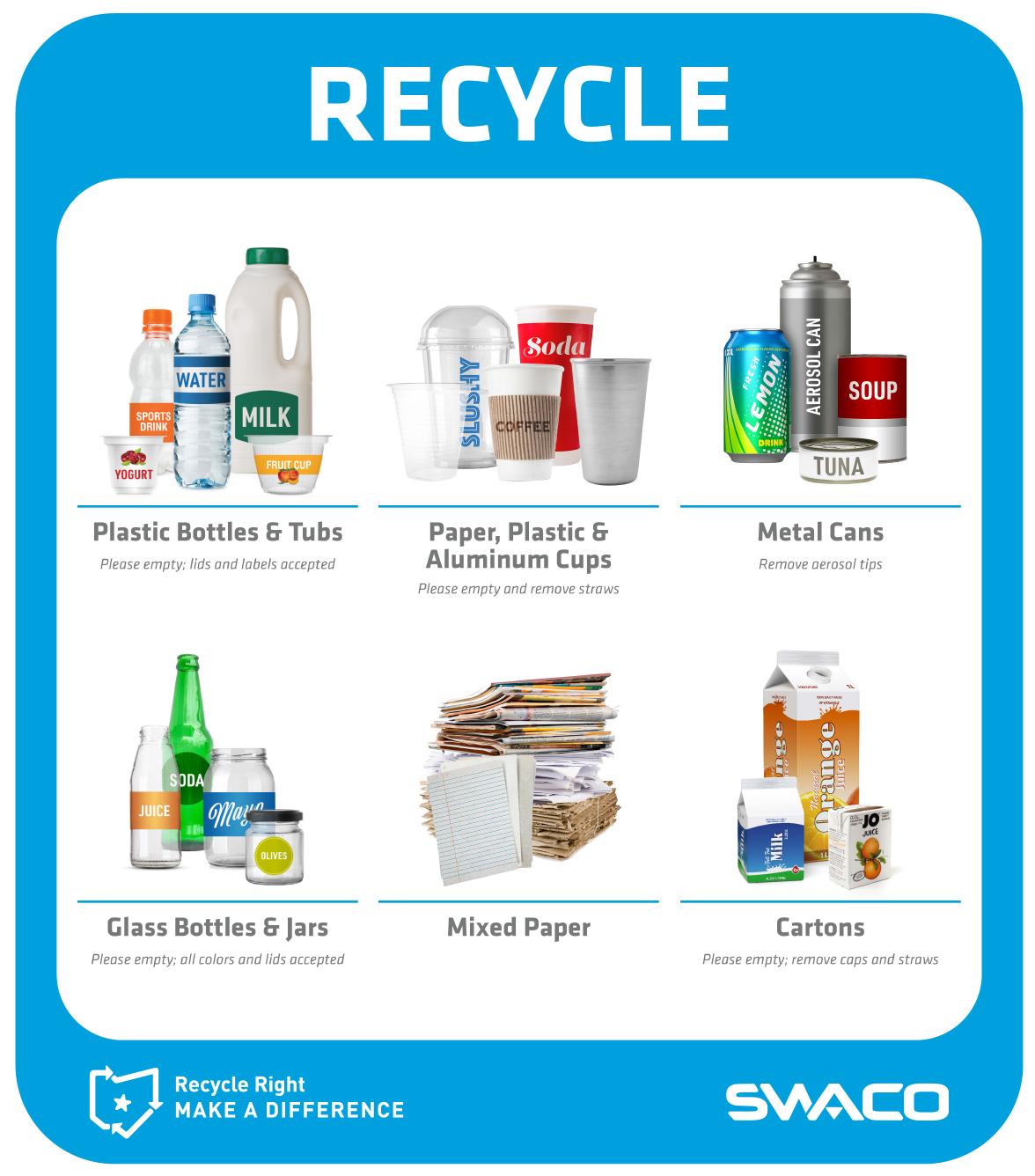
Curbside recycling almost never accepts bagged shredded paper. Instead, you must take it to specific locations designed for mixed paper or hard-to-recycle materials.
Use Mixed Paper Drop-Off Bins
Look for labeled bins at municipal parking lots and city halls. Schools, churches, and community centers often host collection bins. Public parks, such as those in Cleveland Metroparks, frequently have drop-off points. Shopping centers managed by companies like Integrity Fiber or Royal Oak Recycling also provide bins.
These bins are typically emptied directly into fiber recycling streams, bypassing standard sorting facilities.
Visit Waste Management Facilities
Many towns operate Drop-Off Stations or Transfer Stations that accept shredded paper along with other special items like batteries, textiles, and electronics. Check your local municipality website for hours and specific rules.
Some areas, like Onondaga County, New York, allow shredded paper in the regular trash because it goes to a Waste-to-Energy plant. In these cases, recycling is not the only eco-friendly option.
Attend Community Shred Events
Local governments, banks, or elected officials often host free shredding events. These are ideal for large volumes of sensitive documents, residents without access to drop-off sites, and those seeking certified destruction. Limits usually apply, such as two to five boxes per car, so bring only what you need.
Use Professional Shredding Services
For convenience or high-volume needs, commercial shredding services handle both destruction and recycling professionally.
Retail Store Options
Staples, OfficeMax, and UPS Store offer on-site shredding services. Costs typically range from $0.99 to $1.49 per pound, with minimum fees of $5 to $10. Volume limits usually allow up to 10 to 20 pounds per visit. These services guarantee recycling through industrial contracts.
Commercial Pickup Contracts
Businesses generating large quantities can contract directly with fiber recyclers like CNY Resource Recovery, SMR Fiber, or Recycle America. These services provide locked bins, scheduled pickups, and certificates of destruction essential for compliance with privacy laws.
Professional services eliminate disposal hassle and ensure proper recycling, making them cost-effective for ongoing business needs.
Compost Shredded Paper When Recycling Is Not Available
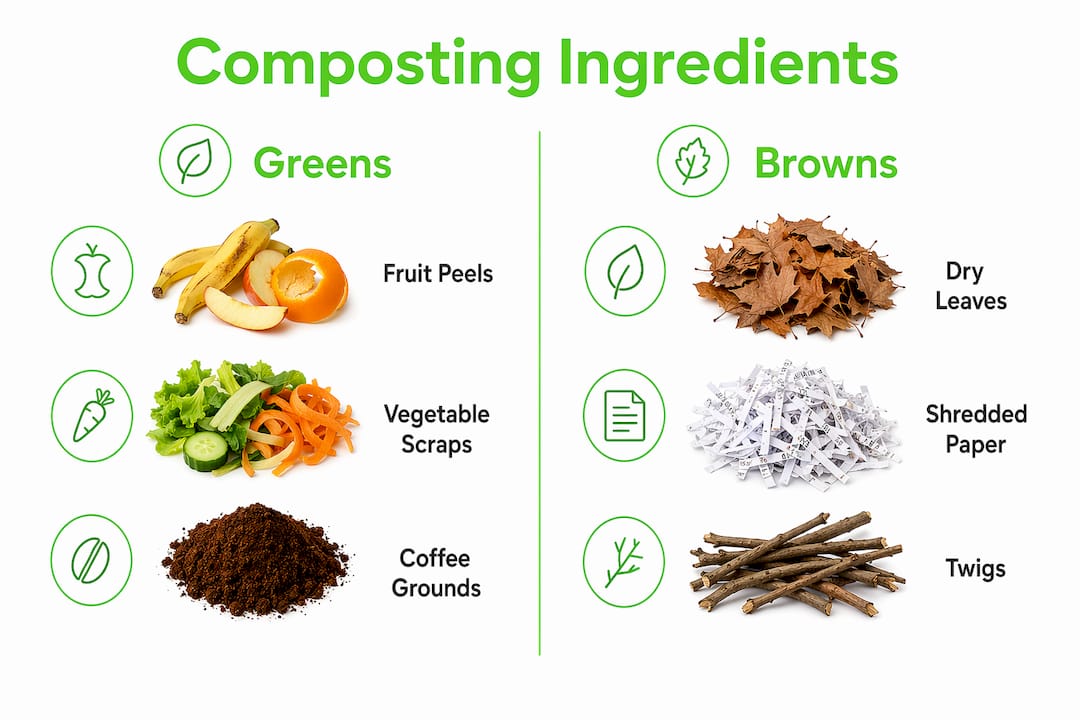
If drop-off locations are unavailable or too far, home composting offers a sustainable alternative, provided certain criteria are met.
Choose the Right Paper
Only compost plain white office paper, newspaper, and non-glossy mail. Never compost colored or glossy paper because toxic dyes can harm the compost ecosystem. Avoid wax-coated or laminated paper, and never compost thermal receipts, which contain BPA.
Balance Your Compost Pile
Shredded paper is a brown material high in carbon. To prevent a dry, slow-decomposing pile, mix with greens such as vegetable scraps, coffee grounds, or fresh grass clippings. Aim for a 30-to-1 carbon-to-nitrogen ratio, and moisten paper before adding to avoid clumping.
Pro Tip: Shreds break down faster than whole paper, improving aeration and moisture retention in compost.
Reduce Shredding at the Source

The most effective way to manage shredded paper is to create less of it. Minimizing shredding preserves fiber quality and simplifies disposal.
Shred Only What Is Necessary
Instead of destroying entire documents, cut out only the sensitive section containing your name, address, or account number. Recycle the rest as whole paper. This method maintains fiber length, allowing for higher-grade recycling.
Black Out Instead of Shred
For low-risk documents, use a permanent marker to black out personal information. Recycle the full sheet normally. This approach retains 100% recyclability and saves time and energy.
Stop Junk Mail Before It Arrives
Less mail means less shredding. Register with the DMA Mail Preference Service online for $2 to remove your name from national mailing lists for five years. Use Catalog Choice or the PaperKarma app to opt out of specific senders digitally. These services do not stop transactional mail from banks or utilities, but they significantly reduce bulk advertising.
Go Digital with Receipts
Thermal paper receipts contain BPA and should never be recycled or composted. Decline receipts when possible, and choose digital versions via email or apps.
Know Your Local Rules
Recycling guidelines vary drastically by region. Always verify with your local provider before disposing.
| Location | Container Required | Drop-Off or Curbside | Special Notes |
|---|---|---|---|
| Ann Arbor, MI | Sealed paper bag | Drop-off only | Composting encouraged |
| Rumpke (OH, IN, KY) | Clear plastic bag | Mixed paper bins | Only clear plastic allowed |
| San Jose, CA | Tied clear bag | Curbside if bagged | Must be stapled or knotted |
| Cuyahoga, OH | Paper or clear bag | School/park bins | Bins hauled to fiber plants |
| Onondaga, NY | None (trash OK) | Transfer station or trash | Goes to Waste-to-Energy plant |
Warning: Facilities close and rules change frequently. For example, Royal Oak Recycling bins are being removed from some locations as of 2026. Always check your city official waste website before heading to a drop-off site.
Avoid Common Mistakes
Even with good intentions, common errors lead to rejection or contamination.
Never use opaque plastic bags because facilities cannot see inside black or colored bags, and they will be treated as contamination. Never put loose shreds in curbside bins because they scatter during collection and sorting and are almost never recovered. Never mix in non-paper items because staples in small numbers are usually acceptable, but plastic windows, binders, or receipts will get the entire batch rejected. Never let paper get wet because damp or moldy shreds are considered contaminated.
Understand the Recycling Challenges
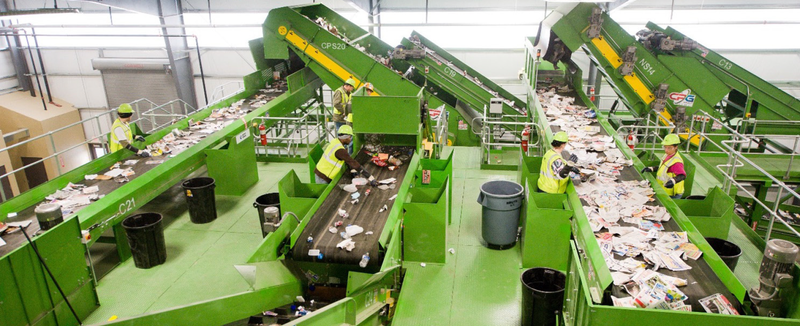
Knowing why shredded paper is problematic helps reinforce proper handling habits.
Shreds Fall Through Sorting Screens
MRFs use screens sized to separate paper from containers. Shreds smaller than 3.5 by 2 inches, about the size of a business card, fall through gaps and end up on the facility floor, swept into trash.
Shreds Contaminate Glass Batches
Airborne paper fibers mix with glass cullet, making it unmarketable. One bag of loose shreds can ruin an entire load of glass.
Fiber Length Is Already Short
Each recycling cycle shortens paper fibers. Shredding cuts fibers prematurely, limiting reuse to low-grade products like tissue paper or egg cartons. Microscopic analysis shows shredding reduces fiber length by over 90%.
Final Checklist for Recycling Shredded Paper
Follow this action plan to ensure your shredded paper gets recycled properly.
Assess whether you really need to shred. Can you black out or cut out only the sensitive part instead.
Contain the shreds using a clear plastic bag or sealed paper bag. Seal the bag by tying, stapling, or taping it shut so no shreds can escape.
Check contents to ensure only plain, dry, non-glossy paper is included. Remove any receipts, plastic, or food stains.
Locate a drop-off site by finding a Mixed Paper Bin or Waste Facility. Do not use curbside collection unless local rules explicitly allow it.
Drop off the sealed bag at the correct location. If no drop-off exists, compost suitable paper or place the sealed bag in regular trash.
Frequently Asked Questions About Recycling Shredded Paper
Can I put shredded paper in my curbside recycling bin?
No, most curbside recycling programs do not accept shredded paper, even when bagged. Loose shreds fall through sorting machinery and contaminate other streams. You must use designated drop-off locations or check if your local program has specific exceptions.
Why do I need to use a clear bag for shredded paper?
Clear bags allow workers and optical sorters to verify the contents are purely paper. Opaque bags cannot be inspected, so facilities reject them as potential contamination risks. This is the only situation where plastic bags are accepted in recycling.
Can I compost shredded paper at home?
Yes, shredded paper works well as a brown material in home composting. Use plain white office paper, newspaper, or non-glossy mail. Avoid colored paper, glossy materials, and thermal receipts. Mix with greens to maintain proper carbon-to-nitrogen balance.
What happens to shredded paper that is not recycled properly?
When improperly contained shredded paper reaches recycling facilities, it falls through sorting screens or contaminates glass batches. The material is swept up with general trash and sent to landfill. Properly bagged shreds that cannot be recycled can be placed in regular trash for Waste-to-Energy processing in some regions.
Are there alternatives to shredding documents?
Yes, several alternatives exist. You can cut out only the sensitive section containing personal information and recycle the rest as whole paper. You can use a permanent marker to black out information, allowing the entire sheet to be recycled normally. Going digital with receipts and opting out of junk mail reduces the volume of paper needing disposal.
How do I find local drop-off locations for shredded paper?
Check your city or county waste management website for designated drop-off sites. Look for mixed paper bins at municipal buildings, schools, churches, and public parks. Community shred events, often hosted by local governments or banks, also provide disposal options.
Key Takeaways for Recycling Shredded Paper
Recycling shredded paper requires a shift from toss and forget to contain and deliver. The process protects valuable fiber resources and prevents contamination in the broader recycling stream.
Always contain shredded paper in clear plastic bags or sealed paper bags before transport. Never place loose shreds in curbside bins. Use designated drop-off locations, municipal waste facilities, or community shred events. Reduce shredding by blacking out information or cutting out only sensitive sections. Check your local guidelines, as rules vary significantly by region.
Every properly recycled bag keeps tons of fiber out of landfills and supports a cleaner, more efficient recycling stream. When in doubt, contact your waste provider directly for the most accurate guidance.