
Tossing old bills, expired forms, or sensitive reports into the trash might seem harmless until you realize that criminals can pull them out and steal your identity. A paper shredder transforms this risk into peace of mind by turning confidential documents into unreadable fragments. More than just a security tool, it is a smart investment for homes and offices alike. From blocking identity theft to cutting clutter and even saving money over time, the benefits of shredding go far beyond simple disposal.
This guide explores the full range of paper shredder advantages, from cybersecurity to psychological relief. You will learn how different shredding methods impact security, why regulations demand proper document destruction, and how choosing the right model can save time and money. We will also cover real-world risks of improper disposal, maintenance tips, and smart usage strategies to maximize your shredder is value.
Boost Data Security Instantly
Shredding provides your first line of defense against information theft. Without proper destruction, sensitive documents sitting in trash bins become easy targets for criminals searching through household or office waste.
Prevent Identity Theft Effectively
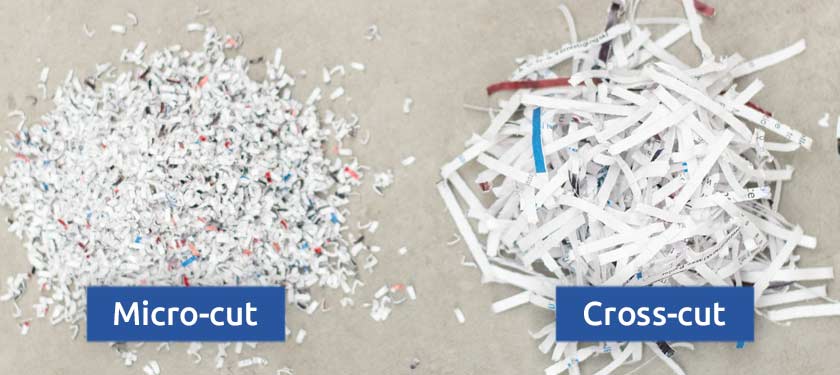
Thieves often search through trash to find bank statements, Social Security numbers, or credit card offers. With just a few pieces of personal data, they can open fraudulent accounts or file fake tax returns. A paper shredder eliminates this threat by slicing documents into tiny, unrecognizable bits. Strip-cut models create long ribbons, but cross-cut and micro-cut shredders produce confetti-like particles that are nearly impossible to reconstruct.
Stop Unauthorized Information Access
Beyond personal identity theft, businesses face serious risks if internal documents fall into the wrong hands. Leaked financial reports, employee records, or client contracts can damage reputations and trigger legal action. Shredding ensures that only authorized personnel access sensitive data. Healthcare providers must destroy patient files securely under HIPAA, while financial firms follow GLBA rules.
Meet Legal Compliance Requirements
Many industries are legally mandated to protect personal and financial data. Shredding is a primary method for complying with these regulations and avoiding heavy fines or legal consequences.
Follow HIPAA and GDPR Rules
Healthcare organizations must comply with HIPAA, which mandates secure disposal of protected health information. Simply crumpling or tearing documents is not enough. Official guidelines require shredding, burning, or pulping. Similarly, the EU is GDPR holds companies accountable for protecting personal data throughout its lifecycle, including disposal. Failing to shred properly can lead to fines exceeding 20 million euros or 4% of global revenue.
Satisfy FACTA and Financial Regulations
The Fair and Accurate Credit Transactions Act requires businesses to dispose of consumer information securely. This includes credit applications, account statements, and transaction records. Noncompliance can result in lawsuits and regulatory fines. A cross-cut or micro-cut shredder meeting DIN 66399 P-3 or higher standards fulfills these legal obligations and protects your organization from liability.
Save Money Long-Term
Investing in a paper shredder offers significant long-term financial benefits compared to outsourcing document destruction services.
Cut Outsourcing Costs
Hiring a professional shredding service may cost $300 to $1,000 or more annually for small businesses. While convenient, this adds up over time. A mid-range office shredder costs between $100 and $300 upfront and pays for itself within a year. You gain full control over timing and volume without scheduling pickups or waiting for mobile trucks.
Avoid Data Breach Expenses
A single data breach caused by improper document disposal can cost tens of thousands in legal fees, settlements, and lost business. According to IBM, the average cost of a data breach in 2023 exceeded $4 million. While digital threats dominate headlines, physical breaches via unshredded paper remain a real risk. Investing in a quality shredder reduces this exposure.
Organize Workspaces Efficiently
Accumulated paper waste creates clutter that hinders productivity. A paper shredder helps maintain a clean, tidy environment by efficiently processing large volumes of unnecessary paperwork.
Reduce Paper Clutter Fast
Piles of outdated invoices, expired contracts, and old memos clutter desks and clog filing cabinets. This disorganization slows down workflows and makes it harder to find important documents. A shredder streamlines cleanup by allowing quick disposal of unnecessary paperwork. Spend 10 minutes daily shredding non-essential items and watch your workspace transform.
Maximize Storage Space
Shredded paper occupies up to 80% less volume than intact sheets. That means recycling bins last longer, storage rooms stay uncluttered, and offsite document storage costs drop. For businesses with years of accumulated records, running a heavy-duty shredder for a few hours can eliminate months worth of backlog.
Support Environmental Sustainability
Shredding supports sustainable waste management practices by reducing volume and enabling easier recycling.
Enable Easier Recycling
Shredded paper breaks down faster in recycling processes. Its smaller size allows compact baling and efficient pulping at recycling plants. Many municipalities accept shredded paper, though it should be bagged or boxed to prevent litter. By reducing bulk and improving recyclability, shredding supports sustainable waste management.
Repurpose Shredded Paper Creatively
Do not just recycle. Shredded paper serves as excellent packing material, replacing plastic bubble wrap or Styrofoam peanuts. It is also ideal for composting, acting as a carbon-rich brown layer. Gardeners use it as mulch to retain moisture and suppress weeds. Some companies convert shredded newsprint into spray-on insulation when mixed with flame retardants.
Improve Mental Clarity and Focus
An often-overlooked benefit is the psychological effect of using a shredder. Many users find the process therapeutic.
Gain Psychological Stress Relief
There is something deeply satisfying about feeding stacks of old bills or expired notices into a shredder. The rhythmic hum and visible destruction create a meditative effect. Studies suggest that decluttering physical spaces reduces anxiety and improves mood. Shredding provides a tangible way to let go of financial stress, past obligations, or bureaucratic overload.
Achieve Peace of Mind Visually
Unlike off-site shredding services, where you never see the destruction happen, owning a shredder gives instant visual confirmation. Watching sensitive documents vanish into tiny pieces offers a powerful sense of control and security. No guesswork, no trust issues. Just real-time proof that your private data is truly gone.
Choose the Right Shredding Level

Not all shredders offer the same protection. Understanding security ratings helps you select the right model for your needs.
Understand DIN Security Ratings
The DIN 66399 standard defines seven security levels based on particle size and shape. P-1 is for general internal documents, while P-7 is for top-secret government data. Most homes and offices need P-3 or P-4, which require cross-cut or micro-cut technology. Always match your shredder is rating to the sensitivity of your documents.
Compare Strip-Cut vs Cross-Cut
Strip-cut shredders are cheaper and handle more sheets at once, but they are easy to reconstruct. Cross-cut models slice paper diagonally in two directions, producing small diamond-shaped pieces that resist reassembly. For any confidential data, cross-cut is the minimum recommended choice. Micro-cut offers military-grade security with particles smaller than a postage stamp.
Maintain Performance and Safety
Proper maintenance extends your shredder is lifespan and ensures safe operation.
Lubricate Blades Regularly
Paper dust builds up on blades over time, reducing cutting efficiency and increasing motor strain. Most manufacturers recommend oiling the cutting assembly every 15 to 30 minutes of continuous use or after each bin emptying. Use only shredder-specific lubricating sheets or oils. Never use household products like WD-40, which can damage components.
Prevent Overheating and Jams
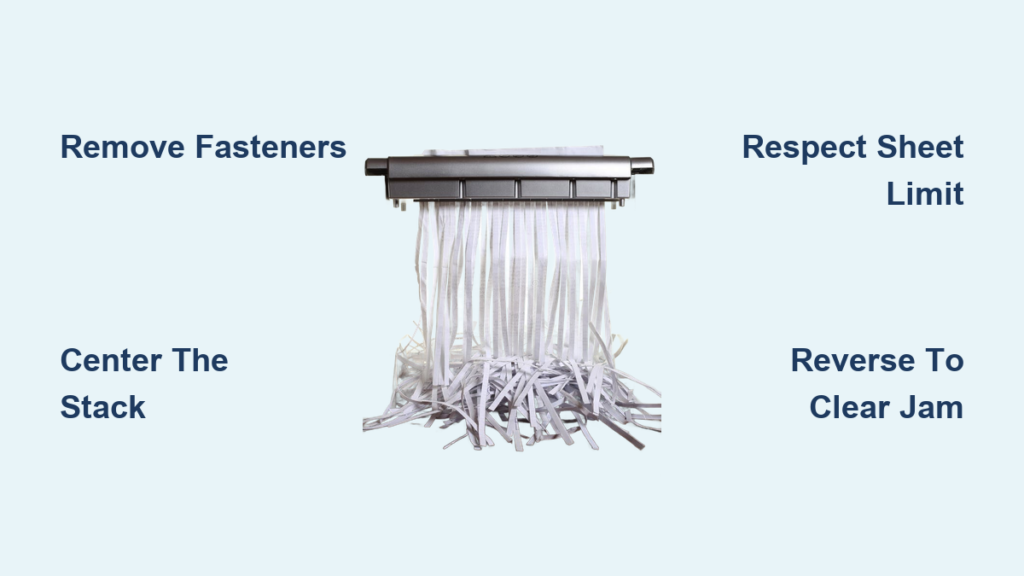
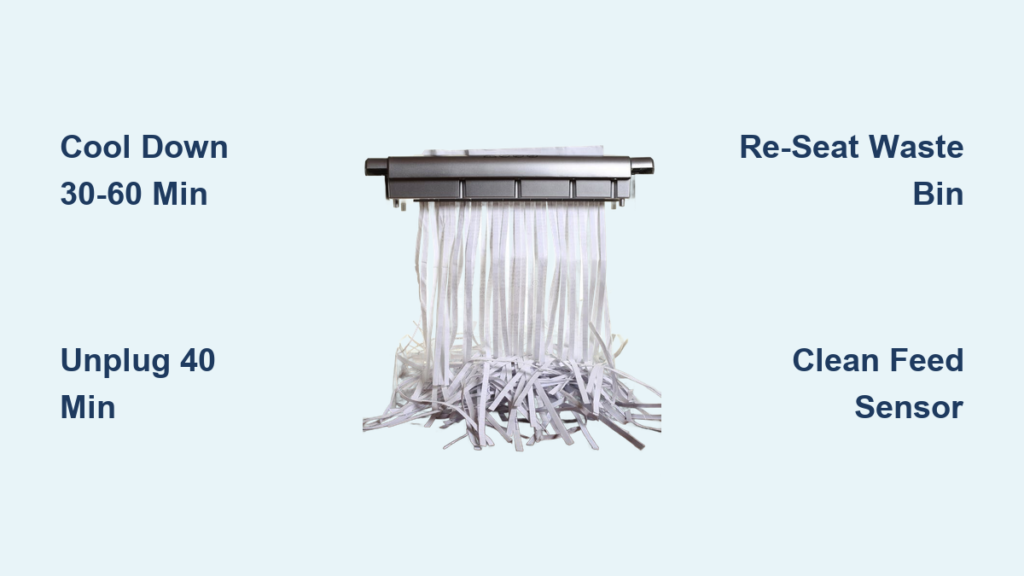
Shredders have built-in cool-down periods to protect motors from overheating. High-performance models may run 5 to 10 minutes before requiring a 30 to 60 minute rest. Exceeding sheet capacity causes jams. If a jam occurs, use the reverse function first, then manually clear only after unplugging the device. Look for models with auto-reverse and overload sensors.
Select the Best Model for Your Needs

Choosing the right shredder depends on your specific usage requirements and workspace constraints.
Match Capacity to Usage
Home users typically need a desktop shredder with 8 to 12 sheet capacity and a 4 to 6 gallon bin. Small offices benefit from 12 to 16 sheet models with 8 plus gallon bins and casters for mobility. High-volume environments like law firms or medical offices should consider cross-cut or micro-cut machines rated for continuous use.
Prioritize Noise and Convenience
In shared spaces, noise matters. Many modern shredders operate under 58dB, quieter than a normal conversation. Look for whisper-cut technology if using the device in open offices. Additional features like auto-start, wheels, and credit card or CD slots add convenience. Some even shred staples and paper clips.
Extend Benefits Beyond Paper
Many office shredders handle more than paper, providing comprehensive media destruction capabilities.
Destroy Digital Media Securely
Specially designed slots let you destroy expired credit cards, CDs, DVDs, and even USB drives. For ultimate digital security, dedicated hard drive shredders physically crush or slice storage devices to meet NSA/CSS and NIST standards. These are essential for IT departments retiring old computers containing sensitive data.
Support Industrial Recycling Efforts
Large-scale shredders process not just paper but plastics, metals, and e-waste. While different in design from desktop units, they follow the same principle. Reducing material volume for recycling supports circular economy goals and reduces landfill dependency.
Build Smart Document Habits
Maximizing shredder benefits requires developing good document management practices.
Digitize Before You Shred
The most effective way to reduce paper is to stop creating it unnecessarily. Scan important documents and store them securely in encrypted cloud or local drives. Use digital signatures and online bill pay to minimize incoming paper. Once digitized, shred the originals immediately. This two-step process ensures long-term accessibility and short-term security.
Adopt a 24-Hour Disposal Rule
Delaying document destruction leads to clutter. Implement a simple rule. If a document is not needed within 24 hours, shred it immediately. This applies to drafts, printouts, delivery receipts, and expired notices. Making shredding a daily habit prevents backlog and keeps your space consistently organized.
Frequently Asked Questions About Paper Shredder Advantages and Benefits
What is the most important benefit of owning a paper shredder?
The most critical benefit is preventing identity theft and data breaches. Shredding transforms sensitive documents into unreadable pieces, making it nearly impossible for criminals to reconstruct personal information from discarded papers.
How do paper shredders help with legal compliance?
Paper shredders help organizations comply with regulations like HIPAA, GDPR, FACTA, and GLBA. These laws require secure disposal of personal and financial data. Using a certified shredder demonstrates due diligence and helps avoid costly fines during audits.
Are paper shredders cost-effective compared to hiring shredding services?
Yes. Professional shredding services cost $300 to $1,000 or more annually. A quality office shredder costs $100 to $300 upfront and pays for itself within a year. Ownership eliminates ongoing service fees and gives you immediate access to document destruction.
What security level do most homes and offices need?
Most homes and small offices need P-3 or P-4 security level shredders, which use cross-cut or micro-cut technology. P-1 and P-2 strip-cut models are easier to reconstruct and should only be used for non-sensitive documents.
Can shredded paper be recycled?
Yes. Shredded paper breaks down faster in recycling processes and is widely accepted by municipal recycling programs. It should be bagged or boxed to prevent litter. Shredded paper can also be repurposed as packing material, compost, or mulch.
Key Takeaways for Maximizing Paper Shredder Benefits
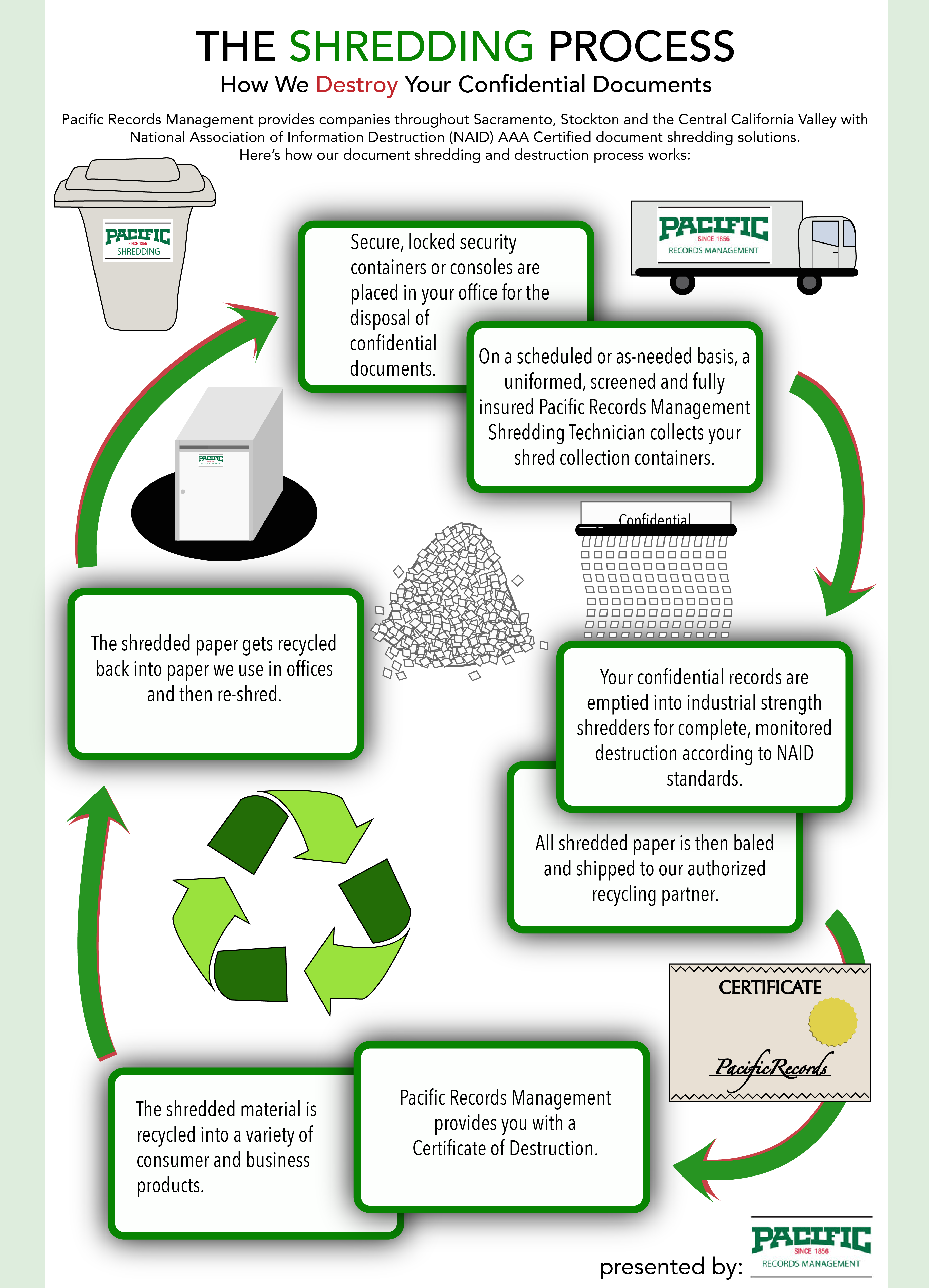
A paper shredder is more than a disposal tool. It is a cornerstone of modern information security that protects your privacy, ensures legal compliance, and supports environmental sustainability. The key advantages include preventing identity theft, meeting regulatory requirements like HIPAA and GDPR, saving money compared to outsourcing, and reducing workspace clutter. Choosing the right security level, typically P-3 or higher cross-cut models, ensures your sensitive documents cannot be reconstructed. Regular maintenance, including blade lubrication and avoiding overload, extends your shredder is lifespan and prevents jams. By combining shredding with digital archiving and adopting a 24-hour disposal rule, you create a comprehensive document management strategy that protects what matters most.