
If you’ve ever stared at a growing pile of old tax returns, bank statements, and outdated electronics, you’re not alone. Millions of Americans need a trustworthy way to destroy sensitive documents and recycle old tech without harming the planet. Staples paper shredder recycling offers a practical solution that combines data security with environmental responsibility, all at one of nearly 970 U.S. store locations.
This guide breaks down everything you need to know: what you can drop off, what stays home, how the secure shredding process works, what it costs, and how to earn rewards while you declutter. Whether you’re a homeowner clearing a filing cabinet or a small business managing confidential client records, you’ll find actionable steps to recycle with confidence.
How Staples Secure Shredding Works
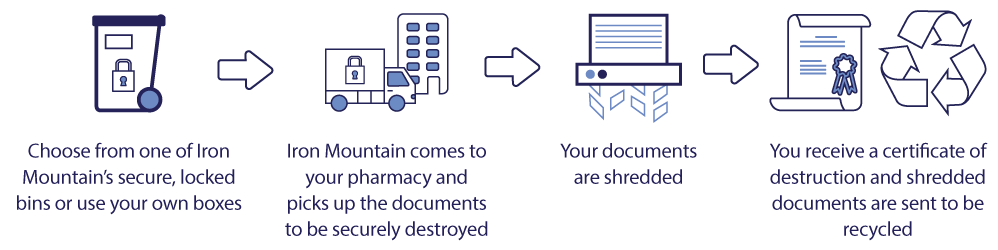
Staples doesn’t shred your documents in the store. Instead, the company partners with Iron Mountain®, a global leader in information management, to handle every step of the destruction process. Your papers travel from the drop-off bin to a certified facility where they’re professionally destroyed and recycled.
The Chain of Custody Process
When you bring documents to a participating Staples location, they enter a monitored system designed to protect your information:
- Materials are sealed in secure containers or boxes at the store
- Locked transport vehicles carry them to Iron Mountain’s plants
- Industrial-grade shredders physically destroy the paper
- The resulting pulp is recycled into new paper products
This rigorous chain helps both individuals and businesses stay compliant with privacy regulations like HIPAA and FACTA.
Residential vs. Business Shredding Options
Both homeowners and companies can use Staples shredding, but the services differ based on volume and needs:
| Feature | Residential | Business (Staples Business Advantage) |
|---|---|---|
| Drop-off | Yes | Yes |
| Scheduled Pickup | No | Yes |
| Mail-Back Labels | No | Yes |
| Zero-Waste Box Programs | No | Yes |
| Volume Capacity | Limited | Customizable |
Business clients receive dedicated support, compliance reporting, and recurring service plans tailored to their document volume.
Accepted Materials for Recycling
Staples accepts a wide range of office and electronic waste, making it a one-stop destination for responsible disposal during a cleanout.
Paper and Documents
You can bring in old bills, envelopes, bank statements, confidential files, tax records, contracts, and general mixed paper waste. The service handles standard office paper, glossy sheets, colored paper, and carbonless copy forms.
Electronics and Devices
Staples recycles nearly all consumer electronics at no charge. Accepted items include:
- Computers: Laptops, desktops, tablets, and e-readers
- Printers and imaging equipment: Inkjet, laser, all-in-one printers, and toner cartridges
- Phones and wearables: Smartphones, smartwatches, and fitness trackers
- Audio and video: TVs (size limits may apply), monitors, speakers, and receivers
- Gaming gear: Consoles, controllers, and video games
- Storage media: External hard drives, USB drives, CDs, DVDs, and Blu-ray discs
No purchase is required to drop off these items.
Batteries and Writing Tools
Staples now accepts small batteries and writing instruments to close common waste loops. Accepted batteries include AA, AAA, C, D, 9V, button cells, and rechargeable types from laptops, phones, and tools. Writing utensils like pens, markers, and crayons are also welcome.
What Not to Bring
Certain items pose safety hazards or fall outside Staples’ processing capabilities. Knowing what to leave at home saves you a wasted trip.
Hazardous and Restricted Items
Do not bring smoke detectors, medical devices, fluorescent light bulbs, cracked CRT monitors (which contain lead), large appliances like refrigerators or dishwashers, floor-model printers or copiers, or damaged devices such as laptops with swollen batteries. Store associates may refuse any item that presents a fire, chemical, or physical risk.
Large or Commercial Equipment
While Staples supports small business recycling, it does not accept large servers, networking racks, industrial kitchen electronics, or heavy speaker systems. Businesses with high-volume needs should contact Staples Business Advantage for custom solutions.
Drop-Off Process Made Simple
Recycling at Staples takes just minutes and follows a clear four-step flow that requires no appointment.
Step-by-Step Recycling Guide
- Locate a store using the Staples store locator to find a nearby location with a recycling station.
- Prepare your items by removing personal data from electronics, factory-resetting phones, wiping drives, and boxing any broken monitors or fragile devices.
- Drop off at the store by bringing items to the recycling bin near customer service or handing them to an associate.
- Get rewarded with coupons or Easy Rewards points, especially during promotional periods.
No appointment, receipt, or purchase is needed.
Quantity Limits Explained
Staples enforces a limit of seven items per customer per day for electronics and other recyclables. Paper for shredding operates under different volume rules, particularly for business accounts. If you exceed the limit, call ahead. Some stores make exceptions based on current capacity.
Recycling Rewards and Incentives
Staples turns eco-friendly habits into tangible benefits through its Easy Rewards program and seasonal promotions.
Earn Points During Earth Month
Each April, Staples runs special recycling campaigns that boost your rewards:
- April 7 to May 5: Earn 1,000 reward points plus a $10 coupon on a $30 purchase
- Earth Day Week (April 21 to 27): Earn 2,000 reward points for recycling
These offers stack with other promotions and never expire.
Standard Thank-You Coupons
Outside Earth Month, many stores offer a $5 to $10 coupon for in-store recycling or bonus points for toner cartridge returns. Availability varies by location, but rewards are common.
Trade In for Gift Cards
Beyond free recycling, Staples runs a tech trade-in program. You can sell old laptops, phones, and tablets for Staples gift cards, with value based on condition and model. Payout happens instantly upon approval.
Electronics Recycling: Free and Easy
One of Staples’ standout offerings is free consumer electronics recycling, with no fees attached.
Why It’s Free
Staples covers processing costs as part of its corporate sustainability commitment. The goal is keeping e-waste out of landfills while recovering valuable materials like gold, copper, and rare earth metals.
How E-Waste Is Processed
After drop-off, items travel to certified recyclers like ERI (Electronics Recyclers International). Devices are sorted, disassembled, and tested. Usable parts get refurbished or reused, while others are broken down. Metals, plastics, and glass are separated and recycled. Hazardous components like mercury in older screens are disposed of safely under EPA guidelines.
Paper Shredding Fees and Options
Unlike free electronics recycling, paper shredding services carry a fee. However, the security and convenience often justify the cost.
Pricing Based on Volume
Costs vary by method and quantity:
| Service Type | Typical Cost | Best For |
|---|---|---|
| Drop-Off (per box) | $5–$15 | Individuals, small batches |
| One-Time Pickup | $50–$150 | Offices clearing files |
| Recurring Service | $30–$100/month | Businesses with ongoing needs |
| Mail-Back Kits | $20–$40/kit | Remote workers, home offices |
Prices depend on region and volume. Contact Staples for a personalized quote.
Low-Fee Alternatives
Look for promotional shredding events that charge $1 to $3 per pound, bulk discounts for nonprofits or HOAs, and mail-back programs with pre-paid labels through the Iron Mountain partnership. Businesses save more with subscription plans that include locked consoles and scheduled pickups.
Environmental Impact and Goals
Staples isn’t just running a recycling program. The company is building a circular economy with measurable results.
Proven Results Since 2021
The numbers tell a compelling story:
- 8,000 tons of paper shredded and recycled
- 7,000 tons of tech hardware recycled
- 155,014 tons of CO₂e emissions avoided
- 452,000 tons of total material diverted from landfills
That impact equals taking more than 33,000 cars off the road annually.
2028 Sustainability Targets
Staples has set ambitious goals for the coming years:
- Reduce operational emissions by 35% (Scope 1 and 2)
- Divert 90% of warehouse waste to recycling
- Engage 70% of suppliers in science-based carbon reduction
Progress is tracked publicly, with a 26% emissions drop already achieved between 2021 and 2024.
Behind the Scenes: Processing Workflow
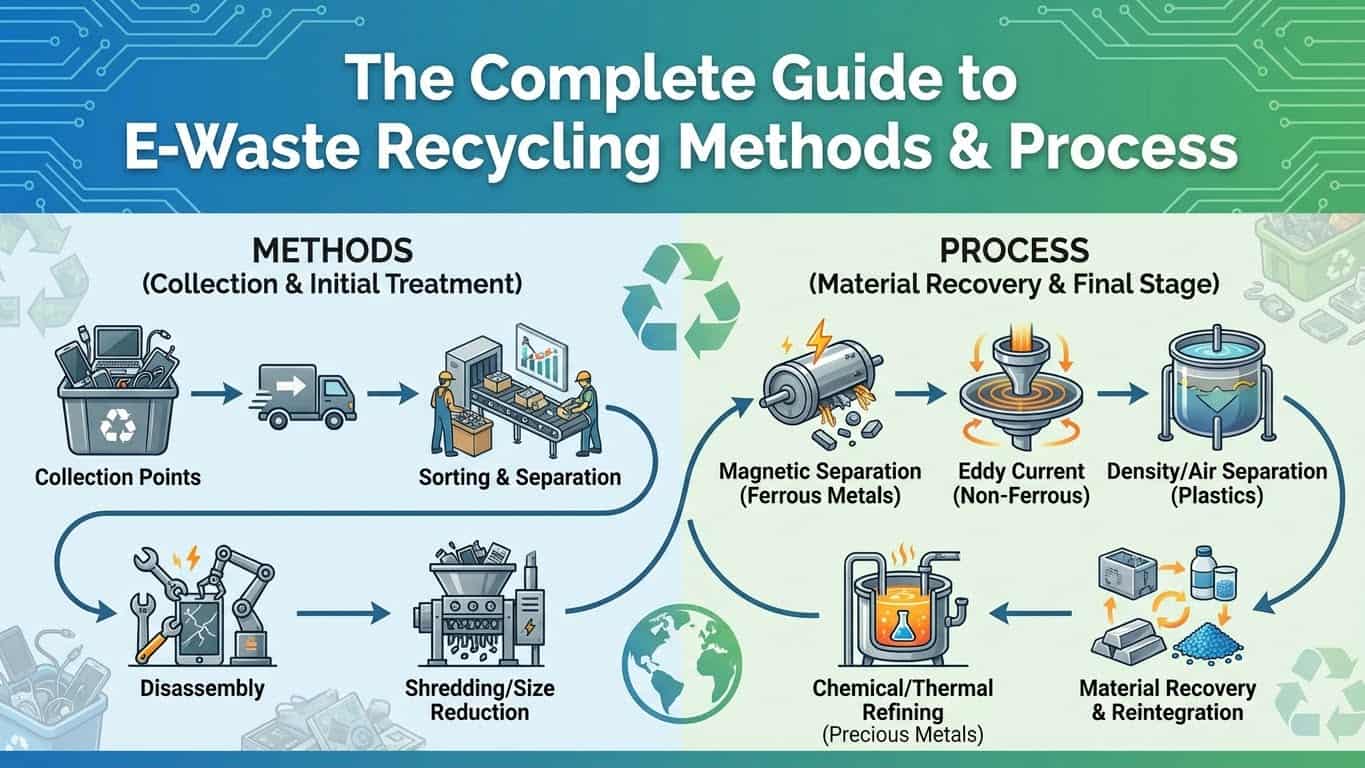
Ever wonder what happens after you drop off your items? Here’s the journey from bin to recycled material.
From Collection to Material Recovery
- Collection happens at stores or through business pickups.
- Transport sends items to regional sorting centers operated by partners like Iron Mountain (for paper) and ERI (for electronics).
- Sorting and disassembly separates paper for baling and electronics for manual dismantling, where screens, batteries, and circuit boards are removed.
- Material recovery turns paper into pulp for new products, extracts metals for manufacturers, and reprocesses plastics into pellets.
- Final disposal handles non-recyclable remnants under EPA guidelines.
Nothing valuable goes to waste.
Find a Recycling Location Near You
With 970 U.S. stores, chances are there’s a Staples near you.
Use the Online Locator
Visit Staples.com/recycling and enter your ZIP code to filter by services offered, including shredding, electronics, and batteries. You can also check real-time availability of bins or pickup slots. Most locations have drop bins open during store hours.
Call Ahead for Large Loads
If you’re bringing more than seven electronic items or several boxes of paper, call the store to confirm space. Ask about business pickup options and current promotions. Some stores may temporarily limit drop-offs due to capacity.
Maximize Your Recycling Experience
A little preparation goes a long way toward protecting your privacy and getting the most from your visit.
Prepare Devices Properly
Before dropping off electronics, back up your data, factory-reset all devices, remove SIM and SD cards, and unlink accounts from services like iCloud or Google. These steps protect your privacy and speed up processing.
Combine Shredding and Recycling
Bring paper and electronics together in one trip. Shred old financial documents, recycle the scanner that digitized them, and trade in the laptop used to manage those records. One visit, maximum impact.
Track Rewards Digitally
Use the Staples app to scan receipts and earn Easy Rewards, view available coupons, and set recycling reminders for Earth Day or tax season. Automate your green habits.
Corporate and Business Solutions
For offices, schools, and government agencies, Staples offers scalable sustainability programs.
Staples Business Advantage Services
Business clients gain access to:
- Zero-Waste Box Program: Pre-labeled bins for e-waste, batteries, and writing tools
- Driver Pickup: Scheduled collection for ink, toner, electronics, and paper
- Facilities Consulting: Expert guidance on zero-waste workflows
- Compliance Reporting: Certificates of recycling and data destruction
These services support companies pursuing LEED certification or ESG goals.
Custom Shredding Contracts
Businesses can arrange locked consoles in offices, monthly or quarterly pickups, and HIPAA/FERPA-compliant destruction certificates. Contracts integrate with existing waste management systems. Contact Staples Business Advantage for site assessments and quotes.
Frequently Asked Questions About Staples Paper Shredder Recycling
Is paper shredding at Staples free?
No, paper shredding services carry a fee that varies based on volume and method. Drop-off typically costs $5 to $15 per box, while pickup services range from $50 to $150. Electronics recycling, however, is free for consumers.
How many items can I drop off at one time?
Staples limits drop-offs to seven items per customer per day for electronics and other recyclables. Paper for shredding may operate under different volume rules, especially for business accounts. Call ahead if you have more than seven items.
What electronics does Staples not accept?
Staples does not accept smoke detectors, medical devices, fluorescent bulbs, cracked CRT monitors, large appliances, floor-model printers, or items with damaged or swollen batteries. Automotive and wet-cell batteries are also excluded.
Can businesses schedule regular shredding pickups?
Yes. Through Staples Business Advantage, companies can arrange scheduled pickups, recurring service plans, locked consoles, and compliance reporting. Custom contracts support high-volume document destruction needs.
Does Staples offer rewards for recycling?
Yes. The Easy Rewards program offers points and coupons throughout the year, with enhanced promotions during Earth Month in April. You can also trade in eligible electronics for Staples gift cards.
How do I find a Staples store that offers recycling?
Use the online store locator at Staples.com/recycling. Enter your ZIP code and filter by services like shredding, electronics, or batteries. Most of the 970 U.S. locations have drop bins available during store hours.
Key Takeaways for Responsible Recycling at Staples
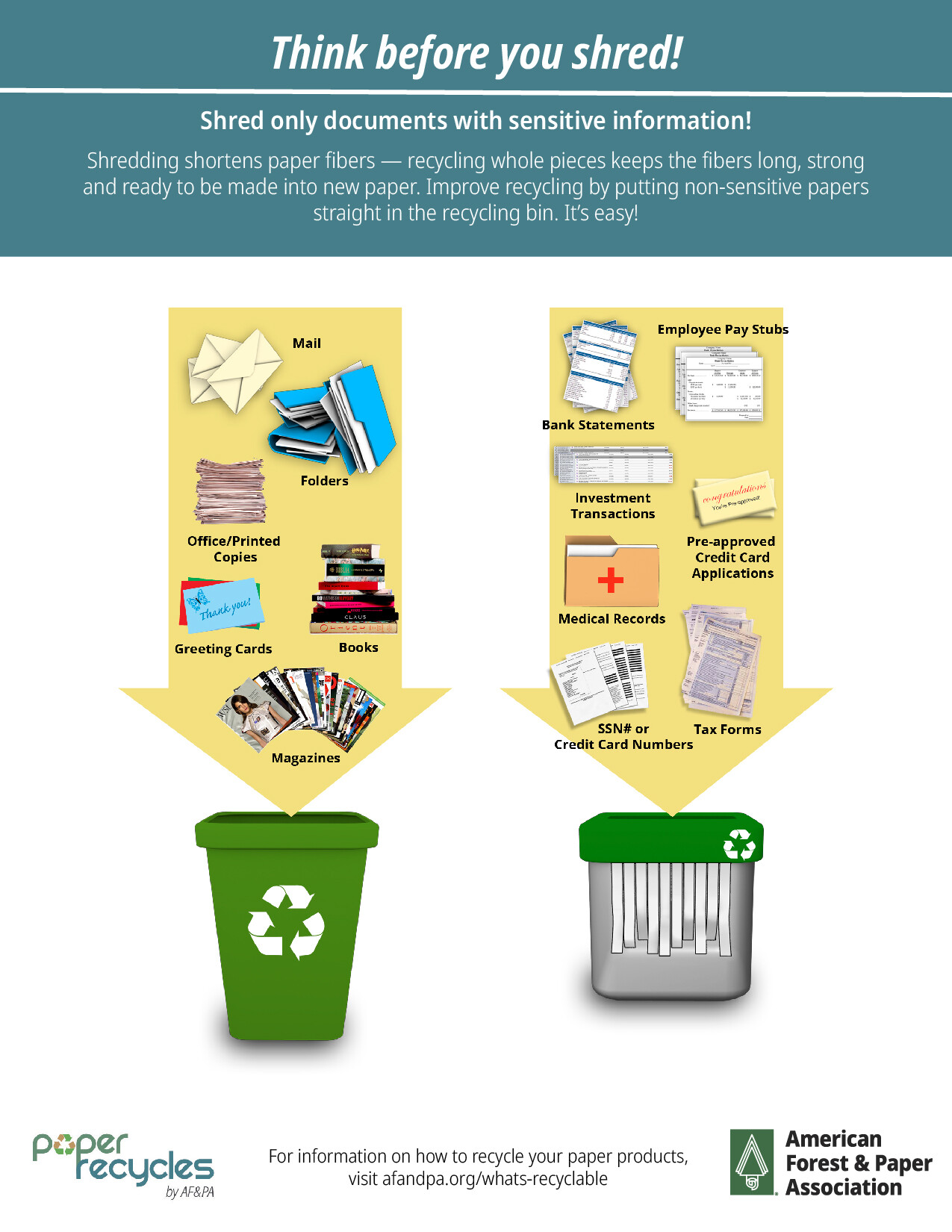
Staples paper shredder recycling delivers a rare combination of security, convenience, and sustainability. The Iron Mountain partnership ensures your confidential documents are destroyed under strict chain-of-custody protocols, while free electronics recycling helps divert millions of pounds of e-waste from landfills each year. With measurable environmental results, including 155,014 tons of CO₂e emissions avoided and 452,000 tons of material diverted since 2021, the program makes a genuine impact.
Your next step is simple: gather your old documents and outdated electronics, locate your nearest Staples, and drop them off during store hours. Prepare devices by wiping data and factory-resetting them. Check current promotions before you go, especially during Earth Month, to maximize your rewards. One trip handles your security concerns and your environmental footprint at the same time.